
Review · ARUSHA
Big Five Classic Safari in Tanzania **Sustainable Travel approach
Tanzania’s northern circuit packs an impressive amount of wildlife into seven days. This trip takes you from baobab country in Tarangire to the wide plains of the Serengeti, then into Ngorongoro Crater, one of the best places in East Africa to look for black rhino.
I like the small vehicle setup, where no more than six people ride together and everyone gets a window seat. I also like the useful mix of parks: Tarangire for elephants, Serengeti for predators and herds, Ngorongoro for concentrated wildlife, and Manyara for forest, birds, hippos, and possible tree-climbing lions.
The main consideration is the long driving. Several days involve about eight hours on the road, and the price does not include insurance, visas, tips, the Maasai village, or Olduvai Gorge. The safari is listed as sustainable, but specific conservation or community measures are not provided, so ask what that means before booking.
Key points to know before booking
- All four major northern parks are included: Tarangire, Serengeti, Ngorongoro Crater, and Lake Manyara.
- The vehicle holds a maximum of six people: You get a window seat and an open roof for game viewing.
- The Big Five are possible, not guaranteed: Lions, elephants, buffalo, leopards, and black rhinos are all found along the route.
- The longest days take about eight hours: Expect substantial road time between parks, especially on the Serengeti section.
- The price covers the main safari costs: Meals, park fees, airport transfers, bottled water, lodging, and an English-speaking guide are included.
- Extra costs need planning: International flights, a Tanzanian visa, insurance, gratuities, balloon flights, the Maasai village, and Olduvai Gorge are separate.
Why this seven-day route works
The appeal here is range. In one week, you see four very different parts of northern Tanzania rather than spending the whole trip in one park. You get dry-country baobabs, open grass plains, crater wildlife, Rift Valley scenery, forest, wetlands, and a large lake.
That variety matters because wildlife is not evenly spread through the year or across every park. Tarangire may give you elephants and birds near water. Serengeti may put you among large herds and predators. Ngorongoro offers a compact setting where many animals share one crater floor. Manyara changes the pace with trees, monkeys, hippos, and birdlife.
The route is also a practical introduction to a classic safari. You do not need specialist wildlife knowledge to enjoy it. Your guide handles park access and drives the vehicle while you watch for movement in the grass, scan rocky outcrops for cats, and keep your camera ready near water.
Still, this is not a leisurely resort holiday. An eight-hour safari day can include game viewing, rougher park roads, and long transfers. You should be comfortable sitting in a vehicle for much of the day and dealing with early starts, dust, changing weather, and basic camp or lodge routines.
More Big Five Safaris in Tanzania
- Big Five Luxury Safari in Tanzania
★ 5.0 · 68 reviews - 7-Day Midrange Tanzania Safari Adventures (Big 5)
★ 5.0 · 43 reviews - Arusha: 3-Day Serengeti & Ngorongoro Crater Big Five Safari
★ 4.6 · 20 reviews
The vehicle and group size
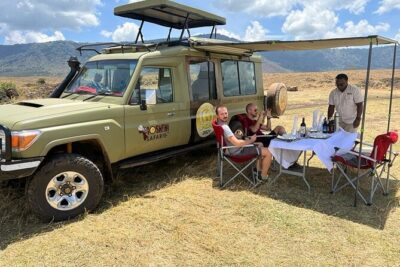
The custom-designed 4×4 has an open roof for game viewing. That gives you a better upward view of giraffes, birds, and animals on ridges, while also making photography easier than it would be through a closed side window.
The maximum of six people per vehicle is one of the strongest features. Everyone gets a window seat, so you are less likely to spend the best sighting looking over someone’s shoulder. This also gives the vehicle a more personal feel than a large coach-style safari.
The booking information says the whole activity can have up to 15 people, which suggests the wider group may be divided among vehicles. Confirm how vehicles are assigned if you are booking alone or with a larger party. The key figure for comfort is the number in your own 4×4.
Bottled water is provided in the safari vehicle. You should still bring sun protection, a hat that will not blow away, a light jacket, and clothes you can comfortably wear in dust and changing temperatures. The supplied information does not give a detailed packing list, so keep your luggage practical and compact.
Day 1: Airport arrival and the first night near Moshi
Your first transfer begins at Kilimanjaro International Airport. After customs, look for a driver holding a sign with your name. The ride to Moshi takes about 45 minutes.
The overnight stay is scheduled at Springlands Hotel or a similar property, with breakfast included. This first night is useful because it separates the international arrival from the long safari drive. You can collect your luggage, meet the local team, and rest before heading into the parks.
The airport pickup is included, as is the transfer back toward Kilimanjaro Airport at the end. International flights are not included, and you will need to arrange your own Tanzanian entry visa and travel or health insurance.
Day 2: Tarangire and its dependable river
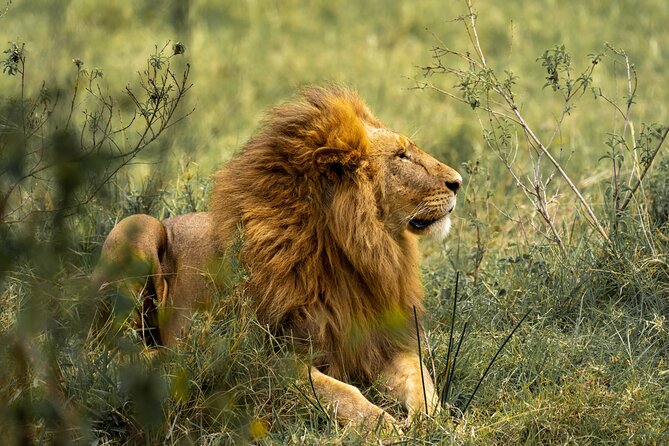
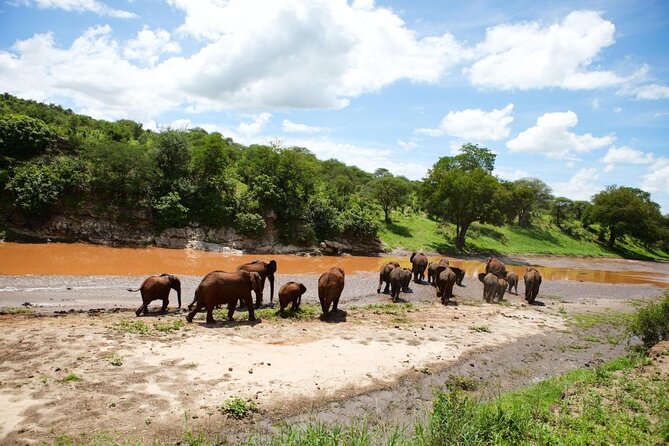
Tarangire is the first major wildlife stop, reached in the morning. The park is shaped by the Tarangire River, which does not dry up, making it an important water source during the dry season.
That dependable water helps explain why Tarangire can be so productive for wildlife viewing. You may see elephants, other mammals, and many birds near the river and surrounding wetlands. The park also has open grassland, hills, swamps, and striking baobab trees, so the scenery changes as you drive.
I like Tarangire as an opening park because it gives you a quick sense of how water controls life in a dry savanna. The baobabs also make it visually different from the broad plains you will see later.
The tradeoff is time. This is listed as about an eight-hour stop, and the day includes both travel and game viewing. You should not expect every hour to be spent watching animals. The value comes from combining the drive with the park experience rather than treating the transfer as wasted time.
More Big Five Safaris in Arusha:
- Big Five Game Reserve Wildlife Safari from Cape Town
★ 4.0 · 576 reviews - Big Five Safari and Breede River Valley Guided Day Trip
★ 5.0 · 526 reviews - From Johannesburg: Lion & Safari Park Half-Day Tour
★ 4.6 · 384 reviews - Hluhluwe-Imfolozi Park Full Day Big 5 Safari Tour
★ 5.0 · 310 reviews
Day 3: The road to Serengeti
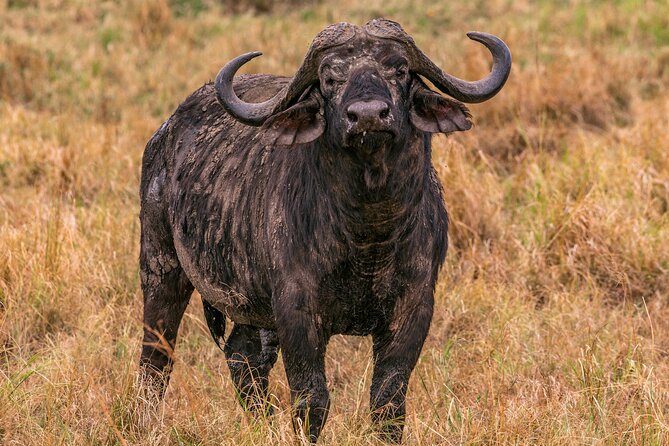
After breakfast, you head toward Serengeti National Park. The name comes from the Maasai language and refers to the endless plain, an apt description once the open grass country begins to spread around you.
This is another long day, listed at about eight hours. The route may include a Maasai village visit and Olduvai Gorge, but both are optional extras at your own cost. Olduvai is known for its archaeological importance and is often linked with the story of human origins in East Africa.
If you want either add-on, confirm the timing and price before departure. The main safari price does not cover them. Adding too many stops could also reduce the time available for the en-route game drive and arrival at camp.
The best part of this day is the transition. You move from Tarangire’s more varied vegetation into the huge spaces of the Serengeti. A game drive continues on the way to camp, so the wildlife viewing does not necessarily end when the road distance begins.
Day 4: A full day on the Serengeti plains
The fourth day is the heart of the safari. You have a full day of game drives in Serengeti National Park, one of East Africa’s best-known areas for large herds and predators.
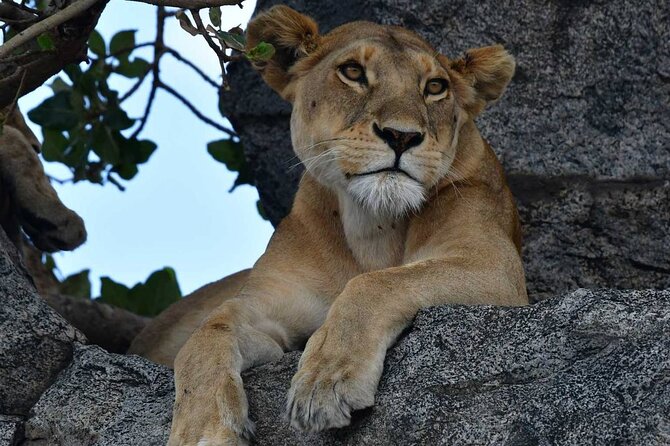
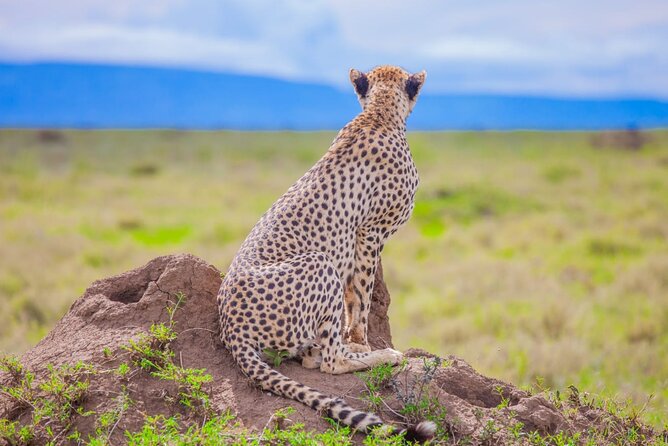
Wildebeest, zebra, and antelope are central to the Serengeti story. Where there are large numbers of grazing animals, predators often follow. Lions and cheetahs may be found among the rocky kopjes scattered across the plains, while leopards can be much harder to spot.
The park is not one uniform stretch of grass. The southern area has open plains, the center has acacia, the north becomes hillier and more wooded, and the west includes woodland and dark clay plains. That variety means the exact scenery and animals depend on where your camp and game drives fall.
The Great Wildebeest Migration is another major draw, but its timing and location change. Do not book this trip assuming you will automatically see a river crossing or a particular herd event. The Serengeti is worthwhile even without that spectacle, because its permanent wildlife and broad views are a reason to come in their own right.
A full day gives your guide more flexibility than a short stop. You can spend longer in promising areas instead of rushing through the park. It also means a long day in the vehicle, so bring patience and keep your expectations realistic. A safari is a search, not a parade of guaranteed sightings.
Day 5: Down into Ngorongoro Crater
On the fifth day, you take a morning game drive and continue to Ngorongoro Crater. The crater is about 600 meters deep, 16 kilometers across, and roughly 265 square kilometers in area.
The descent is one of the trip’s most memorable changes of setting. From the rim, the crater floor opens below you, with grassland, water, and concentrated wildlife. The enclosed setting makes it possible to see many different animals during one outing, although sightings still depend on conditions and luck.
Ngorongoro is one of the better places on this route to look for black rhino. The crater also supports lions, cheetahs, eland, zebra, and gazelle. At Makat Soda Lake, flamingos and other birds may be feeding, adding a welcome break from scanning for large mammals.
The crater’s concentration is both its strength and its limitation. You can see a great deal in a relatively compact area, but the experience may feel busier than a remote stretch of Serengeti. The tour information does not specify the number of vehicles or the exact lodge, so ask about the overnight property and the day’s schedule if crowd levels are important to you.
After the crater visit, you drive to your lodge for the night. The park entry fee is included here, as are the main safari costs. The day is still listed at about eight hours, so it is not a quick scenic stop.
Day 6: Lake Manyara under the Rift Valley escarpment
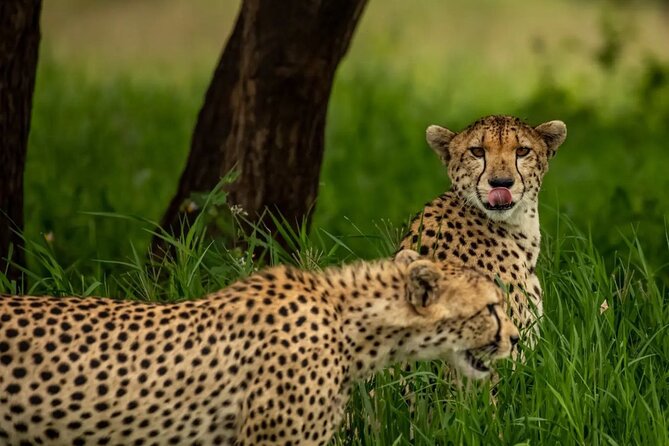
Lake Manyara brings a different kind of safari. The park sits beside the steep Rift Valley escarpment and includes groundwater forest, acacia woodland, grassy plains, wetlands, a swampy fan delta, and the lake itself.
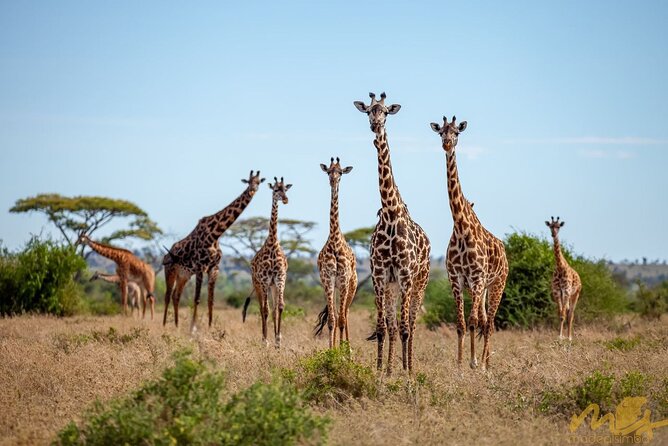
That mix creates good habitat for a broad range of animals. You might see buffalo, impala, giraffe, bushbuck, waterbuck, hippos, and elephants. Monkeys are part of the character here too, including blue monkeys, velvet monkeys, and active olive baboons.
Manyara is also associated with tree-climbing lions. The wording here matters: you may see them, but the behavior is never guaranteed. Keep your eyes in the trees as well as on the open ground.
This park is particularly useful after the open Serengeti because it changes the visual rhythm. The forest can feel enclosed, while the lake and wetlands open the view again. Birdwatchers should find the range of habitats appealing, though the exact species list is not promised.
The day is again planned for about eight hours. You may be tired by this point, especially after several long drives. Manyara is still a worthwhile final park because it offers wildlife and scenery that the other stops do not.
Day 7: A quiet morning before your flight
The last morning is set aside for leisure before transfer to Kilimanjaro Airport. The transfer takes about 45 minutes, according to the schedule.
This is a sensible ending after a demanding week. You are not asked to squeeze in another major park visit before your flight. Check the flight timing carefully, since the supplied plan gives the transfer duration but does not state a departure time or a detailed buffer for airport procedures.
Breakfast is listed for all seven days. Dinner and lunch are each listed five times, so do not assume every meal is covered in exactly the same way. Airport and hotel arrangements can affect the final day’s meal schedule.
What the $1,785 price really covers
At $1,785 per person, the cost is not just paying for park access. It includes airport transfers, accommodation, all park fees and taxes, meals, bottled water, a professional English-speaking guide, and transport in the safari vehicle.
That makes the price easier to assess than a bare tour rate. Park charges and long-distance transport can add up quickly on a Tanzania safari. The small vehicle, window seat arrangement, and four major park visits also add practical value.
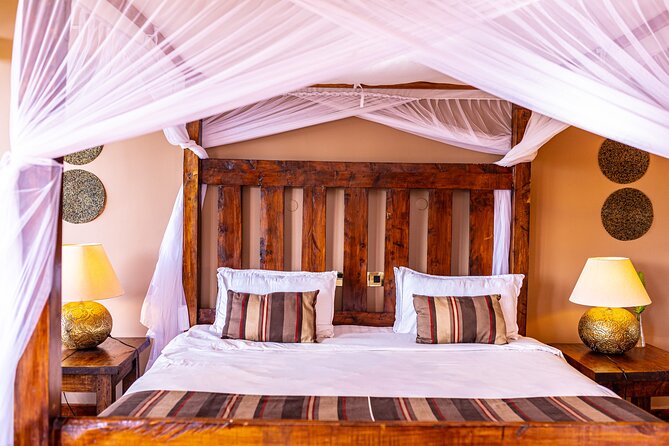
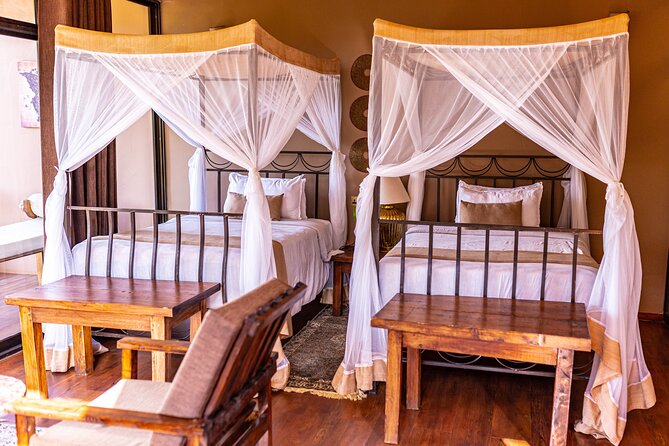
The word luxury needs a little care. The trip description calls this a luxury safari, but only Springlands Hotel is named, followed by or similar, and the other accommodations are not specified. Ask for the full lodge and camp list, room arrangements, and whether all properties meet your idea of luxury before paying.
You will need extra money for international flights, a Tanzania visa, travel and health insurance, tips for your guide and hotel staff, the Maasai village, Olduvai Gorge, and any balloon excursion. Build those costs into your budget rather than treating $1,785 as the final total.
The trip is listed as a sustainable travel experience, but no clear details are given about conservation funding, waste reduction, local employment, or community partnerships. If that matters to you, ask the operator for specific information. A label is less useful than a clear explanation of how your money supports the parks and nearby communities.
Who will enjoy this safari most
I would choose this trip if you want the classic northern Tanzania route in one week and prefer having the main costs arranged in advance. It suits first-time safari visitors who want a broad introduction rather than a single-park trip.
It also works well for photographers and wildlife watchers who value an open roof and a guaranteed window seat. The route gives you several habitats and repeated chances to look for the Big Five, with the best black rhino potential at Ngorongoro.
You should think twice if you dislike long drives or want a slow, lodge-centered holiday. The schedule is full, and multiple days run about eight hours. You should also ask more questions if accommodation standards, sustainability practices, or a specific migration location are central to your decision.
The activity requires a moderate physical fitness level. No demanding hikes are listed, but you should be comfortable with long vehicle days and getting in and out of a safari 4×4.
Booking details worth checking
Confirmation is provided at booking, and the activity operates Monday through Sunday during the stated operating period. Pickup is available, and group discounts are listed.
The experience is non-refundable and cannot be changed for any reason. That makes insurance especially important, since the supplied terms say a cancellation or amendment will not be refunded.
The provider is World Adventure Tours. The trip has a 4.8 rating from 31 ratings and a 94 percent recommendation figure. One detailed account describes good daytime weather with rain at night, abundant animals across the parks, all five Big Five sightings, and a guide who was prepared and cheerful. That combination is possible, but no safari can promise every animal or ideal weather.
Should you book it?
Book this safari if you want a well-packed northern Tanzania circuit, a small 4×4 group, included park fees and meals, and strong chances for classic wildlife sightings. The best reasons to choose it are the four-park route, the window seats, and the chance to visit both Serengeti and Ngorongoro in the same week.
Before you commit, ask for the exact accommodation list, vehicle group arrangement, sustainability details, and the cost of every optional stop. If you are comfortable with long drives and a busy schedule, $1,785 offers solid value for the main safari package. If you want more time in each place or higher certainty about lodging, a slower and more detailed custom itinerary may suit you better.
FAQ
How long is the safari?
The safari lasts approximately seven days.
Where does the safari begin?
It begins with pickup at Kilimanjaro International Airport, followed by transport to Moshi.
Which national parks are included?
The route includes Tarangire National Park, Serengeti National Park, Ngorongoro Crater, and Lake Manyara National Park.
How many people can ride in one safari vehicle?
The safari vehicle holds a maximum of six travellers, and everyone receives a window seat.
Is the safari vehicle open?
Yes. The trip uses custom-designed 4×4 safari vehicles with open roofs for game viewing.
Are meals included?
Yes. The package includes all meals, with breakfast listed seven times and lunch and dinner each listed five times.
Are park entry fees included?
Yes. All fees and taxes are included, along with the listed park entry fees.
Is airport transportation included?
Yes. Transfers to and from the airport are included. The airport transfers are listed as taking about 45 minutes.
Are the Maasai village and Olduvai Gorge included?
No. A Maasai village visit and Olduvai Gorge visit are optional and cost extra.
Is travel insurance included?
No. International flights, a Tanzanian entry visa, and travel and health insurance are not included.
New safaris around Arusha
- Arusha: 3-Day Serengeti & Ngorongoro Crater Big Five Safari★ 4.6 · 20 reviews
- Arusha: Serengeti and Ngorongoro Multi-Day Camping Safari★ 4.6 · 46 reviews
- 3 Days Private Safari – manyara, Ngorongoro & Tarangire★ 5.0 · 94 reviews
- 5-Day Private Northern Tanzania Safari from Arusha★ 5.0 · 182 reviews
- 6 Day Tanzania Wildlife Mid range Safari★ 5.0 · 54 reviews
- 4 Days Tarangire, Serengeti and Ngorongoro Mid-Range Group Safari★ 5.0 · 84 reviews
- 5 Days Mid-Range Group Safari with Accommodation★ 5.0 · 67 reviews
- 7-Day Premium Luxury Tanzania Safari All-Inclusive★ 5.0 · 426 reviews
Arusha Safaris: how they compare.
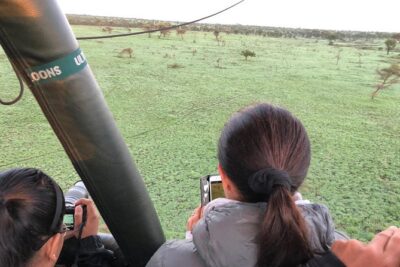
Balloon Safari & Bush Breakfast in Serengeti – Miracle Experience
Read our review →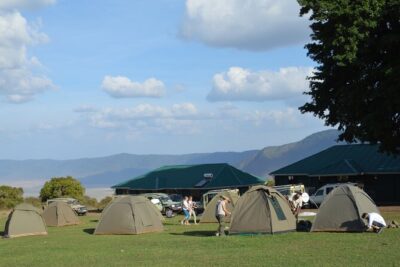
3 Days Serengeti & Ngorongoro Group Camping Safari
Read our review →
7-Day Premium Luxury Tanzania Safari All-Inclusive
Read our review →
8 Days Great Wildebeest Calving Migration Safari from Arusha
Read our review →
10-Day Serengeti Wildebeest Migration Safari from Arusha
Read our review →
5-Day Private Northern Tanzania Safari from Arusha
Read our review →Other lists this safari sits on