
Review · ARUSHA
8 Days Great Wildebeest Calving Migration Safari from Arusha
The great attraction here is timing. From December through April, the southern Serengeti and Ndutu area can fill with wildebeest and newborn calves. That also draws lions and other predators, giving you a chance to see one of nature’s most active wildlife spectacles rather than simply ticking parks off a list.
I like the wide range of habitats, from Tarangire’s baobabs and elephant herds to Lake Manyara’s compact game circuit and Ngorongoro’s crater floor. I also like the practical setup: accommodation, meals, bottled water, park fees, airport transfers, and a private vehicle are bundled into the price. The main caution is that this is a busy eight days, with long road sections and early starts, and calving sightings can never be guaranteed.
Key points to know before booking
- Calving-season focus: Ndutu is the heart of the trip, with the best chance of seeing young wildebeest and predator activity from December to April.
- Five major wildlife areas: You visit Tarangire, Lake Manyara, Ndutu, central Serengeti, and Ngorongoro Crater.
- Private safari vehicle: The tour has a maximum of seven people, with transport by private vehicle and a driver-guide.
- Comfortable overnight stops: Nights are split between Mount Meru Hotel, luxury tented camps, and luxury lodges.
- Strong guide reputation: Gosheni guides named in feedback include William David, Albert, George Mathias, Calvin Kileo, Ombeni, Michael Sangiwa, Rahim, and Innocent Mafuru.
- Good package value: Meals, entrance fees, airport transfers, accommodation, and bottled water are included in the $2,999.62 price.
Why the Ndutu calving season matters
The timing is the reason to choose this safari. During the December to April rains, wildebeest move through the southern Serengeti ecosystem, including the Ndutu area. The main calving period is especially brief, with the majority of births taking place around February for roughly three weeks.
That short window can produce remarkable scenes. Newborn calves gather around large herds of adults, while lions and other predators follow the food source. You may see feeding, pursuit, or animals protecting their young. You may also have a quieter game drive, since wildlife does not follow a schedule. The season improves your odds for certain sightings, but it does not promise a particular animal or event.
Ndutu is within the Ngorongoro Conservation Area but forms part of the larger southern Serengeti ecosystem. That matters because the animals do not care about the boundary on a map. Your guide’s ability to read recent animal movement, weather, and road conditions will shape how much you see.
The southern Serengeti can be especially rewarding for people who want more than the classic big-five checklist. You are watching a living cycle: birth, feeding, movement, and predation. The setting is also different from central Serengeti, with short grass plains, swamps, woodland, and soda lakes around Lake Ndutu.
More Great Migration safaris around Arusha:
- 10-Day Serengeti Wildebeest Migration Safari from Arusha
★ 5.0 · 218 reviews - 8 Day Spectacular Migration Serengeti mid -Range Tanzania Safari
★ 5.0 · 161 reviews - 9-Day Serengeti Migration Footsteps Tanzania Safari
★ 5.0 · 96 reviews
Day 1: A soft landing at Mount Meru Hotel
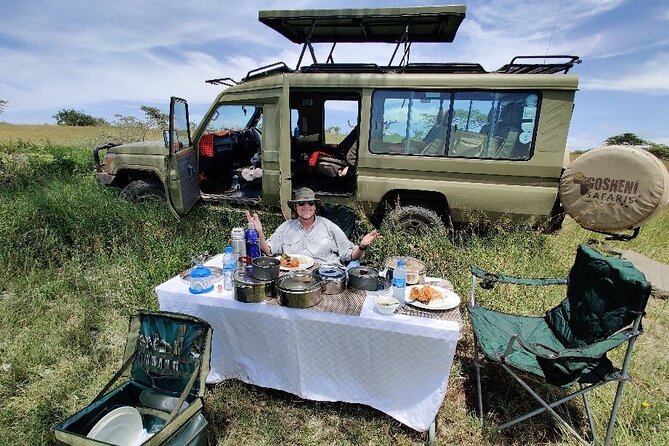
The tour begins with pickup at Kilimanjaro Airport and transfer to Mount Meru Hotel. This first night is useful. After an international flight, you do not have to begin a long game drive or road transfer at once.
The published meeting point is in Arusha, with an 8:30 am start time. Airport pickup is included, as is the return transfer at the end of the trip. Confirm your arrival and departure details carefully when booking, since the route begins and ends around Arusha or the airport.
This night is more about rest than sightseeing. That is a good choice for an itinerary that becomes much more active once you leave town.
Day 2: Tarangire’s elephants and baobabs
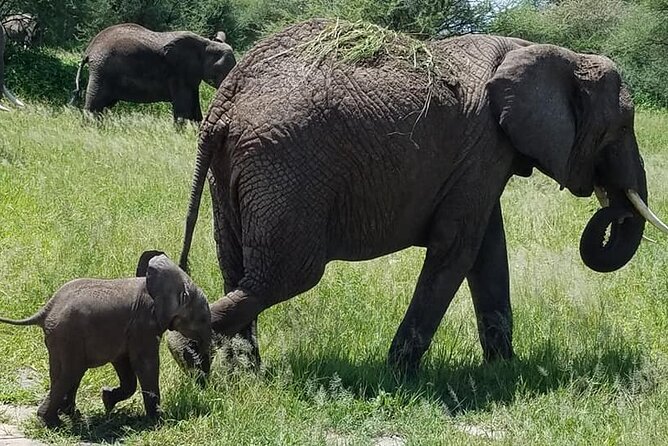
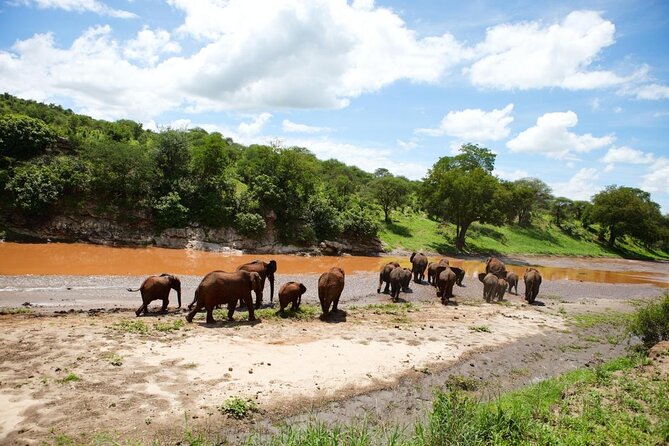
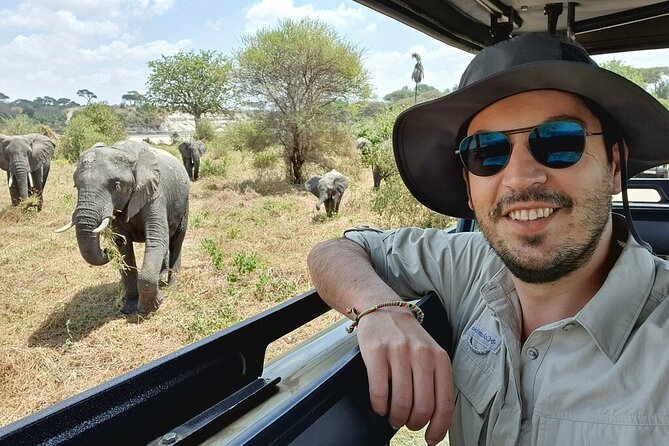
Tarangire National Park is the first major wildlife stop. Its lasting image is usually the baobab tree, a thick-trunked plant often called the Tree of Life. The park is also known for large elephant herds, and the Tarangire River provides a dependable water source.
The itinerary specifically calls out tree-climbing lions. Sightings are never assured, but the possibility adds another reason to pay attention when your guide scans the branches and nearby shade.
You spend the night in a luxury tented camp. That gives you a first taste of safari accommodation without giving up the comfort expected from a higher-priced package. The day also offers a useful contrast with the later Serengeti plains: Tarangire is tied closely to its river, trees, and dramatic baobabs.
Day 3: Lake Manyara’s compact wildlife circuit
Lake Manyara National Park is smaller in scale than the Serengeti, but that can work in your favor. The game-viewing route is compact, so you can spend less time crossing empty ground and more time watching the park’s varied habitats.
The lake itself is alkaline, and the park has a reputation for a wide mix of environments and wildlife. The description compares its scenery to the kind that inspired Ernest Hemingway’s praise of the area. You should expect a scenic day as well as a wildlife stop.
The compact format makes Lake Manyara a sensible part of an itinerary already packed with long drives. It gives you a different kind of safari experience before the route heads toward Ndutu. Your overnight stay is at a luxury lodge.
More Multi-Day Safaris around Arusha:
- 4 Days Group Camping Safari
★ 5.0 · 1,101 reviews - 5 Days Group Camping Safari
★ 5.0 · 730 reviews - 3 Days Serengeti & Ngorongoro Group Camping Safari
★ 5.0 · 574 reviews - 7-Day Premium Luxury Tanzania Safari All-Inclusive
★ 5.0 · 426 reviews
Day 4: Road to Ndutu and the southern Serengeti
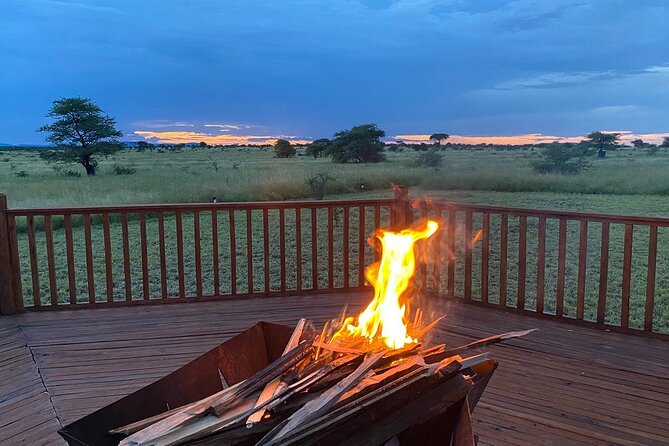
After breakfast, the route turns toward the Ndutu area. This is one of the most important transitions in the trip, since the safari shifts from a general northern Tanzania circuit to the calving grounds.
Lake Ndutu is one of the area’s soda lakes. Its water is alkaline, though the itinerary notes that local wildlife still drinks from it. Around the lake, you may find a mix of open plains, wet areas, woodland, and other habitats.
The drive is part of the experience, but it also requires patience. This is not a short city transfer. Roads can be tiring, and the day may feel long if you are hoping to arrive immediately at a major animal sighting. The reward is sleeping near the area that gives the tour its main seasonal purpose.
You spend the night in a luxury tented camp. Ask before departure how the camp arrangement works for your dates, since the exact property is not specified.
Day 5: A full day around Ndutu
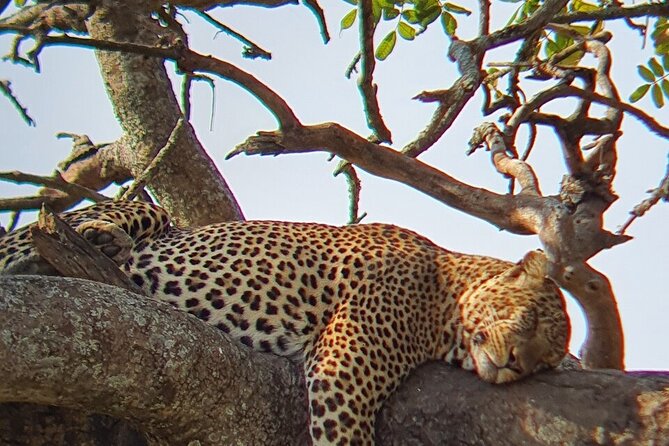
This is likely the emotional center of the safari. Rather than passing through Ndutu on the way to another park, you get a full game-drive day among its swamps, woodland, soda lakes, and short grass plains.
The short grass areas are especially important during calving season. They can offer broad views across herds, making it easier to watch movement and spot young animals. The same open ground can also make predator activity easier to follow, though the animals decide the pace.
A full day gives your driver-guide room to adjust. You are not limited to a quick morning circuit before packing up. If conditions are favorable, you can spend more time with one sighting or search another habitat when the first area is quiet.
This is also where a strong guide matters most. Gosheni’s named guides include William David, praised for locating the Big Five and explaining wildlife, and Albert, noted for sharp animal-spotting skills and knowledge of plants and animals. The person assigned to your vehicle is not specified, so treat those names as examples of the company’s guide team, not a promise of who will lead your safari.
Day 6: Central Serengeti and the migration route
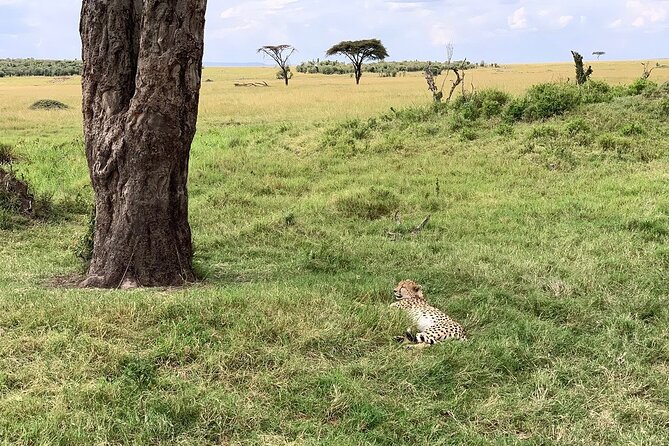
The sixth day moves into central Serengeti National Park, with a full day of game drives. The stated focus is following the migration trails, but the wider Serengeti experience is not limited to wildebeest.
You may see a range of animals as your guide works across the park. The included feedback refers to repeated Big Five sightings, including lion, leopard, rhinoceros, and other wildlife. Those outcomes depend on timing, animal movement, and luck, so it is best to value the whole day rather than measure it against a checklist.
Central Serengeti also gives the itinerary a change of rhythm. Ndutu is about calving grounds and seasonal concentration. Central Serengeti is about broader exploration and tracking the movement of herds across a huge protected area.
The night is again in a luxury tented camp. Three consecutive tented-camp nights can be a plus for people who want a closer connection to the setting. It may be less appealing if you prefer a conventional hotel every night, although the itinerary describes the camps as luxury accommodation.
Day 7: Ngorongoro Crater from above and below
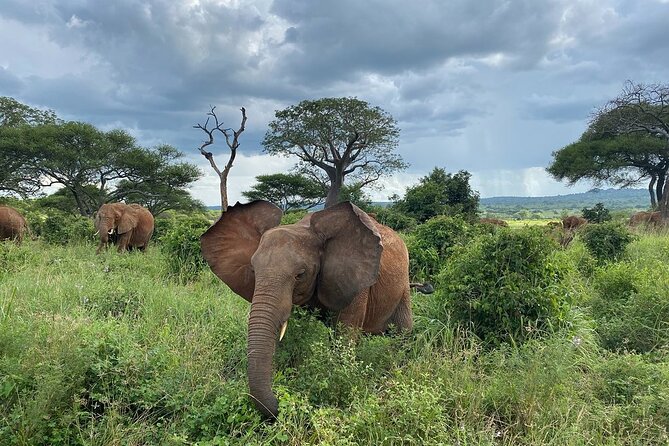
The route then reaches the Ngorongoro Conservation Area and descends about 600 meters into the famous crater. This is a major change from the open migration plains. The crater creates a contained setting where many animals can be viewed within a relatively compact area.
The day is built around a game drive on the crater floor. The itinerary promises an array of wildlife, but it does not promise specific sightings. The crater is a strong choice near the end of the trip because it offers a final concentrated wildlife experience after the long Serengeti sections.
You spend the night at a luxury lodge. That return to lodge accommodation may be welcome after several nights in tents. The day can be busy, so do not expect a slow sightseeing stop. You are combining a major road transfer, a descent into the crater, and wildlife viewing.
Day 8: Mto wa Mbu culture and the journey back
The final morning takes you to Mto wa Mbu for a cultural tour and walking safari. This is a useful change from vehicle-based wildlife viewing. You get a closer look at local life and a chance to move at walking speed after several days spent seated in a safari vehicle.
Lunch is described as a local meal, followed by the return journey to Arusha or the airport. The scenery remains part of the day, but the timing of your onward flight matters. The tour supplies airport drop-off, yet you should confirm that your flight leaves late enough for the planned drive and lunch.
This final stop also prevents the trip from ending with nothing but a long road transfer. It adds a human and cultural note to a journey otherwise centered on parks and animals.
What the $2,999.62 price gives you
At $2,999.62 per person, the cost is not small, but the package includes many major safari expenses. You receive seven nights of accommodation, meals listed as breakfast, lunch, and dinner on most safari days, park entrance fees, bottled water, airport pickup and drop-off, private transport, and a driver-guide.
That bundle makes budgeting easier. You do not need to add separate park fees each morning or arrange a new transfer between every stop. Alcoholic drinks are excluded and available to buy, so set aside extra money for those and for any personal purchases.
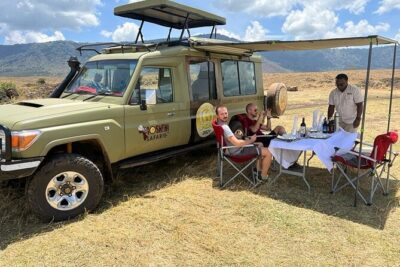
The private vehicle is another part of the value. The maximum group size is seven, which gives you more space and a better chance of seeing from the vehicle than a large coach tour. It also lets the guide adjust the day around wildlife activity and road conditions.
The price still deserves a careful comparison. Accommodation categories are described as luxury tents and lodges, but exact property names are not supplied. Ask for the confirmed accommodation list before paying if the standard of the camp is central to your decision.
The guide can shape the whole safari
A safari vehicle is only as useful as the person driving and interpreting the day. The supplied guide names include William, Albert, George Mathias, Michel, Ombeni, Michael Sangiwa, Calvin Kileo, Rahim, and Innocent Mafuru.
The strongest themes attached to these guides are animal-spotting skill, calm driving, clear explanations, patience, humor, and attention to families. George Mathias is praised for professional driving and a strong desire to find animals. Calvin Kileo is described as patient and thoughtful. Ombeni is associated with difficult roads, animal spotting, and a lively sense of humor.
You cannot choose a named guide from the information provided, so do not book on the assumption that one particular person will lead your trip. You can, however, request a guide preference after booking and ask the operator what is possible.
Who should choose this itinerary?
I would choose this safari if you want the calving season to be the main event and also want a broad introduction to northern Tanzania. The route covers several famous parks without requiring you to arrange separate stays or transfers.
It suits first-time safari visitors, families with an adult accompanying each child, couples, and small groups that value a private vehicle. The warm guide feedback also suggests that families can receive attentive support, though the tour does require a moderate fitness level.
You may want a slower plan if you dislike long drives, early starts, or changing accommodation. You may also prefer a shorter itinerary if Ndutu is your only priority. This eight-day route spends time in Tarangire, Lake Manyara, central Serengeti, Ngorongoro, and Mto wa Mbu, so it trades some focus for variety.
The itinerary is also seasonal by design. From December to April, you have the best reason to target this particular route. Outside the calving period, the same parks may still be rewarding, but the central purpose of the trip changes.
Booking details worth checking
Confirmation is sent within 48 hours, subject to availability. The tour starts at 8:30 am from Arusha, children must be accompanied by an adult, and specific dietary needs should be provided when you book.
Free cancellation is available up to 24 hours before the start time for a full refund. Changes made inside that 24-hour window are not accepted, and late cancellations are not refunded. The activity depends on good weather and a minimum number of people. If the operator cancels for either reason, you are offered another date or experience, or a full refund.
Should you book this safari?
Book it if you want calving-season wildlife, a private vehicle, and a well-supported route that covers the major northern Tanzania highlights. The included meals, fees, transfers, water, and accommodation give the price real value, especially for a first safari.
Think twice if you want a relaxed holiday with little road time, or if you need a specific camp or guide guaranteed in advance. The best reason to choose this tour is the Ndutu timing. If seeing young wildebeest and the predators that follow them matters most, this itinerary puts you in the right part of Tanzania at the right time, while still giving you Tarangire, Lake Manyara, central Serengeti, Ngorongoro Crater, and a final cultural stop.
FAQ
How long is the safari?
The experience lasts approximately eight days and includes seven nights of accommodation.
Where does the tour start?
The listed start point is Arusha in Tanzania, with an 8:30 am start time. Airport pickup from Kilimanjaro Airport is included.
When is the best season for the wildebeest calving?
The safari operates during the calving season from December through April. The main calving period is described as lasting about three weeks around February.
Which parks and areas does the route visit?
The route includes Tarangire National Park, Lake Manyara National Park, the Ndutu area, Serengeti National Park, Ngorongoro Crater, and Mto wa Mbu.
Is transport included?
Yes. Transport by private vehicle, airport pickup, and airport drop-off are included.
Are meals included?
Yes. Meals are included according to the itinerary. Breakfast, lunch, and dinner are provided on the safari days marked B, L, and D. Alcoholic drinks are not included.
What type of accommodation is provided?
The itinerary includes Mount Meru Hotel, luxury tented camps, and luxury lodges. Exact property names are not specified.
How many people can join the tour?
The maximum group size is seven people.
Can I cancel for a full refund?
You can cancel at least 24 hours before the start time for a full refund. Cancellations or changes made less than 24 hours before the start time are not accepted for a refund.
New safaris around Arusha
- Arusha: Serengeti and Ngorongoro Multi-Day Camping Safari★ 4.6 · 46 reviews
- Arusha: 3-Day Serengeti & Ngorongoro Crater Big Five Safari★ 4.6 · 20 reviews
- 5-Day Private Northern Tanzania Safari from Arusha★ 5.0 · 182 reviews
- 3 Days Private Safari – manyara, Ngorongoro & Tarangire★ 5.0 · 94 reviews
- 5 Days Mid-Range Group Safari with Accommodation★ 5.0 · 67 reviews
- 6 Day Tanzania Wildlife Mid range Safari★ 5.0 · 54 reviews
- 4 Days Tarangire, Serengeti and Ngorongoro Mid-Range Group Safari★ 5.0 · 84 reviews
- 7-Day Premium Luxury Tanzania Safari All-Inclusive★ 5.0 · 426 reviews
Arusha Safaris: how they compare.
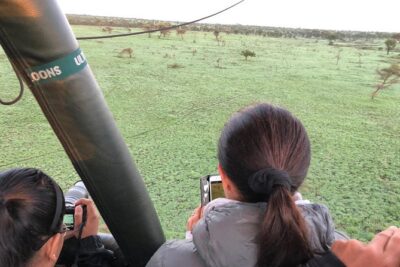
Balloon Safari & Bush Breakfast in Serengeti – Miracle Experience
Read our review →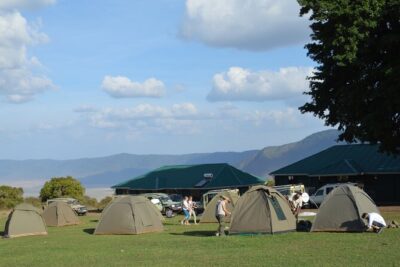
3 Days Serengeti & Ngorongoro Group Camping Safari
Read our review →
7-Day Premium Luxury Tanzania Safari All-Inclusive
Read our review →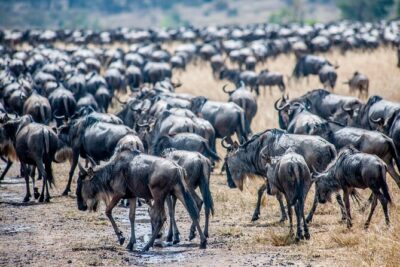
10-Day Serengeti Wildebeest Migration Safari from Arusha
Read our review →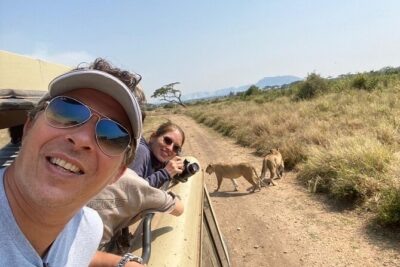
5-Day Private Northern Tanzania Safari from Arusha
Read our review →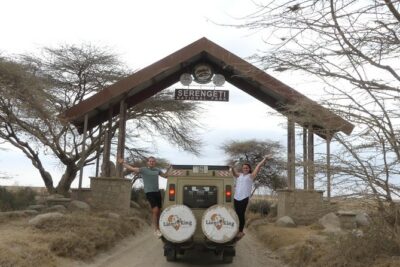
5 Days Best of Tanzania Luxury Safari Northern Circuit
Read our review →Other lists this safari sits on