
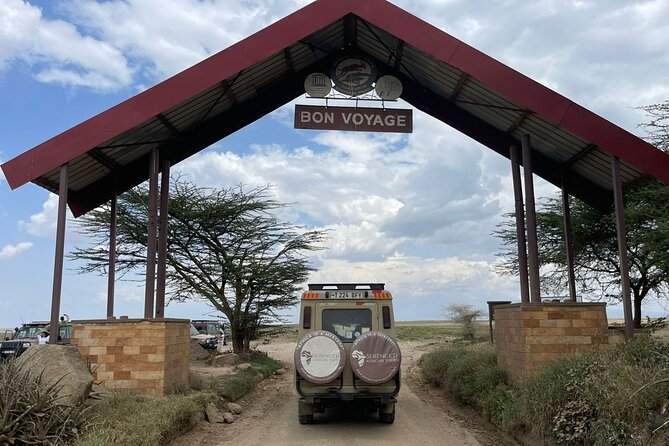
Review · ARUSHA
6 Day Tanzania Wildlife Mid range Safari
Tarangire’s giant elephants and baobabs make a strong opening, but the real prize is the range packed into six days: Lake Manyara’s birdlife, two nights in the Serengeti, Olduvai Gorge, and a final game drive inside Ngorongoro Crater. This is a proper northern Tanzania circuit, not a quick Serengeti dash.
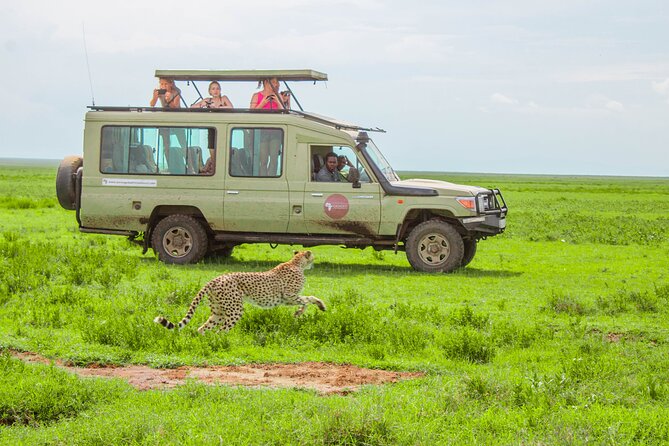
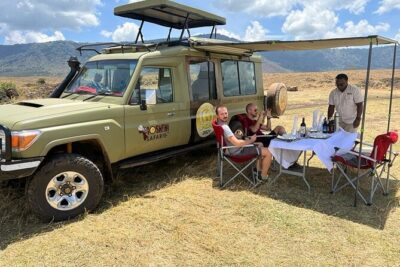
I like the small maximum group of six, which gives you a better chance at a window seat and makes long drives easier to manage. I also like the practical package: a 4×4 vehicle, park fees, three meals daily, water, and lodges or tented camps are included. The main caution is the amount of road time, and the exact lodging names and pickup arrangements should be confirmed before you pay.
Key points to know before booking
- Four major wildlife areas: Tarangire, Lake Manyara, Serengeti, and Ngorongoro Crater each offer a different setting and animal experience.
- Two nights in the Serengeti: The extra day gives you more time around the Seronera area rather than treating the park as a rushed stop.
- Small group format: The vehicle holds a maximum of six travelers, which matters during long game drives and wildlife sightings.
- Guides make a big difference: Godfrey, Kelvin, James, David, and Aboh are among the guides praised for animal spotting, local culture, and patience with photographers.
- Meals are built in: Six breakfasts, six lunches, six dinners, and mineral water are included, with vegetarian and vegan meals available according to the information provided.
- Mid-range value: At $2,500 per person, the package covers major costs, but you should check the exact room and camp category before booking.
Why this six-day route works
Northern Tanzania is ideal for a first safari because each park has its own personality. Tarangire is known for elephants and baobabs. Lake Manyara packs woodland, wetlands, hot springs, cliffs, and a soda lake into a compact area. The Serengeti offers the broadest sense of wild space, while Ngorongoro brings many animals together in a dramatic volcanic setting.
This route also gives you a useful rhythm. You begin with a relatively manageable drive from Arusha to Tarangire, move through Lake Manyara, spend two nights in the Serengeti, then finish with Olduvai Gorge and Ngorongoro. You will spend plenty of time in the vehicle, but you will not simply repeat the same park day after day.
The small group limit of six is important. Safari vehicles are used as viewing platforms, and having fewer people usually makes it easier to shift seats, share sightings, and keep the ride pleasant. It also helps if one person wants to stop longer for a bird or a family of elephants while others are taking photographs.
The itinerary lists a start time of 12:00 am, but the daily descriptions say the safari leaves after breakfast. That is a point to clarify with the operator before departure. Confirm the actual pickup time, your Arusha hotel pickup, and the first night’s accommodation in writing.
More Mid-Range Safaris around Arusha:
- 4 Days Tarangire, Serengeti and Ngorongoro Mid-Range Group Safari
★ 5.0 · 84 reviews - 5 Days Mid-Range Group Safari with Accommodation
★ 5.0 · 67 reviews - 7-Day Midrange Tanzania Safari Adventures (Big 5)
★ 5.0 · 43 reviews
Day 1: Tarangire elephants and baobab country
The first morning begins with breakfast and a stop in Arusha for last-minute purchases. This is useful for snacks, personal supplies, or anything you forgot before leaving town. After that, the 4×4 heads toward Tarangire National Park with a picnic lunch planned inside the park.
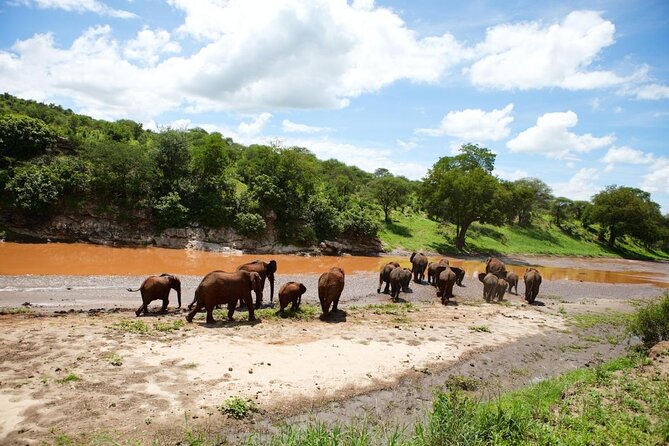
Tarangire is one of the best places on this route for elephants. Large herds move through open woodland and dry scrub, often near the park’s famous baobab trees. The trees give the park a look unlike the Serengeti’s open grass plains, and they provide a memorable backdrop for photographs.
The park also sits within an annual wildlife movement that can include up to 3,000 elephants, 25,000 wildebeest, and 30,000 zebras. Wildlife numbers and locations change with the season, so nobody can promise a particular sighting. Still, Tarangire gives you a strong chance to see elephants early in the trip, along with other species during the game drive.
You should expect a full day on the road and in the vehicle. The picnic lunch keeps the day moving, but it also means you will not return to town for a long midday break. The first night is listed at Farm of Dream Lodge, so confirm that this is the accommodation assigned to your departure date.
Day 2: Lake Manyara in a compact park
Lake Manyara National Park is smaller than the Serengeti, but its variety is the point. In one day, you can pass through acacia woodland, water forest, wetlands, baobab-covered cliffs, hot springs, and the lake zone itself.
That mix supports a large range of animals and birds. The park is especially known for its baboon population, and its tree-climbing lions are a major draw. Seeing a lion in a tree is never guaranteed, but Manyara gives you a distinctive chance to look upward as well as across the grass.
This is also a good day for anyone who enjoys birdlife and changing scenery. The lake and wet areas create a different setting from Tarangire’s dry woodland, while the cliffs add height and drama to the drive.
Dinner and overnight accommodation are listed at Eileen’s Tree Lodge. As with the other camps, the mid-range label can cover several comfort levels, so ask what room type is included. The accommodation matters after a day of driving, particularly if you are sharing a room or have dietary needs.
Day 3: Leaving the highlands for the Serengeti
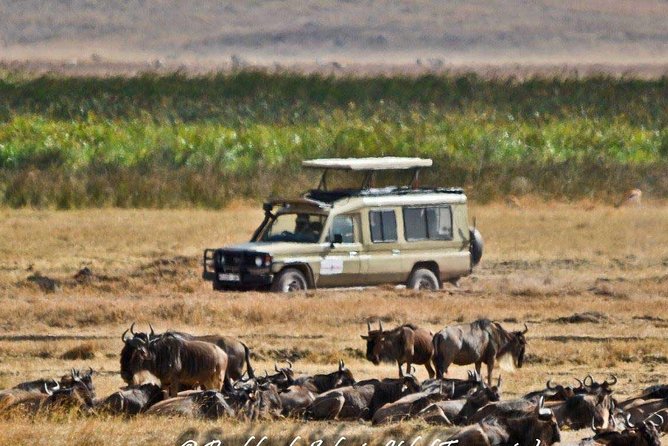
Day three is a major transition. You travel through the farmland around Karatu and across the Ngorongoro Conservation Area before descending toward the Serengeti. The changing scenery is part of the experience, but this is also one of the longer driving days.
The destination is the Seronera area in central Serengeti. Its river provides a reliable water source, which helps draw wildlife throughout the year. That makes Seronera a sensible base for a first Serengeti visit because you have a chance to see a wide selection of species in one part of the park.
The plan is to arrive around lunchtime, then take an afternoon game drive. This gives you an immediate introduction to the Serengeti rather than spending the entire day simply crossing it. The open plains can feel almost endless, and the scale is very different from Tarangire or Manyara.
Dinner and overnight accommodation are listed at Domel Wilderness Camp. You should expect a tented-camp setting rather than a city hotel, but the exact facilities are not specified. Ask about electricity, charging, bathroom arrangements, and the distance between your tent and the dining area if those details matter to you.
More Multi-Day Safaris around Arusha:
- 4 Days Group Camping Safari
★ 5.0 · 1,101 reviews - 5 Days Group Camping Safari
★ 5.0 · 730 reviews - 3 Days Serengeti & Ngorongoro Group Camping Safari
★ 5.0 · 574 reviews - 7-Day Premium Luxury Tanzania Safari All-Inclusive
★ 5.0 · 426 reviews
Day 4: A full Serengeti game-drive day
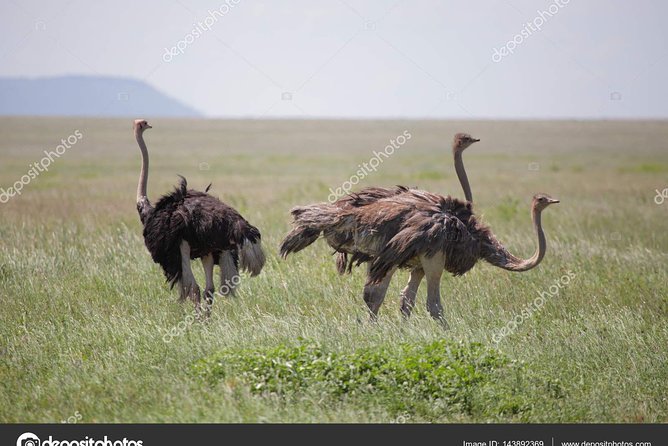
The fourth day is the heart of the safari. You have a full day in Serengeti National Park, including the chance to follow wildebeest movement. The word chance matters here. The migration follows rain, food, and water, so its location changes through the year.
Even when the herds are elsewhere, the Serengeti offers more than wildebeest. The Seronera area is used by many animals because of its water supply, and a patient guide can help you look for predators and plains animals. The feedback about guides repeatedly highlights animal spotting, patience with photographs, and explanations of plants, wildlife, and local culture.
Guides named in the supplied feedback include Godfrey, Kelvin, James, David, and Aboh. You may not receive one of these specific guides, but the consistent lesson is simple: your guide will shape the quality of the safari. A good guide does more than drive. He explains behavior, reads tracks and movement, communicates with other drivers, and knows when to wait.
The full-day format is valuable because wildlife does not follow a timetable. You may spend time watching one scene develop, or drive farther when the first part of the day is quiet. The tradeoff is that the ride can be tiring, especially on rough park roads. Bring a hat, sun protection, and a camera with spare battery power.
Day 5: Olduvai Gorge and the Ngorongoro highlands
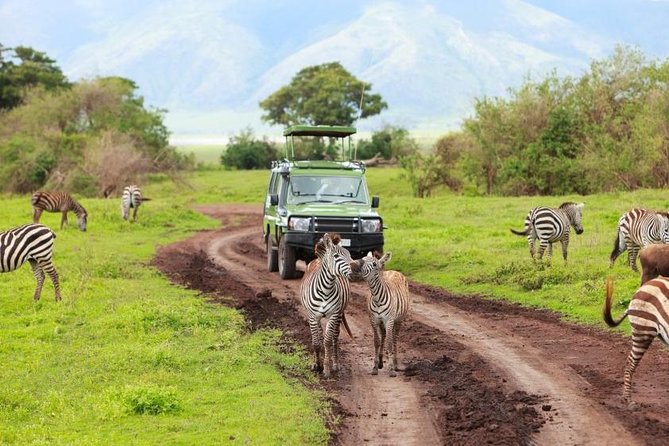
Day five begins with an early morning game drive in the Serengeti before you leave for the Ngorongoro Conservation Area. An early start gives you another chance to see active wildlife, since many animals are more visible during cooler parts of the day.
The route includes Olduvai Gorge, a major archaeological site connected with the study of human evolution. Louis and Mary Leakey found important hominin fossils here, including Nutcracker Man and Handy Man. This stop adds a human story to a trip otherwise focused on wildlife.
Olduvai is not simply a scenic pause. It helps explain why this part of East Africa matters far beyond safari photography. If you enjoy archaeology, anthropology, or the long story of human development, it may be one of the most meaningful stops on the route.
Late in the day, you transfer to Ngorongoro Wildlife Lodge for dinner and overnight accommodation. The lodge’s location gives you a practical base for the crater descent on day six. Because the itinerary uses several different camps and lodges, confirm the final accommodation plan before departure.
Day 6: Descending into Ngorongoro Crater
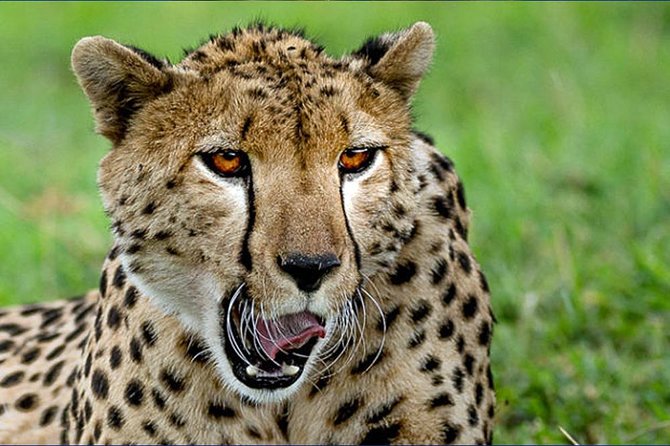
After an early breakfast, you descend more than 600 meters into Ngorongoro Crater. The crater floor has water and grazing areas throughout the year, so it supports large numbers of animals in a relatively contained area.
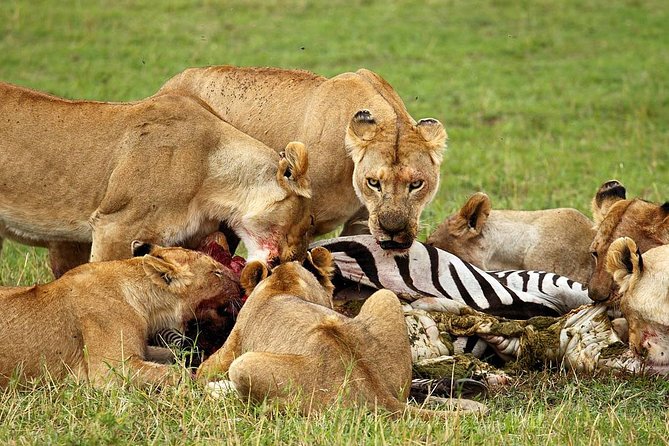
You may see wildebeest, zebra, buffalo, eland, warthog, hippo, and African elephants. The crater is also known for predators, including lions, hyenas, jackals, cheetahs, and the elusive leopard. No guide can guarantee the leopard, but an experienced eye helps when an animal is partly hidden or far from the road.
Lake Magadi is one of the crater’s main features. It is a large, shallow alkaline lake and can attract animals and birds, adding another type of scenery to the crater drive. The combination of open grassland, water, steep crater walls, and concentrated wildlife makes this a strong final day.
The crater can feel busy compared with more remote parts of the Serengeti, especially around a notable animal sighting. That is the price of visiting one of Tanzania’s best-known wildlife areas. In return, you get a high chance of seeing a wide range of animals in a single morning.
Guides, food, and the human side of the trip
The strongest praise is aimed at the guiding. Godfrey is described as explaining animals, plants, Maasai culture, and nature clearly. Kelvin is praised for finding animals and for accommodating photographers. James is described as an experienced guide with a good eye for wildlife and local culture. David is singled out for maintaining a cheerful attitude through all six days.
Those details matter because you will spend much of the trip with one guide in one vehicle. Ask who your guide will be, but also ask about the vehicle group size and how dietary requests are handled. A guide who communicates well can make long drives feel purposeful rather than merely necessary.
Meals are included every day, along with mineral water. The food receives strong praise for being fresh, local, and more substantial than a basic boxed lunch. Vegetarian and vegan meals are available according to the information provided, but you should tell the operator about your requirements before departure.
The safari includes six breakfasts, six lunches, and six dinners. That is a major part of the price because meals inside national parks and at safari camps can be costly when arranged separately. Tips and personal spending are not included, so keep extra money for gratuities and souvenirs.
Is $2,500 a fair price?
At $2,500 per person, this is not a budget weekend in Tanzania. It is a six-day package covering four major wildlife areas, park fees, a 4×4 vehicle, an English-speaking guide, accommodation, water, and all listed meals.
I see the value in the amount of logistics included. Park entry fees alone are an important cost, and the route requires several transfers, campground or lodge bookings, food planning, and vehicle support. You are also paying for two nights in the Serengeti, which gives the trip more substance than an itinerary that only passes through for a few hours.
Still, price comparisons should be made carefully. Ask for the exact names of all lodges and tented camps, whether the safari is shared or private, and what vehicle group size you can expect. The maximum is six, but a smaller group may feel much more comfortable on long drives.
The tour is best value for someone who wants a classic northern Tanzania route without arranging each park, meal, permit, and transfer separately. It may be less appealing if you want luxury rooms, short travel days, or a private vehicle guaranteed for your party.
Who should book this safari?
I would point this trip toward first-time safari visitors who want variety. You see elephants in Tarangire, the mixed habitats of Manyara, the broad Serengeti plains, an important archaeology site, and Ngorongoro’s concentrated wildlife.
It also suits solo visitors who are comfortable meeting other people in a small vehicle. One solo participant described joining a six-day trip and finding the shared experience enjoyable, but group compatibility is never guaranteed. Couples and families can also benefit from the small maximum group, provided everyone is comfortable with early starts and long drives.
This is a good fit for photographers because the itinerary allows a full Serengeti day, and the guides are described as patient during repeated photo stops. It is also useful for vegetarians and vegans, since suitable meals have been provided on past trips.
I would hesitate to recommend it to anyone who dislikes rough roads, early breakfasts, or changing accommodation. The word mid-range can mean comfortable and clean, but it does not mean a luxury lodge every night.
Practical details before you go
Pickup is offered, and the experience is available with a mobile ticket. Confirmation is provided at booking, and the activity is listed as suitable for most people. Near public transportation is noted, though the safari itself takes place mainly by 4×4 vehicle.
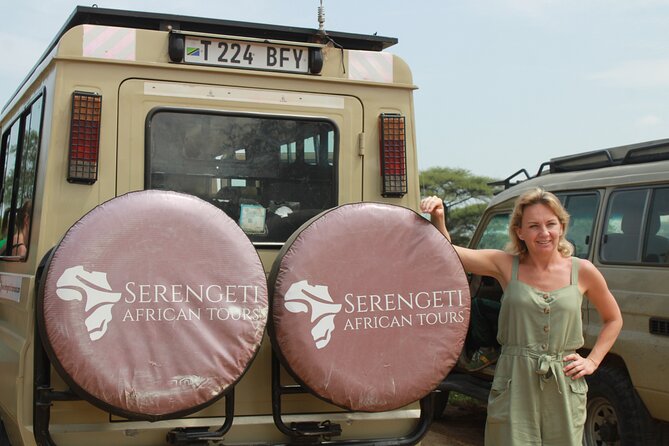
The listed start time is midnight, while the daily plan says departure occurs after breakfast. Contact Serengeti African Tours before the trip and confirm the real start time. Also confirm your pickup point in Arusha, the first night’s lodge, and the exact accommodation sequence.
Visa fees, tips, and personal purchases are extra. Free cancellation is available up to 24 hours before the experience start time. Changes or cancellations made inside that 24-hour window are not accepted for a refund.
Should you book it?
Book this safari if you want a well-rounded six-day introduction to Tanzania’s northern parks and value having transport, meals, park fees, and accommodation handled together. The two Serengeti nights, full-day game drive, and final Ngorongoro visit give the itinerary real weight.
Before paying, get three things confirmed: the exact accommodation names, the actual pickup time, and whether your group will include the full six people. If those details suit you, the route offers strong value and a good mix of wildlife, scenery, and cultural context. If you want private luxury or minimal time on the road, choose a shorter or more upscale plan instead.
FAQ
How long is the Tanzania safari?
The safari lasts approximately six days.
Which national parks and sites are included?
The route includes Tarangire National Park, Lake Manyara National Park, Serengeti National Park, Ngorongoro Crater, and Olduvai Gorge.
How many people can join the safari?
The activity has a maximum group size of six travelers.
What meals are included?
Six breakfasts, six lunches, and six dinners are included, along with mineral water.
Is transportation included?
Yes. Transportation is provided in a 4×4 safari vehicle with a professional English-speaking guide.
What is not included in the price?
Visa fees, tips, and personal spending for souvenirs and other purchases are not included.
More six-day trips into the bush around Arusha
- 6 Days Private Budget Safari
★ 5.0 · 163 reviews - Cape Town: Garden Route and Addo Elephant Park 6-Day Safari
★ 4.7 · 175 reviews - 6-Day Dunes and Wildlife Accommodated Safari from Windhoek
★ 5.0 · 123 reviews - Samburu, Lake Nakuru & Masai Mara 6 Days Private 4×4 Jeep Safari
★ 5.0 · 48 reviews
New safaris around Arusha
- Arusha: 3-Day Serengeti & Ngorongoro Crater Big Five Safari★ 4.6 · 20 reviews
- Arusha: Serengeti and Ngorongoro Multi-Day Camping Safari★ 4.6 · 46 reviews
- 3 Days Private Safari – manyara, Ngorongoro & Tarangire★ 5.0 · 94 reviews
- 5-Day Private Northern Tanzania Safari from Arusha★ 5.0 · 182 reviews
- 4 Days Tarangire, Serengeti and Ngorongoro Mid-Range Group Safari★ 5.0 · 84 reviews
- 5 Days Mid-Range Group Safari with Accommodation★ 5.0 · 67 reviews
- 7-Day Premium Luxury Tanzania Safari All-Inclusive★ 5.0 · 426 reviews
- 12 days Luxury Tanzania Honeymoon Safari and Zanzibar★ 5.0 · 105 reviews
Arusha Safaris: how they compare.
Balloon Safari & Bush Breakfast in Serengeti – Miracle Experience
Read our review →
3 Days Serengeti & Ngorongoro Group Camping Safari
Read our review →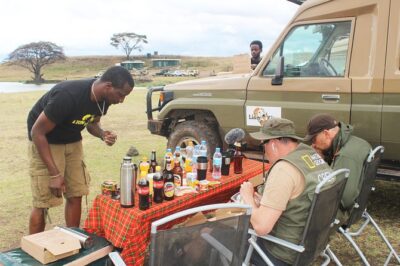
7-Day Premium Luxury Tanzania Safari All-Inclusive
Read our review →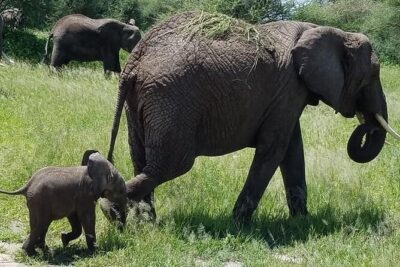
8 Days Great Wildebeest Calving Migration Safari from Arusha
Read our review →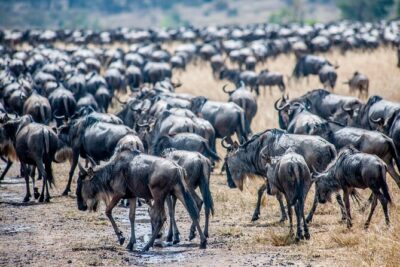
10-Day Serengeti Wildebeest Migration Safari from Arusha
Read our review →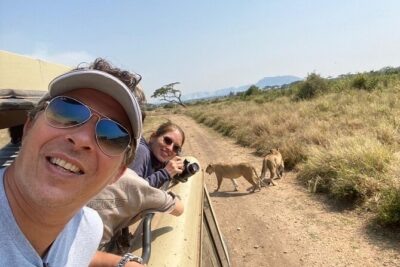
5-Day Private Northern Tanzania Safari from Arusha
Read our review →Other lists this safari sits on