Review · ARUSHA
5 Days Budget Private Safari, Tanzania
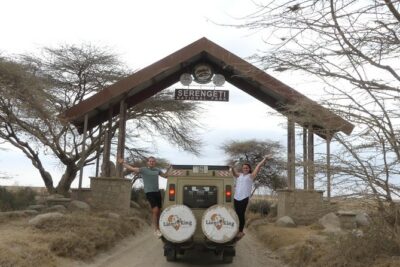
The big appeal here is simple: in five busy days, you visit four of northern Tanzania’s best-known wildlife areas without having to arrange meals, camps, park entries, and long drives yourself. The route includes Tarangire, Serengeti, Ngorongoro Crater, and Lake Manyara, with a real chance of seeing elephants, lions, leopards, cheetahs, buffalo, and perhaps a black rhino.
I like the private format, since your group can focus on the animals and pace rather than fit around strangers. I also like the food plan: five breakfasts, five lunches, and four dinners are included, which matters when much of each day is spent far from town. The main drawback is the pace. Four parks in five days means long drives, an early start, and camping at Seronera and Simba rather than a soft bed every night.
Key points to know before booking
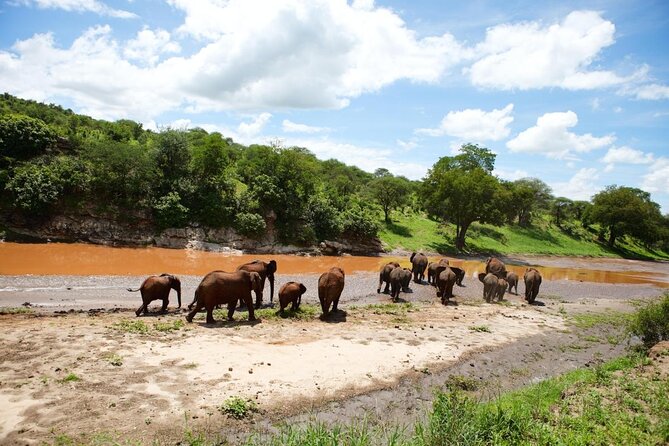
- Tarangire starts the safari with elephants and baobabs, plus a picnic site with a broad view over the park.
- Serengeti receives two game-drive periods, including a sunrise outing when animals are often active.
- Ngorongoro Crater offers one of the best chances for a black rhino sighting, though wildlife sightings can never be promised.
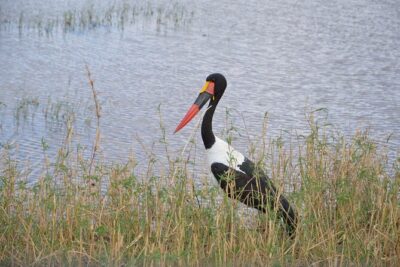
- Lake Manyara adds a smaller, bird-focused park with flamingos, primates, baobabs, and the famous tree-climbing lions.
- Guide Praise has earned special praise for finding animals, while the safari chef is noted for producing strong meals with limited camping equipment.
- This is a private activity, so only your group participates, with pickup offered in Arusha.
Why this five-day route works
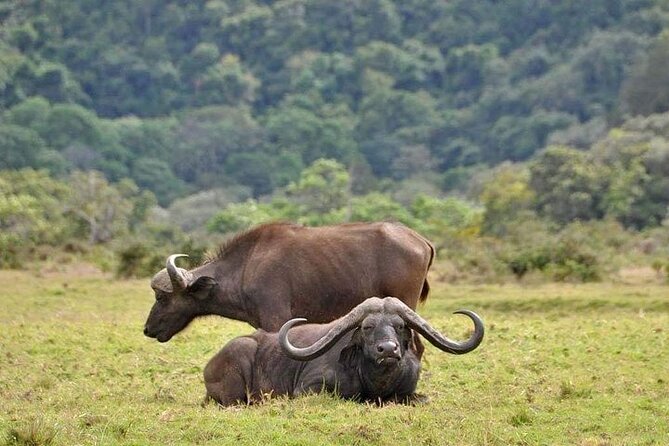
Northern Tanzania rewards a multi-park trip because each park has a different feel. Tarangire is known for elephants and baobabs. Serengeti gives you wide open plains and more time to search for predators. Ngorongoro concentrates a large number of animals inside an old volcanic crater. Lake Manyara brings a change of pace, with woodland, birdlife, and a shallow seasonal lake.
I like the way this route builds from a relatively easy first day into the longer Serengeti section, then finishes with Ngorongoro and Lake Manyara. You are not spending all five days in one place, but you also are not simply ticking off parks from a highway. Each stop has a clear reason for being there.
The tradeoff is distance. The road to Serengeti takes about four to five hours and is described as long and bumpy. That drive is part of the safari experience, but you should be comfortable sitting in a vehicle for much of the day. The itinerary also uses an open-roof safari vehicle, which gives you a better view when animals appear.
The displayed price is $0.00 in the supplied details, so I would not treat that as the actual cost of the trip. Confirm the current price, accommodation level, park fees, and vehicle arrangements before paying. The value can be strong because meals, lodging, park visits, and private touring are bundled, but the real value depends on the confirmed rate and camping setup.
More Private Safaris in Arusha
- 5-Day Private Northern Tanzania Safari from Arusha
★ 5.0 · 182 reviews - 6 Days Private Budget Safari
★ 5.0 · 163 reviews - 3 Days Private Safari – manyara, Ngorongoro & Tarangire
★ 5.0 · 94 reviews
Day 1: Tarangire’s elephants and old baobabs
Your safari begins with pickup after breakfast at your hotel in Arusha. The drive to Tarangire takes about two hours, making this a more manageable opening day than the long transfer to Serengeti.
Tarangire is best known for its large elephant herds and ancient baobab trees. Those trees give the park a distinctive look, and the safari route also passes seasonal swamps, open grassland, and the Tarangire River. The river is a major reason animals gather here, especially during drier periods, though wildlife numbers and exact sightings change with the season.
From the open roof of the vehicle, you may see giraffes, impalas, zebras, lions, leopards, elands, warthogs, and many kinds of birds. That is a wide list, not a promise. The great value of this first drive is variety. You get a quick introduction to large mammals, predators, grazing animals, and birdlife in one park.
Lunch is a picnic at a site with a notable view. I like that this is not just a rushed snack between drives. A scenic lunch gives you time to rest before returning to the park roads for more wildlife viewing.
After the afternoon drive, you continue to Fig Tree Lodge for dinner and the night. This lodge stay gives you a break from camping before the more demanding Serengeti and Ngorongoro sections. Since the first day includes about six hours of park activity, the lodge is a useful pause rather than a minor detail.
Day 2: The long road into Serengeti
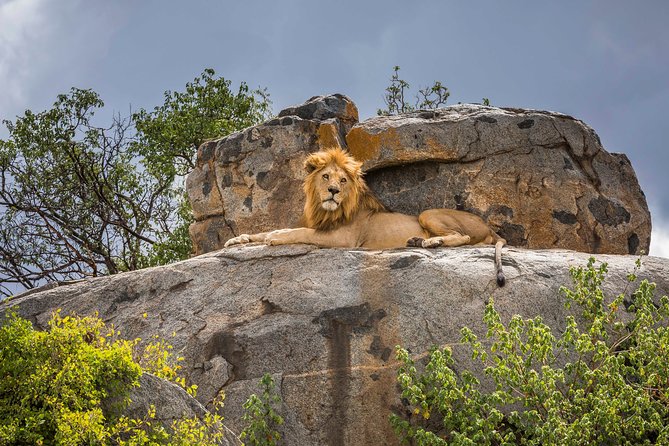
After breakfast, you leave for Serengeti. The route takes roughly four to five hours, climbing through the crater highlands before opening toward the wide Serengeti plains. This is the day when you need patience and a sense of humor about rough roads.
The drive is not a short transfer. It is part of the day’s safari, with game viewing along the way and a picnic lunch before the afternoon park drive. The changing scenery helps explain why northern Tanzania is so popular, but the road can be tiring, especially for anyone who has not spent much time in a safari vehicle.
After entering Serengeti, you have an afternoon drive and continue until sunset. This timing gives you a chance to see the plains in softer evening light before heading to Seronera campsite for dinner and overnight.
The Seronera area is a practical base because it places you inside the Serengeti for the next morning’s sunrise drive. That saves you from starting the day with another long approach from outside the park. You should still expect a basic camping experience rather than lodge comfort. The supplied details confirm camping at Seronera, but they do not specify tent facilities or bathroom arrangements, so ask for those details before booking.
Day 3: Sunrise wildlife in central Serengeti
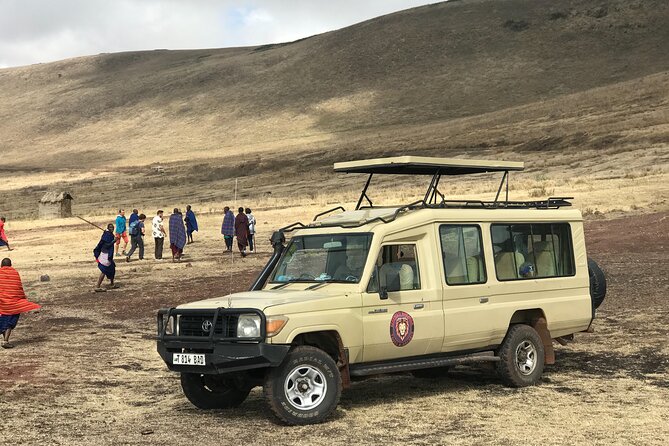
The third day starts around 6 a.m. for a sunrise game drive. This early start is one of the strongest parts of the plan. Animals can be active in the cooler morning hours, and the low sun can make the plains especially attractive for photography.
Breakfast is served at a picnic site in the bush, followed by more game viewing. This is the day with the best amount of dedicated Serengeti time, since you drive at sunrise, continue through the morning, return to camp around noon for a hot lunch, then load the vehicle and leave for Ngorongoro.
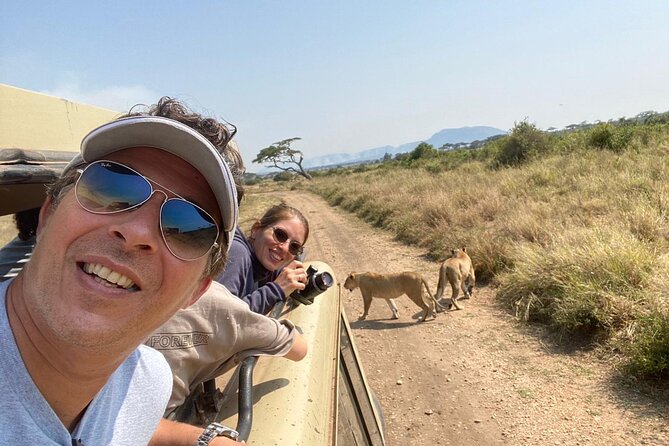
The animal list for this part of the safari includes the possibility of lions, leopards, and cheetahs, along with the other mammals found in the park. One of the strongest accounts of this experience describes seeing lions feeding, a leopard, a cheetah, a baby elephant, and a black rhino during the wider safari. Those sightings show what is possible, but I would keep expectations sensible. No guide can control where animals move.
A standout guide can still make a real difference. Praise is specifically credited with having an unusually good sense for finding animals. The useful question to ask before departure is who will guide your group and whether Praise is available for your dates. If you have a particular interest in predators, birds, or photography, tell the company in advance so your guide understands what you hope to see.
After lunch, the drive to Ngorongoro takes up the second half of the day. You have dinner and sleep at Simba campsite. This makes Day 3 one of the most demanding days, with an early start, morning game drives, camp packing, and a transfer. Plan on being tired by evening.
More Private Safaris in Tanzania
- 2 Days and 1 Night Mikumi Safari Private Tour
★ 5.0 · 32 reviews
Day 4: Down into Ngorongoro Crater
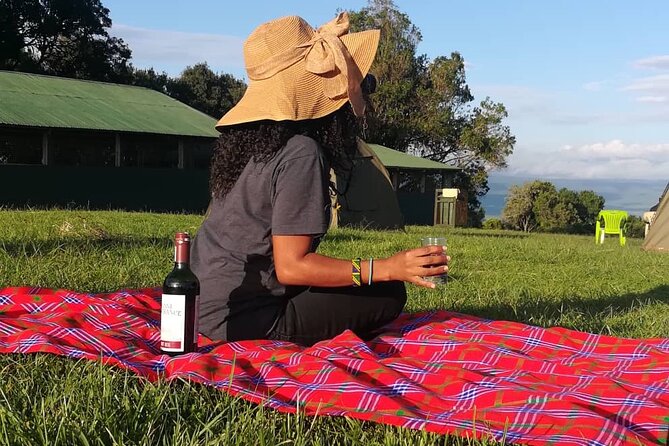
After an early breakfast, you descend into Ngorongoro Crater. The crater is a remarkable setting because a broad range of East African wildlife can be found within a relatively contained area. The itinerary highlights the chance to see black rhino, one of the most sought-after sightings in this part of Tanzania.
Again, the wording matters: you might see a rhino, but it is not guaranteed. Wildlife remains wild, and even a well-run safari cannot arrange a particular animal. Your guide’s skill, timing, and persistence help, but luck remains part of the deal.
The crater drive lasts about five hours. That is enough time for focused game viewing without trying to force another major park into the same day. You can choose between a picnic lunch at Hippo Lake or a hot lunch at camp. The picnic option keeps you closer to the crater experience, while the hot meal may appeal if you want a more comfortable break.
After the crater, you return to Fig Tree Lodge for dinner and the night. This second lodge stay is welcome after the camping nights. The itinerary does not state the exact room style or facilities, so confirm what is included if comfort matters to you.
Ngorongoro is also the point where the safari feels most concentrated. In Serengeti, you scan broad open spaces and may travel long distances between sightings. In the crater, the setting itself helps focus the day. That makes it a good match for first-time safari visitors who want a strong chance of seeing several kinds of wildlife without another full-day transfer.
Day 5: Lake Manyara’s birds and tree-climbing lions
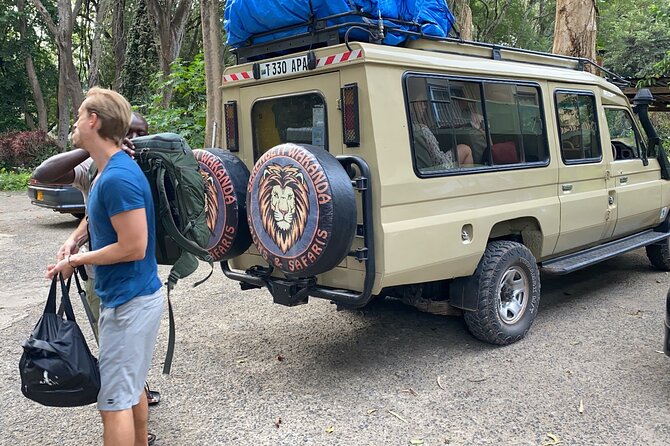
The final day begins with breakfast and a short drive of about five minutes to the park gate. Lake Manyara is smaller than the other parks on this route, but it offers a different mix of scenery and wildlife.
The lake is seasonal, flooding and drying at different times. When conditions are right, it supports thousands of flamingos. The park also has more than 300 bird species, along with grassy plains, woodland full of primates, and cliffs marked by baobabs.
Lake Manyara is also known for tree-climbing lions. That phrase attracts plenty of attention, but seeing lions in trees is not guaranteed. The park remains worthwhile even if the cats stay on the ground, since the birdlife and changes in vegetation give you something different from the open Serengeti.
The final game drive lasts about six hours, and the expected return to Arusha is around 5 p.m. That makes this a full final day, not a brief stop before a midday airport transfer. If you have an evening flight, check the timing carefully and allow a generous margin. The supplied schedule gives an approximate return time, and safari roads can affect the day.
Meals, camping, and comfort on the road
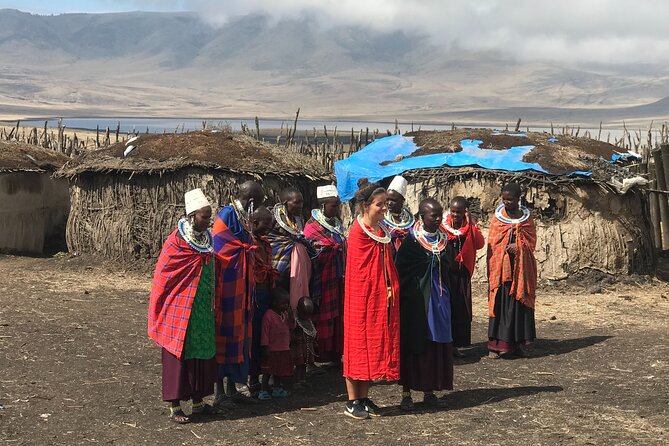
All five breakfasts and five lunches are included, along with four dinners. That covers the full five-day schedule except for the final evening, when you return to Arusha. I see this as one of the tour’s more useful inclusions. Buying meals in remote areas is not always simple, and a planned kitchen keeps the day moving.
The safari chef receives particularly strong praise for preparing excellent food with limited camping resources. That matters more than it may sound. After a dusty game drive and an early start, a hot, filling meal can shape your whole impression of the day.
Accommodation is mixed. You spend one night at Fig Tree Lodge after Tarangire, one night at Seronera campsite in Serengeti, one night at Simba campsite near Ngorongoro, and another night at Fig Tree Lodge after the crater. This combination keeps the price lower than a fully lodge-based safari, but it asks you to accept simpler nights.
You should ask for exact camping details before booking. The supplied information confirms the campsites but does not explain tent size, bedding, showers, or toilets. Those details are important if you are new to camping or have mobility concerns.
The guide and private vehicle difference
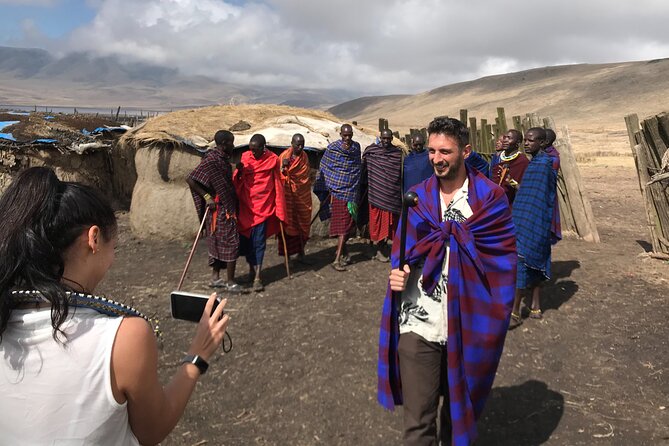
A private tour means only your group participates. That is a major advantage on a wildlife trip. If your group wants to stay longer with elephants, move on quickly from a bird sighting, or pause for photographs, you are not automatically working around a large mixed group.
The guide is central to the experience. Praise is named as a guide with a strong ability to locate animals and a clear passion for the area. Another account highlights the guide’s skill with animals, plants, and local surroundings. I would confirm the assigned guide before departure, but the details point to guiding as one of the tour’s strongest features.
A private safari is not the same as a private guarantee of sightings. You still share park roads with other vehicles, and animals follow their own schedules. What you gain is control over your group’s time and a closer working relationship with the guide.
Who should book this safari?
I would recommend this trip to someone who wants a first Tanzanian safari with the major northern parks in one compact package. It suits people who value a private group, included meals, and a guide-led plan more than high-end accommodation.
It also works for active visitors who can handle early mornings, rough roads, long drives, and two nights of camping. The five-day length is efficient, but it is not leisurely. If you want slow mornings and several nights in one lodge, choose a longer or more relaxed itinerary.
Families and mixed-age groups may appreciate the private format, but the supplied details do not state a minimum age or child policy. Ask before booking. Most people can participate, but specific accessibility information is not provided.
The trip is especially appealing if your priorities include elephants, big cats, birds, and a chance at rhino. It is less suitable if you need guaranteed luxury, dislike camping, or have an inflexible flight on the final evening.
Booking details worth checking
Pickup is offered, and confirmation is provided at booking. The activity is private, with mobile ticketing, and it is near public transportation. Tips and gratuities are not included, so plan for that extra cost even though no amount is specified.
The cancellation policy allows a full refund if you cancel at least 24 hours before the start time. Cancellations within 24 hours are not refunded, and changes inside that period are not accepted. The cut-off follows local Tanzanian time.
Before you commit, confirm the actual price, the name of your guide, the vehicle type, the camping equipment, and the lodge arrangements. The displayed $0.00 price should be treated as a placeholder or error until the provider confirms the real amount.
Should you book the five-day safari?
Book it if you want a private, efficient wildlife circuit with four major parks, all scheduled meals, and a mix of lodge and camping nights. The route gives you strong variety, while the private format and the apparent quality of the guiding add real value.
Think twice if you want a soft, slow holiday. The Serengeti transfer is long and bumpy, Day 3 begins around 6 a.m., and the final day runs until about 5 p.m. For the right person, that effort buys an impressive sweep of northern Tanzania, from Tarangire elephants and baobabs to Serengeti predators, Ngorongoro rhinos, and Lake Manyara flamingos.
FAQ
How long does the safari last?
The safari lasts approximately five days, beginning with pickup in Arusha and ending with an expected return to Arusha around 5 p.m. on Day 5.
Which national parks are included?
The route includes Tarangire National Park, Serengeti National Park, Ngorongoro Crater, and Lake Manyara National Park.
Are meals included?
Yes. Five breakfasts, five lunches, and four dinners are included.
Is this a private tour?
Yes. Only your group participates in the activity.
Where do I stay during the safari?
You stay at Fig Tree Lodge after Tarangire, camp at Seronera in Serengeti, camp at Simba campsite near Ngorongoro, and return to Fig Tree Lodge after the crater. The exact camping and lodge facilities are not specified.
Can I cancel for a full refund?
You can receive a full refund if you cancel at least 24 hours before the experience starts. Cancellations or changes made within 24 hours are not accepted for a refund.
More Multi-Day Safaris around Arusha
- 4 Days Group Camping Safari
★ 5.0 · 1,101 reviews - 5 Days Group Camping Safari
★ 5.0 · 730 reviews - 3 Days Serengeti & Ngorongoro Group Camping Safari
★ 5.0 · 574 reviews - 7-Day Premium Luxury Tanzania Safari All-Inclusive
★ 5.0 · 426 reviews
More Budget Safaris around Arusha
- 5 Days Masai Mara, Lake Nakuru & Naivasha Budget Joining Safari
★ 5.0 · 229 reviews - From Johannesburg: 3-Day Budget Tent Kruger Park Safari
★ 4.5 · 163 reviews - 3 Day Masai Mara Budget Joining Safari on 4×4 – Daily Departures
★ 5.0 · 105 reviews - 3 Day Sossusvlei Budget Camping Safari
★ 5.0 · 62 reviews
New safaris around Arusha
- Arusha: Serengeti and Ngorongoro Multi-Day Camping Safari★ 4.6 · 46 reviews
- Arusha: 3-Day Serengeti & Ngorongoro Crater Big Five Safari★ 4.6 · 20 reviews
- 3 Days Private Safari – manyara, Ngorongoro & Tarangire★ 5.0 · 94 reviews
- 5-Day Private Northern Tanzania Safari from Arusha★ 5.0 · 182 reviews
- 4 Days Tarangire, Serengeti and Ngorongoro Mid-Range Group Safari★ 5.0 · 84 reviews
- 5 Days Mid-Range Group Safari with Accommodation★ 5.0 · 67 reviews
- 6 Day Tanzania Wildlife Mid range Safari★ 5.0 · 54 reviews
- 12 days Luxury Tanzania Honeymoon Safari and Zanzibar★ 5.0 · 105 reviews
Arusha Safaris: how they compare.
Balloon Safari & Bush Breakfast in Serengeti – Miracle Experience
Read our review →
3 Days Serengeti & Ngorongoro Group Camping Safari
Read our review →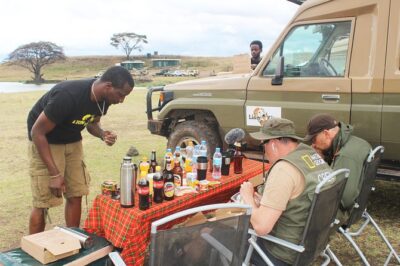
7-Day Premium Luxury Tanzania Safari All-Inclusive
Read our review →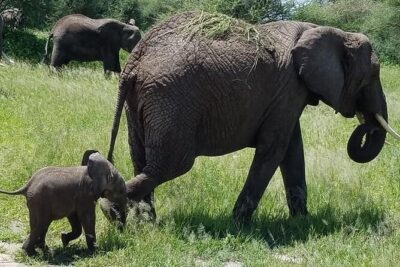
8 Days Great Wildebeest Calving Migration Safari from Arusha
Read our review →
10-Day Serengeti Wildebeest Migration Safari from Arusha
Read our review →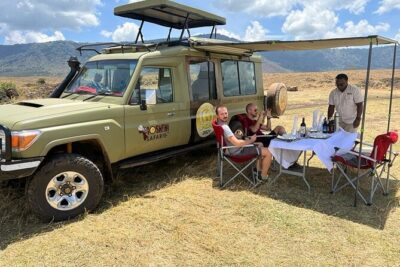
5-Day Private Northern Tanzania Safari from Arusha
Read our review →