
Review · ARUSHA
7-Day Midrange Tanzania Safari Adventures (Big 5)
Tanzania’s best wildlife areas fit into this seven-day safari loop: elephant country in Tarangire, tree-climbing lions at Lake Manyara, the wide plains of Serengeti, and the animal-packed Ngorongoro Crater. You also get a full day in Serengeti, which is the right place to slow down and wait for something special.
I like the variety of habitats and the fact that this is a private trip for your own group. I also like the guide-led approach. Names repeatedly associated with strong trips include Denis, Justin, Gasper, and Rapha, all praised for sharp eyes, good driving, and detailed wildlife explanations. The main drawback is the amount of time spent on rough roads and long transfers, especially between Lake Manyara, Ngorongoro, and Serengeti.
Key points to know before booking
- Four major wildlife areas: Tarangire, Lake Manyara, Serengeti, and Ngorongoro Crater all bring something different.
- A full Serengeti day: Day five gives you up to 12 hours for wildlife watching instead of rushing through the park.
- Private touring: Only your group participates, with pickup available from Kilimanjaro International Airport, Arusha Airport, or the Namanga border.
- Strong guide focus: Denis, Justin, Gasper, and Rapha are names connected with excellent animal spotting and careful driving.
- Midrange comfort: The trip uses accommodation in Arusha, lodge-style stays, and Serengeti Heritage Tented Camp.
- Migration timing matters: Wildebeest and zebra move according to rainfall, so a Big Five safari does not guarantee a river crossing or every major sighting.
Why this seven-day route works
This is a classic northern Tanzania circuit, and its strength is range. In one week, you move from baobab country to a soda lake, then across the Serengeti plains and down into a giant volcanic crater. You are not seeing the same kind of scenery day after day.
The route also gives you a sensible wildlife rhythm. Tarangire is your first proper game drive, Lake Manyara adds birds and forest, Serengeti gets the longest dedicated visit, and Ngorongoro offers dense animal viewing in a compact area. That mix makes the trip a good introduction to Tanzania for someone who wants more than a single park.
The price is listed at $2,924 per person. That is a serious sum, but safari costs are driven by park access, private transport, guiding, accommodation, and the distances involved. This trip is better judged as a complete northern Tanzania package than as seven days of sightseeing stops. Before paying, ask for the exact accommodation list, meal plan, park fees, vehicle details, and any items not included.
Because the tour is private, you are not sharing the vehicle with strangers. That matters on a safari. You can spend longer at a lion sighting, ask questions as they arise, and adjust the pace within the day’s plan. The tradeoff is that the price may feel high for a solo visitor or couple compared with a shared departure.
More Big Five Safaris in Tanzania
- Big Five Luxury Safari in Tanzania
★ 5.0 · 68 reviews - Big Five Classic Safari in Tanzania **Sustainable Travel approach
★ 5.0 · 31 reviews - Arusha: 3-Day Serengeti & Ngorongoro Crater Big Five Safari
★ 4.6 · 20 reviews
Day one: getting settled in Arusha
Your safari begins with pickup from Kilimanjaro International Airport, Arusha Airport, or the Namanga border. The drive to your Arusha accommodation takes about an hour, depending on the exact pickup point and road conditions.
This first day is mainly a landing day. You are not heading straight into a game drive, so you have time to recover from a flight and prepare for early starts. The listed start time is 8:30 am, but confirm the exact pickup time for your own booking, especially if you arrive at an airport on day one.
Arusha is a useful base for the northern safari circuit. It also gives the operator a chance to meet you, check the plan, and arrange your onward schedule. If you are continuing to Zanzibar after day seven, make that plan clear before departure. The company says it will work around your onward destination.
Day two: elephants and baobabs in Tarangire
After breakfast, your guide collects you and drives roughly two hours to Tarangire National Park. This is one of the best early stops on the route because the park has a clear visual character from the start: enormous baobab trees, open savannah, seasonal swamps, and the Tarangire River.
Elephants are the headline attraction. Families gather around water, and the park’s river helps draw wildlife during dry periods. You might also see giraffes, bushbuck, hartebeest, buffalo, zebra, and wildebeest. Lions are present, while leopards and cheetahs are possible but less certain.
The open roof of the safari vehicle is important here. You can scan the trees and grassland without looking through glass, and the guide can position the vehicle for a better view. Bring a hat, sunscreen, and a layer for changing temperatures. The day includes a picnic lunch, so expect a full day outside rather than a quick park visit.
Tarangire can be a strong first game drive because the setting is easy to read. The river, trees, and open ground create natural places to look. Still, no park guarantees a particular animal. Your guide’s experience and willingness to follow fresh information can make a real difference.
Day three: Lake Manyara’s birds, forest, and tree-climbing lions
Lake Manyara National Park is smaller than Serengeti, but it packs several habitats into a compact area. Its shallow salt lake expands and shrinks with the seasons, and the park is known for flamingos and more than 500 bird species.
You collect a lunch box after breakfast and spend the day exploring. The route can take you through open grassy plains, woodlands filled with monkeys, and baobab-dotted cliffs. Giraffes, zebras, wildebeest, buffalo, elephants, and other animals may appear along the way.
The park’s most famous possibility is a lion resting in a tree. That sighting is never assured, but Lake Manyara is one of the places where you have a chance to see it. The forest also makes this day feel different from Tarangire. You are watching branches, water edges, and shaded clearings as well as the open ground.
The practical downside is that Lake Manyara can feel brief compared with the larger parks. It is a varied stop, not a place designed for endless game drives. Its value comes from contrast: birds, primates, forest, lake, and cliffs in one day.
More Big Five Safaris in Arusha:
- Big Five Game Reserve Wildlife Safari from Cape Town
★ 4.0 · 576 reviews - Big Five Safari and Breede River Valley Guided Day Trip
★ 5.0 · 526 reviews - From Johannesburg: Lion & Safari Park Half-Day Tour
★ 4.6 · 384 reviews - Hluhluwe-Imfolozi Park Full Day Big 5 Safari Tour
★ 5.0 · 310 reviews
Day four: crossing the Ngorongoro highlands to Serengeti
Day four is a long transition into the Serengeti. You pass through fertile highlands where the Iraqw people grow wheat, coffee, and corn, then continue through the Ngorongoro Conservation Area. You can see the Ngorongoro Crater before carrying on toward Serengeti.
This is one of the most scenic travel days, but it is also a day when the hours add up. You take a picnic lunch on the way and reach Serengeti in the afternoon. An afternoon game drive follows, then dinner and an overnight stay at Serengeti Heritage Tented Camp.
The first Serengeti views can be startlingly open. The park includes grasslands, swamps, lakes, savannah, and mountains, so the scenery changes as you go. The word Serengeti is often translated as endless plains, and the sense of space is part of the attraction.
Do not expect day four to feel like a full Serengeti safari day. Much of it is travel from one region to another. That is the cost of reaching the park by road, but it also lets you see how farming country gives way to protected wilderness.
Day five: making the most of a full Serengeti day
This is the trip’s main wildlife day, with up to 12 hours in Serengeti. An early start can put you in position before the heat of the day, while later hours may offer different animal activity and better light. Ask your guide how to divide the day rather than assuming every hour must be spent driving.
Serengeti supports impalas, buffalo, crocodiles, hippos, and many other animals. It is best known for migrating wildebeest and zebra, but their location changes with rainfall and the time of year. A trip marketed around the Big Five should be understood as a chance to search for lion, leopard, elephant, buffalo, and rhino, not a promise that all five will appear.
Predators are a major draw. Lions are more commonly encountered than leopards or cheetahs, while the latter two require patience and a good guide network. The strongest guide stories from this operation center on people such as Justin and Denis using sharp eyesight, radio or guide contacts, and familiarity with the roads to find important sightings. Those skills matter most when an animal is far away or partly hidden.
Several accounts also describe excellent wildebeest sightings, including river crossings. Treat that as a bonus, not a standard feature. A river crossing depends on the herds, rainfall, timing, and your exact route. If seeing one is your main goal, ask about a dedicated migration itinerary rather than assuming this seven-day route is timed for it.
You return to Serengeti Heritage Tented Camp for dinner and another night. A tented camp can give the safari a more outdoorsy feel than a conventional hotel, while still fitting the midrange style. Confirm the full accommodation plan before booking, since only this Serengeti camp is specifically named.
Day six: descending into Ngorongoro Crater
After an early breakfast, you begin with an en-route game drive through Serengeti. This can be a useful final search for animals before leaving the park, especially if you have been hoping for one last predator sighting.
You then travel toward Ngorongoro Crater, a UNESCO World Heritage Site formed millions of years ago. The crater is about 600 meters deep and covers roughly 260 square kilometers. From the rim, the scale is impressive, but the real reward comes after descending onto the crater floor.
The crater is famous for dense animal viewing. You might see wildebeest, zebra, gazelles, elephants, and many bird species, with more than 500 bird species recorded in the area. The enclosed setting makes sightings feel concentrated compared with the wide Serengeti.
This is also a physically long day in a vehicle. You leave early, drive out of Serengeti, reach the rim before lunch, and then continue into the crater. The payoff is a strong final game drive, but you should be comfortable with several hours on the road and an early breakfast.
Day seven: returning to Arusha and continuing onward
After breakfast, you drive back to Arusha. The company can arrange the final transfer according to your onward plans, including Zanzibar or a flight home.
If you fly home on a KLM flight, the company says it offers a hot lunch and airport drop-off. It also allows time for shopping for gratuities. That is a thoughtful practical detail, but it applies specifically to the stated KLM arrangement, so confirm what is planned for other airlines.
The final drive is listed at about four hours. Build flexibility into any same-day flight connection. The tour information does not give a guaranteed arrival time, and road conditions or delays can affect the schedule.
Guides, vehicles, and the value of local skill
The guide may be the most important part of a safari. A good guide does more than drive. The guide reads tracks, scans distant grass, explains animal behavior, manages the day’s timing, and shares information with other guides about sightings.
Denis is described as having more than 17 years of safari experience, strong road knowledge, and quick judgment when vehicles became stuck in muddy conditions during the rainy season. Justin is repeatedly linked with sightings of lions, leopards, cheetahs, and wildebeest crossings. Gasper is praised for turning the drive into an informal zoology lesson, while Rapha is noted for hard work and skilled driving.
You cannot assume a particular guide will be assigned unless the company confirms it. Still, these names are useful when you contact the operator. Ask if one of them is available, and ask what happens if your named guide is not free.
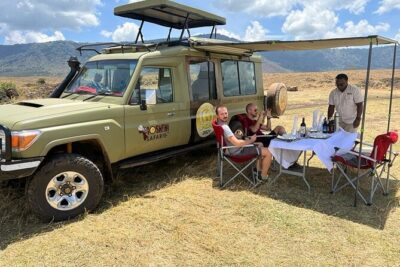
The safari vehicle has an open roof for viewing. That gives you a much better upward view of birds, giraffes, and monkeys than a closed vehicle. It also means exposure to sun, wind, dust, and rain, so pack accordingly.
What the $2,924 price means
At $2,924 per person, this is not a budget safari. Its value comes from combining private transport, four major wildlife areas, accommodation, guiding, park access, and airport or border pickup into one seven-day plan.
The price becomes easier to justify for a small private group that wants its own schedule. Group discounts are offered, so a larger party should ask how the total changes. For a couple, the cost is higher per person than a shared vehicle, but you gain privacy and more control over stops.
Do not compare prices on the headline number alone. Ask for a written breakdown of:
- Accommodation in Arusha and on the safari
- Meals and picnic lunches
- Park and conservation fees
- Airport transfers
- Private vehicle arrangements
- Guide assignment
- Any extra charges for migration areas or special activities
The supplied plan specifically includes park admission on some days and lists Serengeti Heritage Tented Camp, but the full set of inclusions is not stated. Clarifying that before payment is the best way to judge the price fairly.
Who should book this safari
I would point this trip toward a first-time safari visitor who wants the major northern Tanzania parks in one week. It also suits families and private groups that value a dedicated vehicle, and couples who want a midrange trip rather than a basic camping schedule.
It is less suitable if you dislike long drives or want a slow stay in one park. It is also not the right choice if your only goal is a guaranteed wildebeest river crossing. Migration timing changes, and the standard route does not promise one.
Most travelers can participate, according to the tour information, but the schedule includes early breakfasts, full-day drives, rough roads, and long periods in a vehicle. Think carefully about that pace before booking for young children or anyone who needs frequent rest.
Booking is also final: the experience is non-refundable and cannot be changed after cancellation or an amendment request. That makes it especially important to confirm dates, arrival points, accommodation, guide preferences, and onward flights first.
Should you book it?
Book this safari if you want a well-packed introduction to Tanzania with Tarangire, Lake Manyara, Serengeti, and Ngorongoro Crater in one private seven-day route. The full Serengeti day, open-roof vehicle, and strong guide reputation are the best reasons to choose it.
Think twice if you want minimal driving, luxury accommodation, or a migration-specific trip. Before paying $2,924, get the missing accommodation and inclusion details in writing. If those match your expectations, this is a strong midrange route with plenty of wildlife variety and a good chance of memorable sightings.
FAQ
How long is the safari?
The safari lasts approximately seven days, beginning in Arusha and ending with a return to Arusha for your onward journey.
What is the price?
The listed price is $2,924 per person. Group discounts are offered.
Is this a private tour?
Yes. Only your group participates in the activity.
Where can pickup take place?
Pickup is offered from Kilimanjaro International Airport, Arusha Airport, or the Namanga border.
What time does the tour start?
The stated start time is 8:30 am. Confirm the precise pickup time for your arrival and booking.
Which national parks and conservation areas are included?
The route includes Tarangire National Park, Lake Manyara National Park, Serengeti National Park, and the Ngorongoro Conservation Area, including Ngorongoro Crater.
Where do you stay in Serengeti?
The stated Serengeti accommodation is Serengeti Heritage Tented Camp. Other accommodation details should be confirmed before booking.
Can the safari include a wildebeest river crossing?
A river crossing may be possible, but migration movements depend on rainfall and the time of year. It is not guaranteed on this itinerary.
Can the trip end in Zanzibar?
Yes. The company says it can work with your onward plan, including travel to Zanzibar or returning home.
More Multi-Day Safaris around Arusha
- 4 Days Group Camping Safari
★ 5.0 · 1,101 reviews - 5 Days Group Camping Safari
★ 5.0 · 730 reviews - 3 Days Serengeti & Ngorongoro Group Camping Safari
★ 5.0 · 574 reviews - 7-Day Premium Luxury Tanzania Safari All-Inclusive
★ 5.0 · 426 reviews
More Mid-Range Safaris around Arusha
- 4 Days Tarangire, Serengeti and Ngorongoro Mid-Range Group Safari
★ 5.0 · 84 reviews - 5 Days Mid-Range Group Safari with Accommodation
★ 5.0 · 67 reviews - 6 Day Tanzania Wildlife Mid range Safari
★ 5.0 · 54 reviews
New safaris around Arusha
- Arusha: Serengeti and Ngorongoro Multi-Day Camping Safari★ 4.6 · 46 reviews
- Arusha: 3-Day Serengeti & Ngorongoro Crater Big Five Safari★ 4.6 · 20 reviews
- 3 Days Private Safari – manyara, Ngorongoro & Tarangire★ 5.0 · 94 reviews
- 5-Day Private Northern Tanzania Safari from Arusha★ 5.0 · 182 reviews
- 4 Days Tarangire, Serengeti and Ngorongoro Mid-Range Group Safari★ 5.0 · 84 reviews
- 5 Days Mid-Range Group Safari with Accommodation★ 5.0 · 67 reviews
- 6 Day Tanzania Wildlife Mid range Safari★ 5.0 · 54 reviews
- 5 Days Best of Tanzania Luxury Safari Northern Circuit★ 5.0 · 174 reviews
Arusha Safaris: how they compare.
Balloon Safari & Bush Breakfast in Serengeti – Miracle Experience
Read our review →
3 Days Serengeti & Ngorongoro Group Camping Safari
Read our review →
7-Day Premium Luxury Tanzania Safari All-Inclusive
Read our review →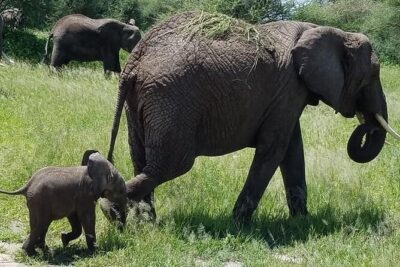
8 Days Great Wildebeest Calving Migration Safari from Arusha
Read our review →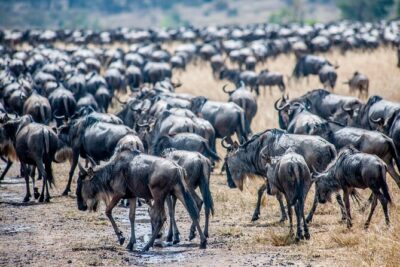
10-Day Serengeti Wildebeest Migration Safari from Arusha
Read our review →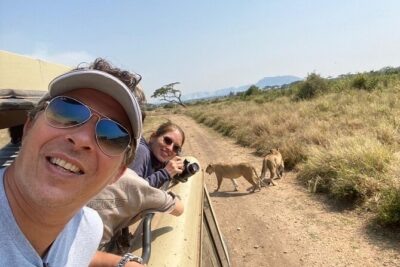
5-Day Private Northern Tanzania Safari from Arusha
Read our review →Other lists this safari sits on