
Review · USA
Yellowstone Wildlife Safari from Bozeman – Private Tour
Yellowstone wildlife viewing works best when you have time, good optics, and someone who knows where to look. This private safari gives you all three, with an early start from Bozeman, a naturalist guide, a comfortable vehicle, and a full day aimed at the northern part of Yellowstone. The Lamar Valley gets two hours, while Slough Creek receives several stops for tracking animals.
I like the private format, since your guide can adjust the pace for your family and focus on what you most want to see. I also like the UHD binoculars and spotting scopes, which turn a distant bear, wolf, or bird into a much more rewarding sight. The main drawback is the long day and high price, with Yellowstone’s entrance fee still extra.
Key points before you book
- A 6:00 a.m. start from Bozeman: You need to be ready early, but this gives you a full day for the long drive and wildlife stops.
- A private vehicle and guide: Only your group participates, so the route and walking pace can be adjusted to your interests.
- The Lamar Valley gets the most time: Plan on about two hours here, with additional wildlife stops at Slough Creek and along the Yellowstone River.
- Wildlife sightings are never guaranteed: The route follows current animal activity, weather, traffic, and road conditions.
- Lunch and optics are included: You receive a locally sourced picnic lunch, snacks, drinks, binoculars, and spotting scopes.
- The cost is $697.50 per person: That is a serious outlay, but it covers a long private day rather than a short park transfer or basic sightseeing ride.
Why this Yellowstone safari is built around the northern range
The northern part of Yellowstone is especially well suited to a wildlife-focused day. Paradise Valley leads you toward the park from Bozeman, then the route can continue through Mammoth Hot Springs, Tower, the Yellowstone River, Slough Creek, and Lamar Valley.
The appeal is not simply the number of stops. It is the way the day combines broad animal-viewing areas with small geological and historical details. Your guide may spend time explaining why a river bend attracts wildlife, how volcanic activity left petrified trees, or why the colors at Mammoth Hot Springs change.
This is also a good choice if you do not want to manage Yellowstone’s roads yourself. You can watch the scenery instead of worrying about directions, parking, roadwork, or where to pull over safely. Your guide can also respond to fresh sightings and change the plan when conditions call for it.
The company lists naturalist guides including Kelsey, Gary, Randolph, Grant, and Nate. The guide matters a great deal here. A patient guide can make a distant animal interesting, keep children involved, and explain the connection between geology, plants, rivers, and wildlife.
More Private Safaris in the USA
- Best of Yellowstone Private National Park Safari Tour
★ 5.0 · 120 reviews - Private Yellowstone Wolf Watching & Wildlife Safari + lunch
★ 5.0 · 92 reviews - Half-Day Grand Teton Wildlife Private Safari Tour
★ 5.0 · 84 reviews
Leaving Bozeman at 6:00 a.m.
The day starts at Café M at 777 E Main Street in Bozeman and ends back there. Pickup is offered, but confirm the exact arrangement when you book.
A 6:00 a.m. departure is early, especially if you are visiting Yellowstone after several days of travel. Still, it makes sense for this route. You need time to reach the park, stop in Paradise Valley, cover the northern range, and return to Bozeman. The tour lasts about 10 to 11 hours, so you should plan for a full day rather than a relaxed half-day outing.
The long duration is one reason the private setup has value. You are not rushing through a short list of photo stops. You have room for slow wildlife watching, a picnic, several roadside stops, and moments when the guide may simply pause to let you take in the surroundings.
Bring warm layers even in summer. Yellowstone weather can shift quickly, and wildlife watching often involves standing outside beside the vehicle. If your child needs a car seat, bring it yourself.
Paradise Valley gives you an early look at Montana wildlife
Paradise Valley lies between Livingston and Gardiner, with the Gallatin Range on one side and the Absaroka Range on the other. The Yellowstone River runs through it, creating a natural corridor for animals and a scenic approach to the park.
The safari stops here for about 30 minutes, usually with wildlife as the main goal. Your guide can also explain the valley’s geology and history, giving the first part of the day more purpose than a simple drive south.
This stop is valuable because it begins the wildlife search before you enter the park. Do not expect a guaranteed bear or elk sighting. Think of it as your first chance to learn how the guide scans open country and reads the terrain.
Mammoth Hot Springs shows Yellowstone’s living geology
Mammoth Hot Springs is famous for its pale travertine terraces, formed as hot water carries minerals to the surface. Algae living in the pools help create brown, red, and other earthy shades.
The stop lasts about 30 minutes. That is enough to see the main formations and hear the geological explanation, though it is not a long walk through every terrace. If geothermal scenery is your top priority, you may wish the day allowed more time here. This safari is designed first around wildlife, so Mammoth serves as an important but fairly brief counterpoint.
Mammoth is also useful for understanding why Yellowstone feels so different from an ordinary mountain park. The ground is active, the colors come from living organisms and minerals, and the scenery changes from open grassland to hot springs within a short drive.
Same parks, another way to see the animals:
- Miami: Everglades Safari Park Airboat Tour
★ 4.4 · 1,267 reviews - Grand Teton Wildlife Safari in a Enclosed or Open-Air Vehicle (season dependent)
★ 5.0 · 1,212 reviews - Everglades Airboat Safari Adventure with Transportation
★ 3.0 · 956 reviews - 3 Hour Off-Road Sunset Safari to Grand Canyon with Entrance Gate Detour
★ 5.0 · 904 reviews
Petrified Tree connects today’s park to its volcanic past
A petrified redwood seems surprising in modern Yellowstone. Millions of years ago, volcanic events covered trees and preserved them as stone. The petrified tree stop takes about 30 minutes and gives your guide a chance to explain how dramatically the area has changed over time.
This is a short stop, but it adds variety. You are not spending the entire day looking through binoculars. You are also learning how the park’s past shaped the plants, rocks, and animal country you see today.
If your group is focused only on large mammals, this may feel less exciting than Lamar Valley. For families and anyone interested in geology, it is a useful break from the road and a reminder that Yellowstone’s story is much older than its wildlife.
Tower Fall brings a brief waterfall walk and a change of pace
Tower Fall is named for the rock pinnacles near the top of the falls. Erosion is slowly shifting the waterfall upriver, though the change is far too slow to watch during your visit.
The safari schedules about 30 minutes here. That gives you time for the viewpoint and photographs, but it is not a long hiking stop. The benefit is variety: after open valleys and hot springs, you get a waterfall framed by unusual rock formations.
The practical point is that every half-hour stop adds up. With a 10 to 11 hour day, the itinerary can feel packed, especially if wildlife sightings cause delays. Your private guide can adjust, but you should expect a full schedule rather than long, unhurried visits at every location.
The Yellowstone River is both scenery and wildlife habitat
The Yellowstone River begins in the Absaroka Range and flows north through the park and Paradise Valley. It eventually reaches the Missouri River, passing through a wide part of the Greater Yellowstone Ecosystem along the way.
The safari uses river stops to search for animals and to explain the river’s role in the area. The water supports fish, including trout, and creates habitat used by many species.
This is where a naturalist guide adds real value. A river is not just a scenic photo background. It is food, water, cover, and a travel route for wildlife. You may find that the most rewarding moment is not a large animal in the open, but a bird, tracks, or movement along the bank that you would have missed without a trained eye.
Slough Creek is a patient search for wildlife
Slough Creek flows from the Absaroka Range into the Lamar River. The safari makes multiple stops in this area, using about 30 minutes as the listed time for the stop while allowing the overall route to respond to sightings.
This part of the day is less about checking off a landmark and more about watching carefully. Your guide may scan distant slopes, creek edges, and open ground with a spotting scope. That can require patience. If you prefer constant activity, the slower pace may test you. If you enjoy the anticipation of finding wildlife, it is one of the strongest parts of the tour.
The spotting scope matters here. Animals can be far away, and a normal phone camera will not bring them close. The provided binoculars and scope let you see more without approaching wildlife or disturbing it.
Lamar Valley earns the longest stop
Lamar Valley gets about two hours, more than any other named stop. It is often called the Serengeti of North America because of its open country and high concentration of wildlife.
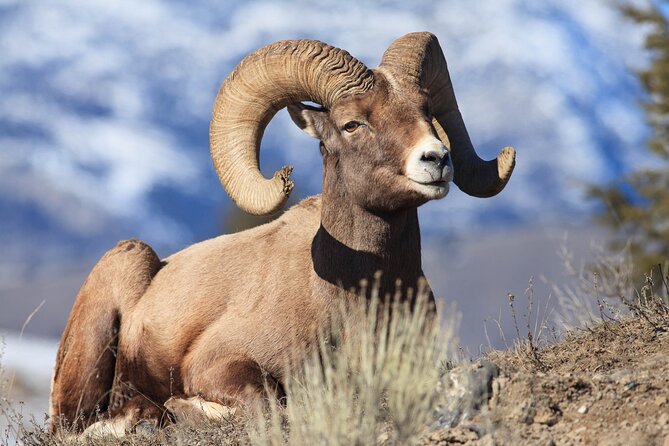
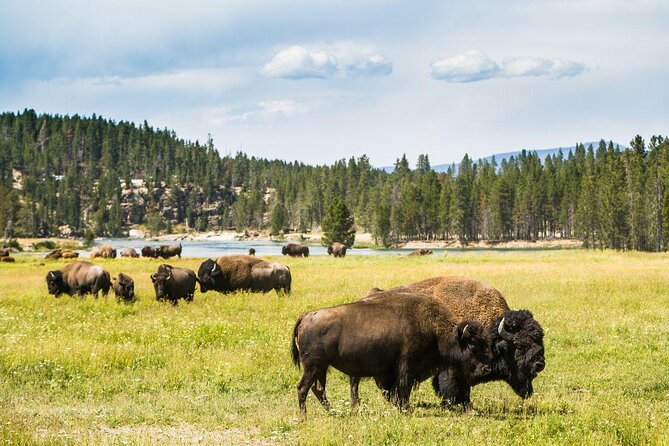
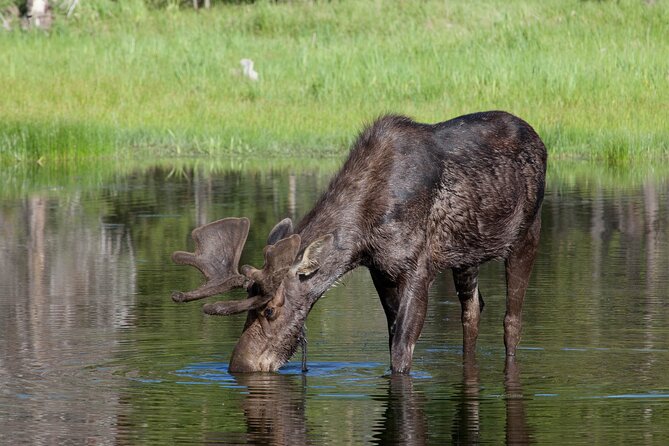
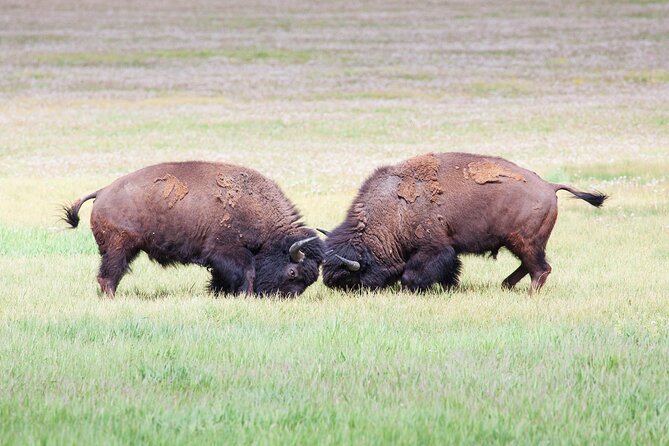
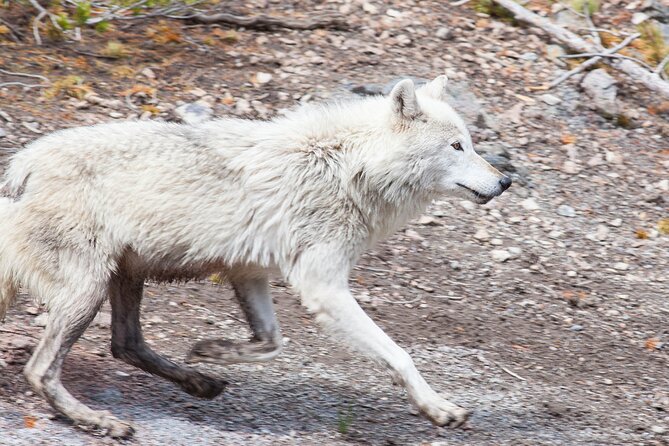
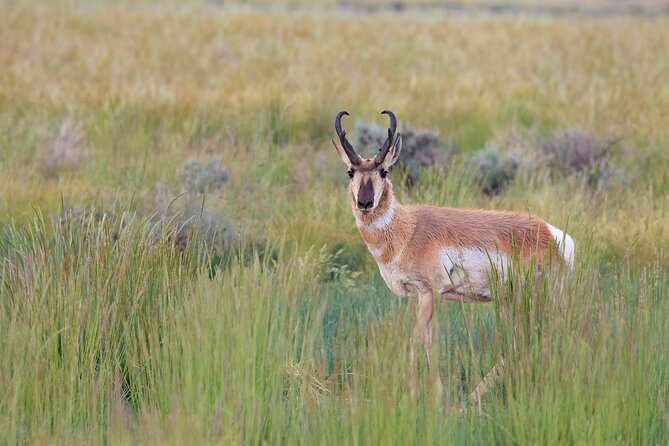
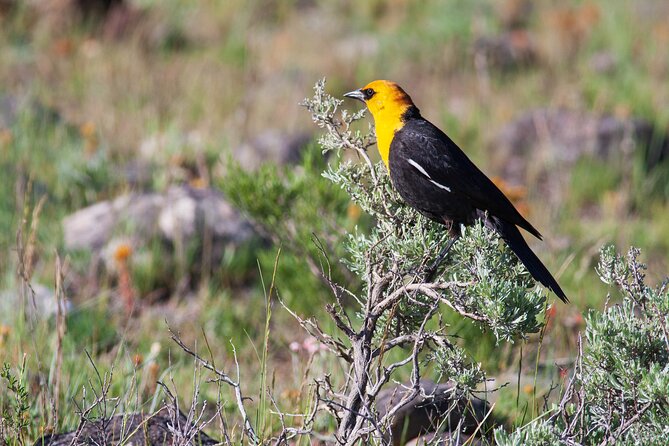
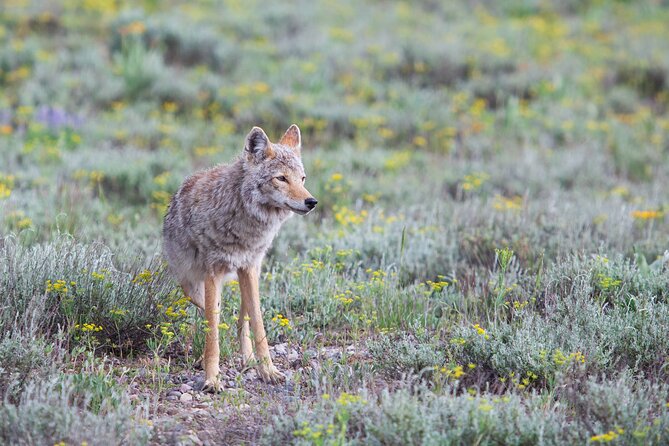
This is the center of the safari. You can expect several stops, long scans through the valley, and explanations of animal behavior and habitat. Depending on the day, sightings can include bison, elk, wolves, bears, moose, mountain goats, birds, and smaller species. One particularly successful day included 18 kinds of animals, including a moose, four bears, and a nest of baby owls. That is an excellent result, not a promise.
The valley can also be rewarding when animals are distant. A guide who knows the area may point out a small shape on a far slope, then use the scope to show you what you are seeing. That shared search is a big part of the experience.
Lamar is open and exposed, so bring layers and be ready for wind or changing temperatures. You may spend a fair amount of time outside the vehicle. The private format helps here because you can stay with a sighting longer if your group is interested, or move on if children need a break.
Albright Visitor Center and the Roosevelt Arch add park history
The Albright Visitor Center occupies a historic building that once housed cavalry troops responsible for protecting Yellowstone before the National Park Service existed. The safari allows about 30 minutes here.
This stop gives the day a human story. Yellowstone was not always managed in the way it is today, and the early military presence shaped how the park was protected. You may find the museum especially useful if you want context beyond animals and scenery.
The Roosevelt Arch is at the north entrance in Gardiner. Built in 1903 from hexagonal blocks of columnar basalt, it rises 52 feet and was intended as a grand entrance to the world’s first national park. The planned entrance was never fully completed, and the official entry route later moved south of Gardiner, but the arch remains a notable historic marker.
Both stops are brief. They work best as punctuation at the start or end of the park portion, not as the central reason to book this outing.
The route changes, and that is a strength
The listed route is a guide, not a rigid promise. Your exact plan can change with your interests, animal sightings, weather, traffic, and road conditions. Summer construction can cause delays, road closures, and slow sections.
Tell your guide early what matters most. If your priority is wolves, bears, birds, geology, flowers, or broad scenery, say so. The guides have thousands of hours in the field and can make practical choices as the day develops.
This flexibility also explains why the safari may not visit every stop in the same way. If an important sighting develops, staying with it may be more worthwhile than sticking to a fixed timetable. A private tour is at its best when you accept that wildlife does not follow a schedule.
Lunch, snacks, and optics make the long day easier
The tour includes a picnic lunch sourced locally with seasonal ingredients. Food is packed in recyclable and compostable materials, and snacks are provided, with local and organic products used when possible. Non-alcoholic drinks are also included.
That matters because buying lunch inside or near a national park can take time, and a restaurant stop would cut into wildlife viewing. A picnic also fits the day’s rhythm better. You can eat during a planned pause rather than leave the route when the animals are active.
The binoculars and spotting scopes are among the most useful inclusions. Several successful sightings depended on good optics, including bears, wolves, owls, and distant animals. If you own binoculars, you may still bring them, but the provided equipment means you do not need to purchase or pack specialized gear for this one day.
Is $697.50 per person good value?
At $697.50 per person, this is expensive. The price is easier to justify for a family or small group that would otherwise need to rent a vehicle, pay for fuel, prepare food, buy or borrow optics, and handle a long Yellowstone driving day without a guide.
You are paying for privacy, transport, a naturalist guide, food, drinks, and wildlife-viewing equipment. You are also paying for local judgment. Knowing where to stop and how long to wait can make a major difference in Yellowstone.
The value drops if your main goal is a quick look at Mammoth Hot Springs or Tower Fall. You could see those places in a simpler sightseeing plan. The price makes the most sense when wildlife is your priority and you want a guide who can adjust the day for your group.
Yellowstone’s entrance fee is not included, so add that to your budget. The tour is booked an average of 88 days ahead, which suggests that you should reserve well before a summer visit.
Who should choose this private safari?
I would recommend it for families, first-time Yellowstone visitors, wildlife photographers, and anyone who wants a guide rather than a self-drive day. It also suits mixed-interest groups because the day includes wildlife, geology, history, waterfalls, rivers, and scenic valleys.
It can work well with children. A guide such as Nate or Kelsey can turn animal searches into a story rather than a long spell of looking through glass. One family reported that a 9-year-old stayed engaged throughout the day, which is a useful sign for parents planning a full park outing.
I would hesitate if you dislike early starts, long drives, changing plans, or waiting quietly for wildlife. I would also think twice if your budget is tight. This is a special-purpose tour, not a low-cost introduction to Yellowstone.
Should you book the Yellowstone Wildlife Safari from Bozeman?
Book it if you want the best chance of turning one long day into a serious wildlife outing, and if you value a private guide, strong optics, local food, and a flexible route. The 99 percent recommendation rate and 4.9 rating from 140 reviews support the idea that the service is consistently strong, especially under guides such as Kelsey, Gary, Randolph, Grant, and Nate.
Do not book it expecting guaranteed bears, wolves, or a fixed sightseeing checklist. You are buying expert effort in a wild place, not a promise of animal sightings. For the right budget and the right expectations, this is one of the more useful ways to cover Yellowstone’s northern range from Bozeman.
FAQ
Where does the Yellowstone Wildlife Safari from Bozeman start?
The tour starts at Café M, 777 E Main Street, Bozeman, Montana 59715. The listed start time is 6:00 a.m., and the activity ends back at the meeting point.
How long does the private Yellowstone safari last?
The experience lasts approximately 10 to 11 hours. The early start allows time for the drive from Bozeman, park stops, wildlife viewing, and the return journey.
Is this a private tour?
Yes. Only your group participates, so the guide can tailor the route and pace to your interests, wildlife sightings, weather, and road conditions.
Are Yellowstone’s entrance fees included?
No. The Yellowstone National Park entrance fee is not included in the tour price.
What is included in the tour?
The tour includes a professional naturalist guide, a locally sourced picnic lunch, snacks, non-alcoholic beverages, UHD binoculars, and spotting scopes.
Can I cancel for a full refund?
You can cancel up to 24 hours before the experience starts for a full refund. Cancellations or changes made less than 24 hours before the start time are not accepted for a refund. If poor weather or an insufficient minimum number of participants causes cancellation, you will be offered another date or experience, or a full refund.
New safaris around the USA
- Orlando: Airboat Ride Tour with Hotel Pickup★ 4.9 · 39 reviews
- St. Augustine: St. Johns River Airboat Safari with a Guide★ 4.8 · 110 reviews
- Sarasota: Myakka State Park E-bike Safari Experience★ 4.6 · 27 reviews
- San Diego: San Diego Zoo Safari Park 1-Day Ticket★ 4.4 · 240 reviews
- San Diego Zoo and Safari Park: 2-Day Entry Ticket★ 4.7 · 79 reviews
- San Diego Zoo Safari Park 1-Day Ticket★ 4.5 · 283 reviews
- San Diego Zoo and Safari Park 2-Day Entry Ticket★ 4.5 · 85 reviews
- Lihue: Deluxe Waterfall Safari Helicopter Tour★ 4.8 · 422 reviews
USA Safaris: how they compare.
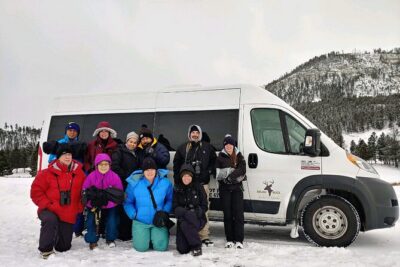
Grand Teton Wildlife Safari in a Enclosed or Open-Air Vehicle (season dependent)
Read our review →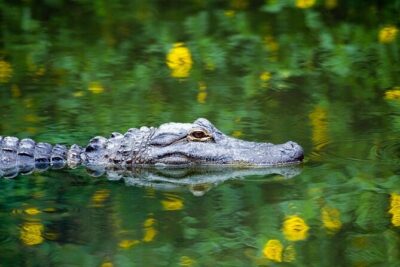
Everglades Airboat Safari Adventure with Transportation
Read our review →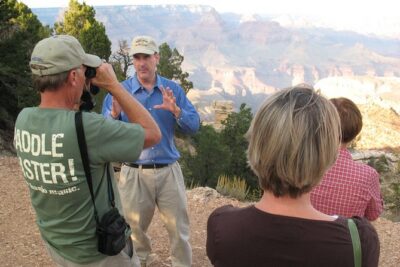
3 Hour Off-Road Sunset Safari to Grand Canyon with Entrance Gate Detour
Read our review →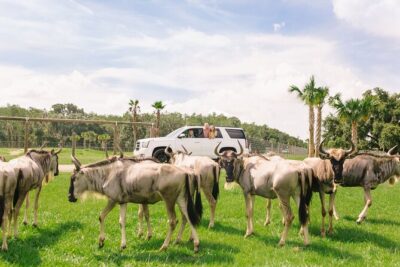
Wild Florida Drive-Thru Safari and Gator Park Admission
Read our review →
Wild Dolphin Watching and Snorkel Safari Off West Coast of Oahu
Read our review →
Dana Point Dolphin and Whale Watching with Underwater Viewing
Read our review →
Other lists this safari sits on