
Review · PRIVATE SAFARIS
Salalah: Sunset desert safari tour in salalah(private tour)
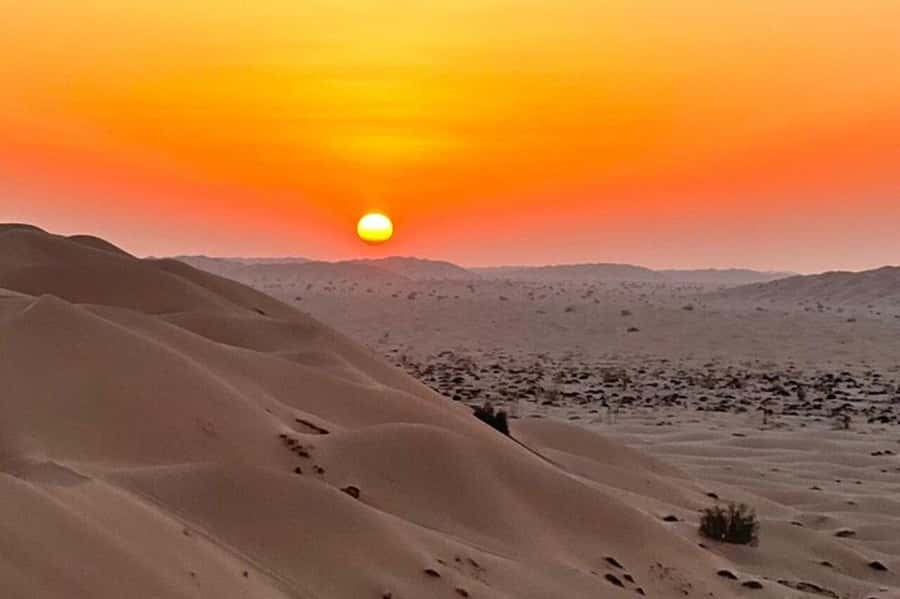
The real prize here is the Rub’ al Khali at sunset, when the sand turns warm gold and the high dunes give you a wide, quiet view of southern Oman. Before that final stop, you visit frankincense trees, sip Karak tea in Thumrait, see black camels, and learn why Ubar mattered to the old caravan trade.
I like the private format, which gives you room to spend more time at a favorite stop. I also like the guides’ personal touch: Mohammed speaks excellent Italian, while Abdullah has used recorded Italian explanations for visitors who speak little English. The main drawback is the long drive, so this suits you best if you enjoy a full day on the road as much as the desert itself.
Key points at a glance
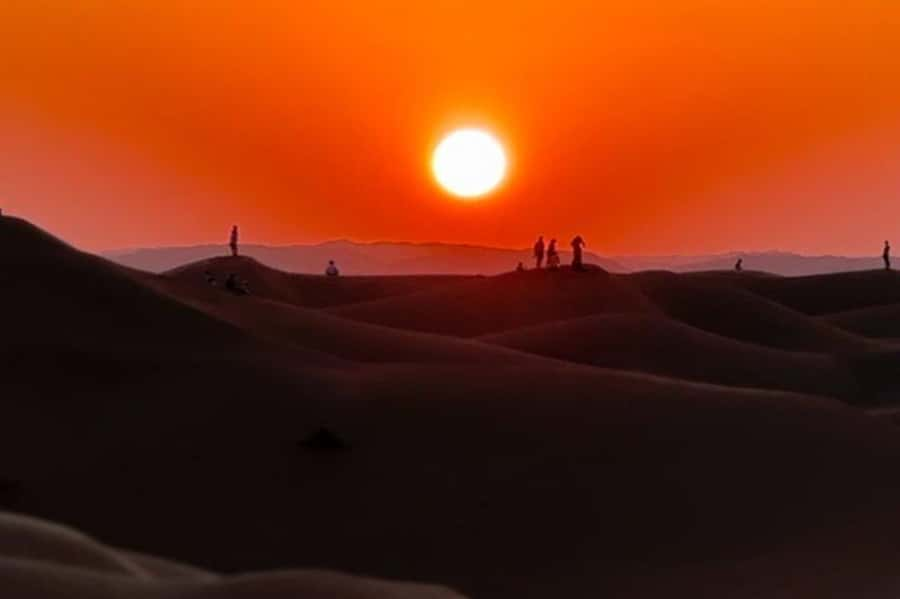
- Sunset in the Rub’ al Khali: The tour ends among high dunes, with time for photographs and dune driving.
- Wadi Dawkha frankincense trees: Ancient trees create a striking contrast with the bare mountains and dry valley.
- Ubar and the old caravan route: The archaeological site links the desert to Oman’s historic frankincense trade.
- Black camels near Thumrait: This is a distinctive local stop, not just a standard camel photo opportunity.
- Private vehicle and flexible pacing: You travel by Jeep or SUV, with a private group option and hotel pickup.
- A guide can shape the day: Mohammed and Abdullah have received especially strong praise for language skills, warmth, and safe driving.
Why the desert sunset is the main event
Salalah is often associated with green hills and monsoon clouds, but southern Oman changes sharply beyond the city. This tour takes you from the coast toward the dry interior, then farther into the Rub’ al Khali, the largest sand desert in the world.
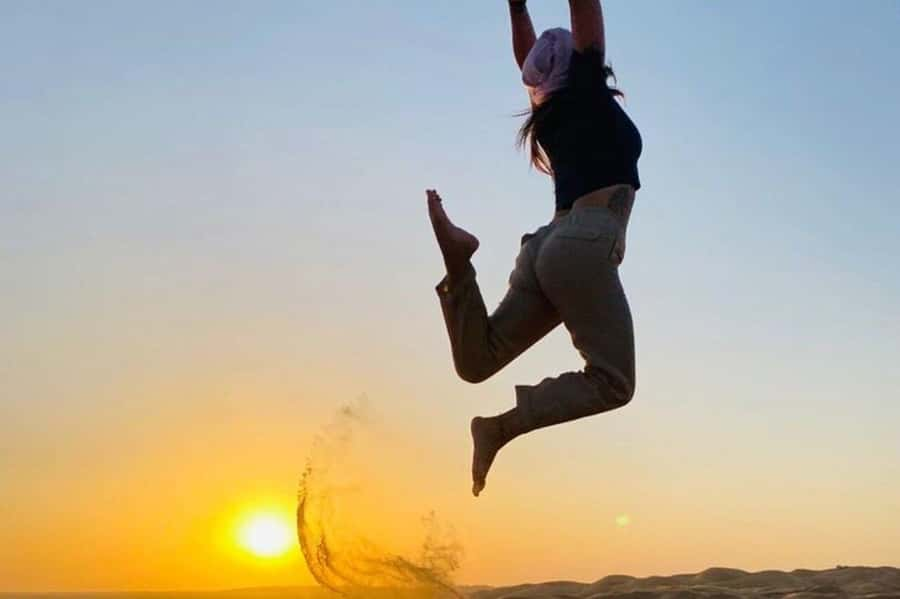
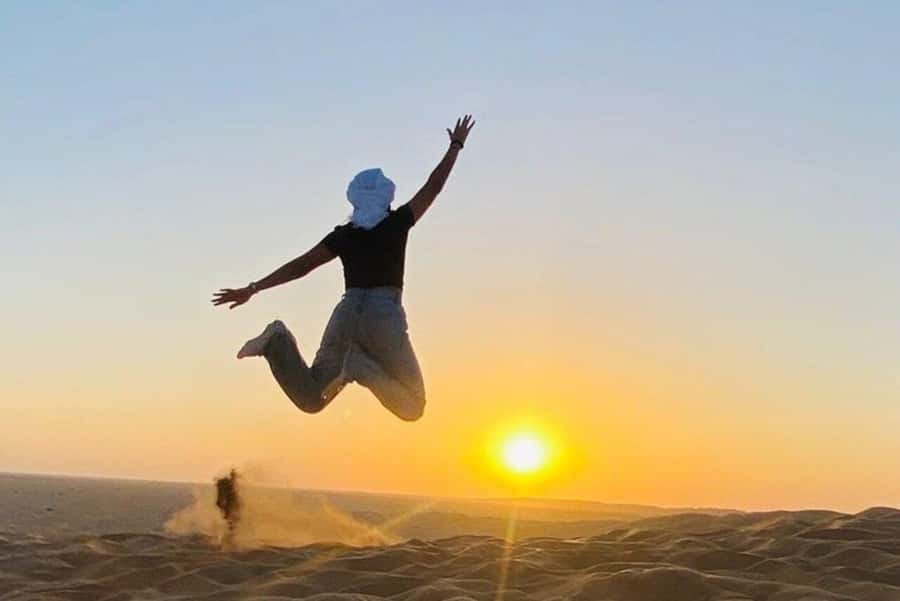
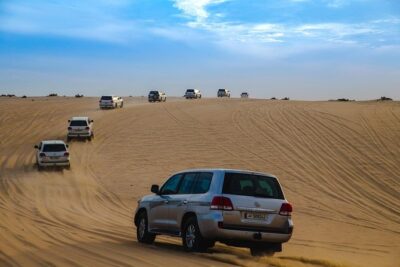
The final 2.5-hour section is the emotional high point. You can expect broad dunes, a sense of open space, and a sunset that makes the sand look almost painted. The drive may include dune bashing, which adds a jolt of fun to an otherwise long day. If you prefer a calm ride, tell your guide early. The private setup makes that request easier than it would be in a large shared vehicle.
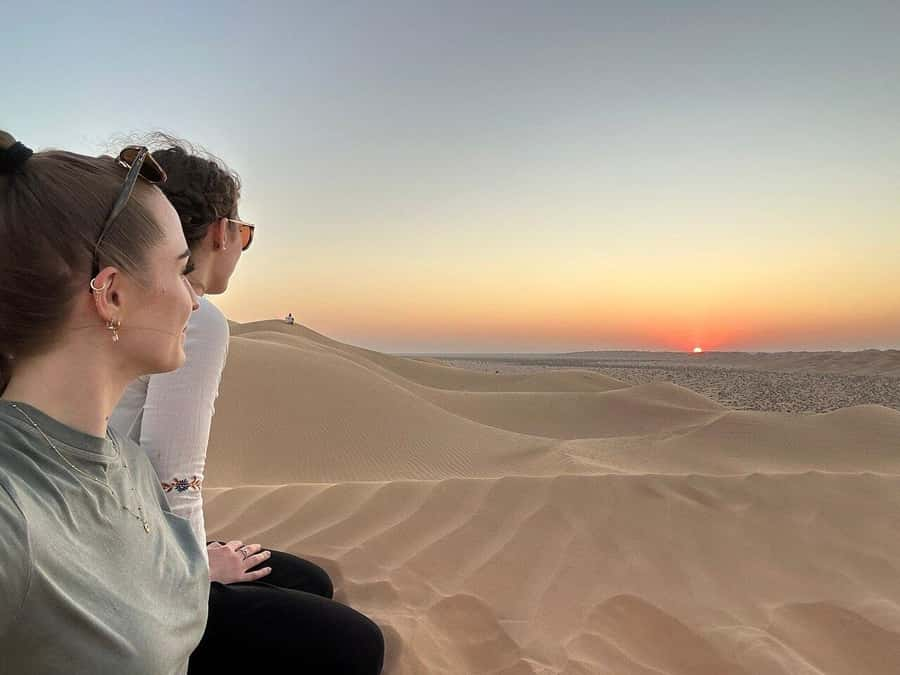
The sunset stop is also where the day’s rhythm changes. The earlier visits are about places and culture. The desert is about space, color, and the simple pleasure of watching the light fade across the dunes. One guide has been praised for parking away from the main crowd, a useful detail if you want photographs without a line of vehicles in every frame.
Do not expect complete solitude. Another vehicle became stuck in the sand during one outing, creating dust and noise at sunset. Rubbish has also been noticed in parts of the desert. These are reminders that the setting is beautiful but not untouched. A good guide can help you find a quieter spot, but no operator can control every vehicle or visitor.
More Private Safaris in the world:
- Udawalawe National Park | Private Safari Tour
★ 5.0 · 1,499 reviews - Private Morning Desert Safari Dubai with Dune Bashing & Sandboard
★ 5.0 · 1,488 reviews - Private Half Day Desert Safari
★ 5.0 · 1,350 reviews
Wadi Dawkha and the old frankincense trees
The first major stop is Wadi Dawkha, with about 1.5 hours for a visit and guided touring. The valley is known for its frankincense trees, some believed to be centuries old. Their twisted trunks and low, irregular branches look almost sculpted against the dry valley and mountains.
This stop gives the whole trip useful context. Frankincense is not simply a souvenir from Oman. It shaped trade across the region, and the trees help explain why old routes crossed this part of Dhofar. Your guide can point out the trees and discuss the local setting, while you get time to walk and take photographs.
Wear proper walking shoes here. The tour calls for a moderate amount of walking, and the ground around natural and archaeological sites may not be smooth. Light clothing, a hat, sunscreen, and water will make the first half of the day easier.
Wadi Dawkha is not a lush garden. If you expect Salalah’s green season, you may find the dry valley stark. That is also its appeal. The frankincense trees are easy to appreciate because there is so little around them to distract you.
Karak tea and a taste of Thumrait
The stop in Thumrait lasts about an hour and includes local Omani Karak tea. Coffee and tea are included, along with light snacks and bottled water. Dates may also be offered, adding a small but welcome taste of local hospitality.
This is a modest stop, not a full meal. Meals are not included, so eat a proper breakfast and consider bringing extra water or snacks, especially if you are not used to long days in the sun. The included refreshments are useful, but they should not be treated as lunch.
The tea stop also breaks up the driving. The route covers a lot of ground, and a short pause in a village is more pleasant than staying in the vehicle from one photo stop to the next. You get a glimpse of daily life in Thumrait while your guide explains the area and prepares you for the desert portion.
Language can shape this part of the experience. The advertised guiding languages are Arabic, English, and Italian. Mohammed is known for speaking Italian very well. Abdullah speaks English but has prepared Italian recordings for site explanations, which is a thoughtful solution for Italian-speaking visitors.
Ubar and the story of desert caravans
The visit to Ubar takes about 1.5 hours. This archaeological site was once a stopping point for frankincense caravans and is presented as a UNESCO World Heritage Site. Its value comes from its setting as much as from what you see on the ground.
Ubar helps connect the scattered parts of the day. The frankincense trees at Wadi Dawkha show where the product came from. Thumrait offers a local pause along the route. Ubar shows how caravans moved through this harsh interior toward wider trade networks.
Do not expect a large urban ruin with walls and streets to explore for hours. The attraction is the combination of archaeology, desert travel, and the old caravan story. Your guide matters here because the physical remains may need explanation to make sense.
Bring your camera, but also listen to the site explanation. A photo alone cannot show why a remote desert location became important. The best guides add meaning without turning the stop into a lecture. Mohammed has been praised for giving cultural information in a respectful, measured way, while Abdullah has been described as friendly and good at making explanations accessible.
More sunrise and sunset drives around the world:
- Teide National Park Sunset & Stargazing with Dinner (Star Safari)
★ 5.0 · 2,601 reviews - Teide National Park: Sunset & Stargazing Safari with Dinner
★ 4.6 · 2,115 reviews - Dubai: Sunrise Desert Jeep Safari with Wildlife Experience
★ 4.7 · 1,782 reviews - 3 Hour Off-Road Sunset Safari to Grand Canyon with Entrance Gate Detour
★ 5.0 · 904 reviews
Meeting the black camels
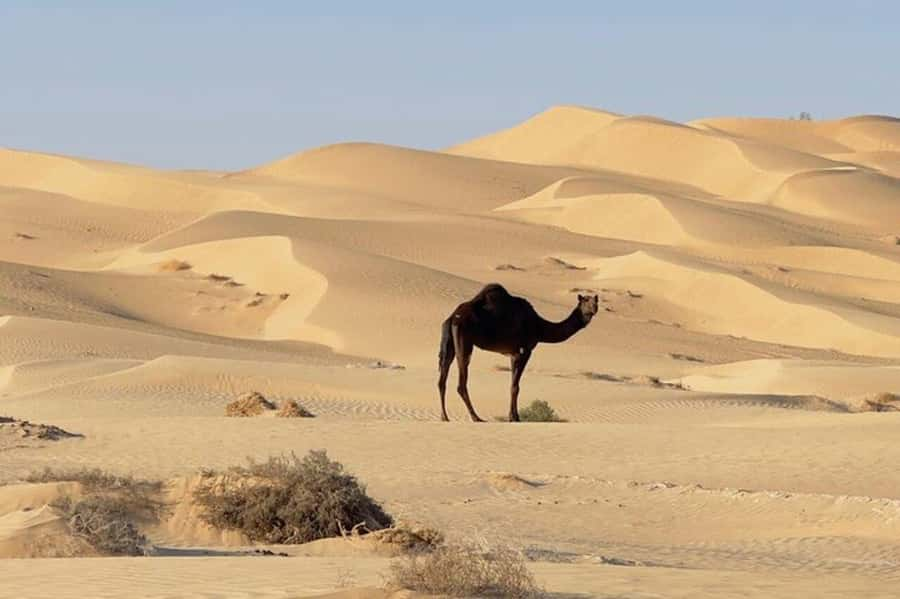
The black camel stop is one of the tour’s most unusual details. You are not only looking for the standard tan camels often associated with desert trips. The tour takes you to see black camels, a distinctive breed found in the region.
This stop is likely to appeal to anyone interested in animals, local life, or photography. It also gives the day a human scale. After the ancient trees and archaeological site, you see animals that remain part of the region’s identity.
Keep your expectations sensible. The supplied details do not promise camel riding, feeding, or a farm visit with a set program. The confirmed experience is seeing the black camels. Ask your guide before approaching animals, and follow local instructions.
The stop is valuable because it is specific to southern Oman. Many desert tours focus only on sand driving. Here, the camels help you understand that the desert is not an empty backdrop. People, animals, trade, and natural resources all belong to the story.
What the private Jeep ride adds
Transportation is by private Jeep or SUV, with hotel pickup and drop-off. The available pickup points include major Salalah hotels such as Fanar Hotel and Residences, Hilton Salalah Resort, Millennium Resort Salalah, Crowne Plaza Resort Salalah, Salalah Rotana Resort, Al Baleed Resort Salalah by Anantara, and others.
The guide waits in your hotel lobby, which keeps the start simple. You do not need to find a meeting point in the city. Drop-off is available at the listed Salalah hotels as well.
Private touring matters most on a long route. You can ask to spend more or less time at a stop, within the day’s schedule. One private outing was adjusted around the group’s wishes, with extra time at some places and less at others. That flexibility is hard to get on a fixed coach tour.
The trade-off is cost. At about $90 per person, the price is reasonable if you are sharing the private vehicle with several people and want the convenience of hotel pickup, a dedicated guide, and a long desert route in one day. It is less attractive for a solo visitor or a couple focused only on sunset, since much of the price reflects distance and the number of stops.
Driving comfort also matters. One person found the ride somewhat long, and that is fair. Wadi Dawkha, Thumrait, Ubar, the camel stop, and the Rub’ al Khali are spread across a large area. You are buying access to a remote route, not a short local excursion.
Timing, walking, and what to pack
The experience is described as lasting about eight hours, with availability shown from eight hours up to two days depending on the selected option. The detailed plan is a full-day outing, so confirm the exact duration and starting time before you book.
The listed schedule gives about 1.5 hours at Wadi Dawkha, one hour in Thumrait, 1.5 hours at Ubar, and 2.5 hours for the final desert and photo stop. Travel time links all of these visits, which explains why the day can feel long.
Pack:
- Comfortable walking shoes
- A hat
- Sunscreen
- A camera
- Extra water
- Light clothing
- A small snack if you need more than the included refreshments
Smoking is not allowed. The tour is not suitable for pregnant women, people with back problems, or wheelchair users. The dune driving and moderate walking are the main reasons to take those restrictions seriously.
The best clothing is practical rather than stylish. Loose, light clothing protects you from the sun, while closed shoes help around the valley, archaeological site, and sand. The desert can also feel different from Salalah’s coast, so do not rely on the cooler, more humid conditions you may have at your hotel.
The guides can shape the whole day
The strongest personal praise has gone to Mohammed and Abdullah. Mohammed has guided Italian-speaking visitors with fluent Italian and has been described as professional, friendly, and careful. His value is not just translation. He explains the country, culture, trees, desert, and local life in a way that gives the stops a clear connection.
Abdullah has also made a strong impression. He has handled groups speaking little English by using recorded Italian explanations at the sites, then added his own warmth to the day. His hospitality has included tea, music, dancing in the vehicle, and even a small perfume gift for a child in one group.
Those details cannot be guaranteed on every departure, and the assigned guide may vary. Still, they show how much the guide can affect a private tour. You are spending many hours together, so a patient driver who enjoys sharing Oman can make the long road feel lighter.
Language support is available in Arabic, English, and Italian. If language is important to your booking decision, request your preferred option in advance rather than assuming a particular guide will be assigned.
Is this the right Salalah day trip for you?
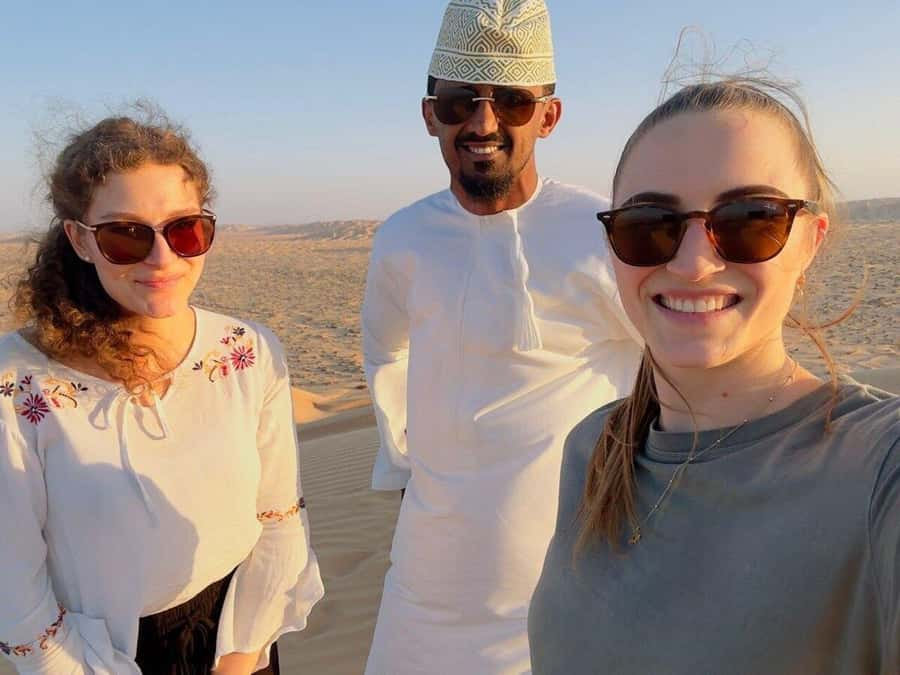
I would choose this tour if you want more than a quick dune ride. The route combines frankincense, village life, archaeology, camels, and sunset, so the desert feels like part of a larger Dhofar story.
It suits couples, families with older children who can manage a long day, and small private groups. It is also a good fit for Italian speakers who want a strong chance of clear communication. Photographers will appreciate the trees, camels, archaeological site, and changing light on the dunes.
I would think twice if you dislike long drives, bumpy desert routes, or walking in sun. The tour is not wheelchair accessible and is not suitable for people with back problems or pregnant women. If your only goal is a sunset photo, a shorter local outing may be more efficient, though it will not include the full range of stops.
Free cancellation is available up to 24 hours before departure, and you can reserve now and pay later. Those terms give you some flexibility, but the more important decision is physical comfort. This is a full day in a private vehicle, not a relaxed resort activity.
Should you book the Rub’ al Khali sunset tour?
Book it if you want the biggest desert experience available from Salalah, with cultural stops before the dunes and a guide who can adjust the pace. The sunset, high sand dunes, and private vehicle are the strongest reasons to go.
The $90 price per person offers good value when shared among a private group, especially with transport, guiding, water, tea, snacks, and hotel pickup included. Just allow for a long road day, bring sun protection, and do not expect meals or guaranteed solitude in the desert.
For most people with a free day in Salalah, this is a worthwhile choice. The sunset is memorable, but the real strength is the complete route: frankincense trees, Karak tea, Ubar, black camels, and the vast Rub’ al Khali in one well-planned outing.
FAQ
How long does the Salalah desert safari last?
The experience is presented as lasting from eight hours to two days, depending on the selected option and availability. The detailed route is planned as a full-day tour, so confirm the exact timing when booking.
What places does the tour visit?
The route includes Wadi Dawkha, Thumrait, Ubar, a black camel stop, and the Rub’ al Khali desert. The day ends with a desert sunset and a photo stop.
Is hotel pickup included?
Yes. Pickup and drop-off are available at listed Salalah hotels, and the guide waits in the hotel lobby.
What languages are available for the guide?
Guiding is available in Arabic, English, and Italian. Mohammed speaks Italian, and Abdullah has used recorded Italian explanations for site visits.
Are food and drinks included?
Light snacks, coffee or tea, and bottled water are included. Meals and personal expenses are not included.
Who should not take this tour?
The tour is not suitable for pregnant women, people with back problems, or wheelchair users. You should also be prepared for moderate walking, sun exposure, and a long day in a private Jeep or SUV.
New safaris around the world
- Safari Camel Ride in Banana Beach from Agadir★ 5.0 · 10 reviews
- Agadir Quad Bike Safari Desert Sunset★ 5.0 · 29 reviews
- Agadir Buggy safari / off road Experience Half Day | Adventure & Connections ®★ 4.5 · 65 reviews
- Agadir Buggy Safari Adventure★ 5.0 · 93 reviews
- Full-Day Safari Small Desert With Lunch★ 4.5 · 224 reviews
- Agadir Jeep safari 4×4 Desert Adventures with Lunch★ 5.0 · 365 reviews
- Agadir National Park & 4×4 Jeep Desert Safari Tour with Lunch★ 4.5 · 30 reviews
- Jeep safari 4×4 mini sahara desert with Berber Lunch★ 5.0 · 130 reviews
Private Safaris: how they compare.
Udawalawe National Park | Private Safari Tour
Read our review →
Private Morning Desert Safari Dubai with Dune Bashing & Sandboard
Read our review →
Mount Batur: Private Volkswagen Volcano Safari
Read our review →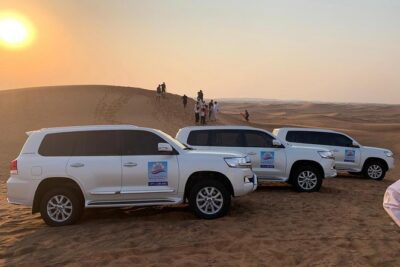
Private Evening Desert Safari with BBQ Dinner & Sand Boarding
Read our review →

Other lists this safari sits on