
Review · MPUMALANGA
Kruger National Park: Morning Safari
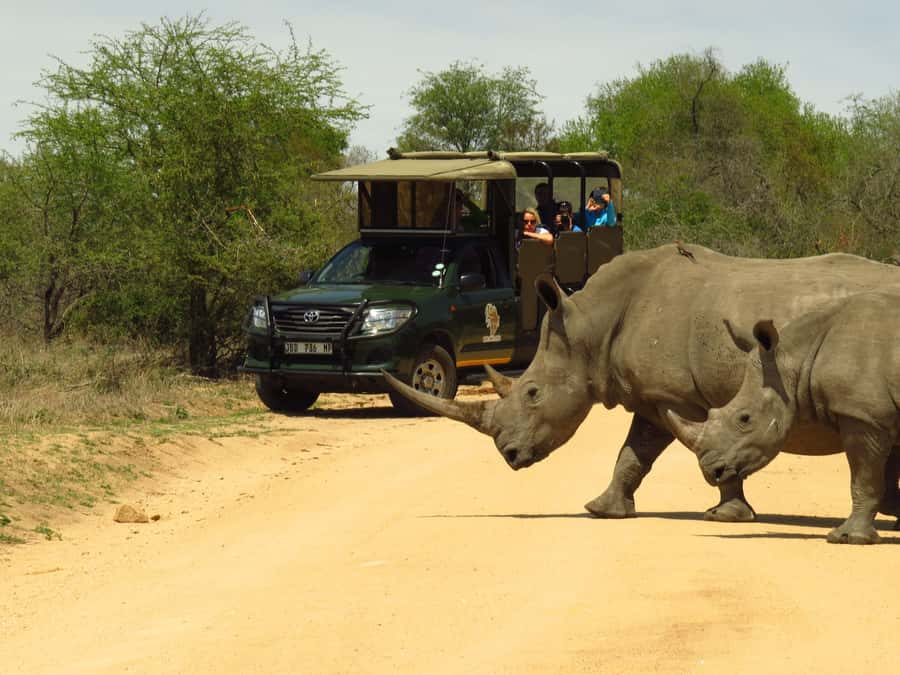
The best part of this safari is the private vehicle, which gives your group room to focus on the animals and photography rather than follow a fixed crowd. Morning hours are a smart choice, too: the roads are cooler, and you have a good chance of seeing wildlife before the heat of the day changes animal behavior. I especially like the included guide and mineral water, plus the chance to stop for breakfast at a Kruger rest camp. The catch is that meals and park conservation fees are extra, so the $249 price is not the full cost.
This is a strong fit for families with older children, couples, and photographers who want six hours with one guide and no strangers sharing the vehicle. Guides make a real difference here. Steven, named in one detailed account, supplied warm protective clothing in cool, wet weather and positioned the vehicle carefully for photographs. Just remember that even a skilled guide cannot promise every Big Five animal, and the tour is not suitable for children under 3 or pregnant women.
Key points at a glance
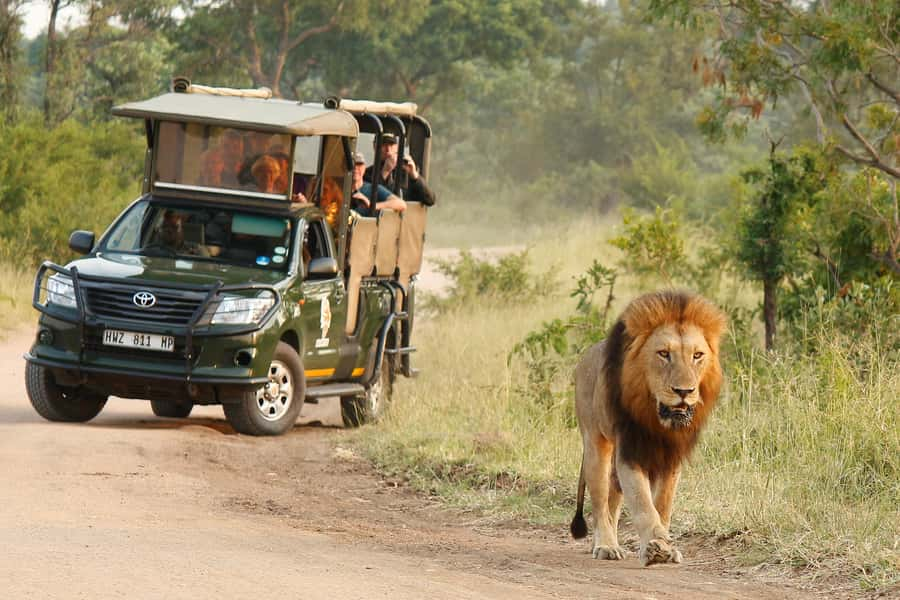
- Private safari for up to 10 people: You get a vehicle and guide for your own group, useful for families and photographers.
- Morning wildlife search: Six hours on Kruger’s road network gives you time to look for lions, buffalo, cheetahs, rhinos, elephants, and other animals.
- Professional English-speaking guide: Your guide handles the driving, animal spotting, park route, and explanations.
- Rest-camp breakfast stop: Food is available for purchase, but meals are not included in the tour price.
- Weather-ready planning matters: Bring warm clothes in winter, and a hat and rain jacket in summer.
- Extra park fees apply: International visitors pay R602 per adult and R300 per child aged 2 to 11. South African citizens with ID pay R134 per adult and R67 per child.
A six-hour start in Kruger National Park
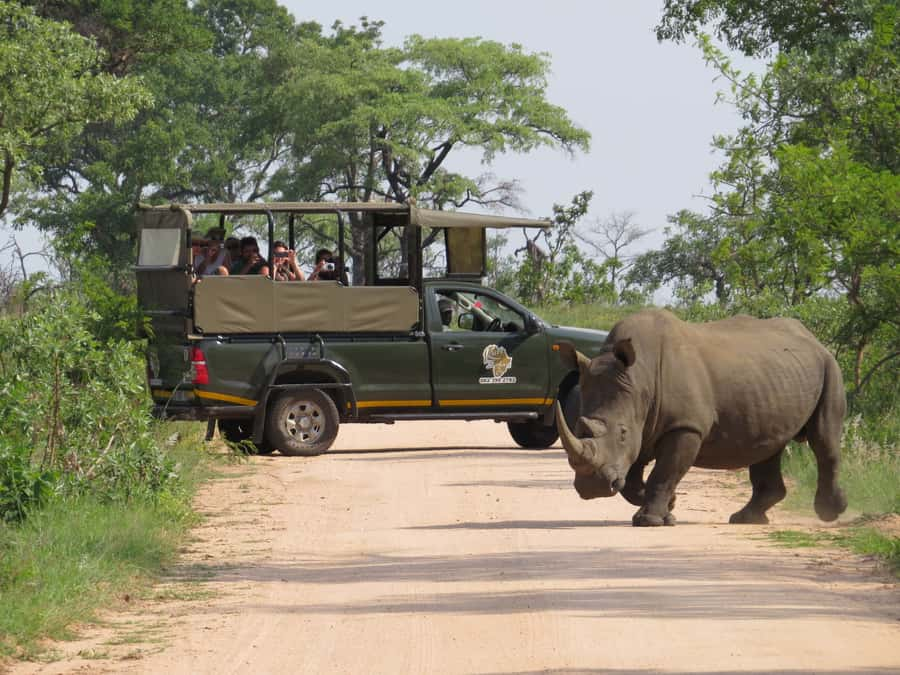
The day begins with pickup from your accommodation or one of Kruger’s park gates. You need to contact Kurt Safari PTY LTD the day before to confirm the pickup time and meeting place. Since the exact departure time depends on availability, check it before you arrange breakfast, transport, or another activity later in the day.
Once you are in the private safari vehicle, the main plan is simple: follow Kruger’s road network, keep watch, and let the guide build the route around animal sightings. The park covers about 2,000,000 hectares, so six hours gives you a useful taste of its scale, but not a complete tour of the reserve.
That size is part of the appeal. You are not visiting a small wildlife enclosure with animals placed for easy viewing. You may spend time driving between sightings, then suddenly stop for a pride of lions, a large buffalo herd, or a smaller creature at the roadside. The open space makes each sighting feel earned.
The advertised road network covers roughly 200 kilometers. Your guide chooses where to go based on the morning, recent sightings, road conditions, and the group’s interests. You should expect a moving safari rather than a series of scheduled stops. That is good for wildlife watching, but it also means some stretches may pass without a major animal sighting.
More National Park Safaris in South Africa
- From Johannesburg: Pilanesberg Nature Reserve Game Safari
★ 4.8 · 1,327 reviews - Addo Elephant National Park All Inclusive Full-Day Safari
★ 4.8 · 872 reviews - Kruger National Park Full Day Private safari
★ 5.0 · 799 reviews
Why the morning timing matters
Morning is one of the better windows for a safari. The air is often cooler, and animals may still be active before the day becomes hot. The tour description specifically focuses on the chance for rare morning glimpses of wildlife and the Big Five, meaning lion, leopard, elephant, buffalo, and rhino.
Still, you should keep your expectations sensible. A morning departure improves your chances of seeing active animals, but no guide can control where wildlife goes. The detailed account from Cameron gives a good sense of the possible range: the group saw lions, moved through a large buffalo herd, found a cheetah, and searched for rhino without success. That is a normal safari lesson. One exciting animal may appear while another stays out of sight.
The guide’s work is not limited to finding famous animals. Cameron also described being shown small creatures along the road that would have been easy to miss. That is valuable because Kruger is not only about ticking off the Big Five. Smaller sightings and the stories connected to the land can make the drive feel more rewarding.
A private vehicle that works for real groups
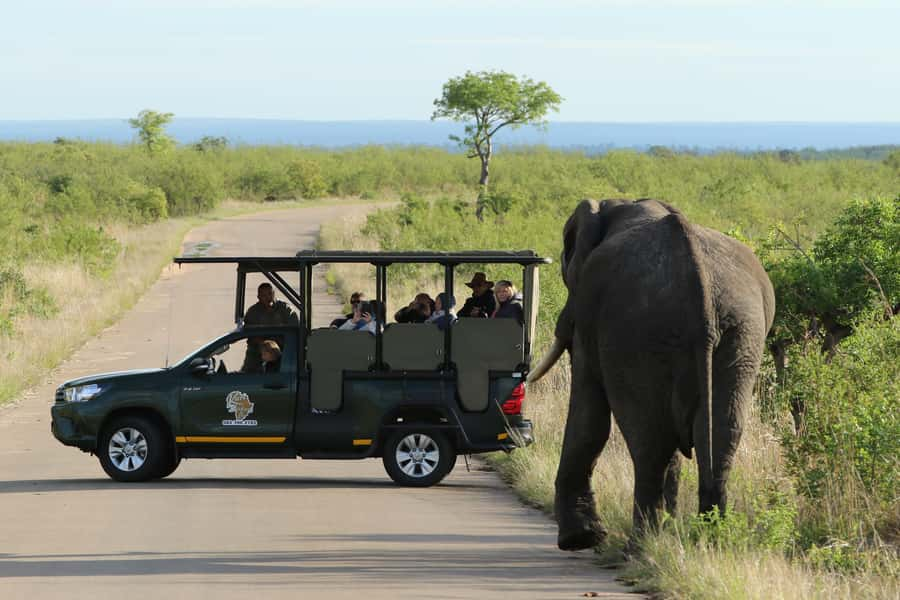
The price is $249 for a group of up to 10 people. For a full group, that works out to less than $25 per person before park fees, which is a good value for a private six-hour vehicle and guide. For only two people, the per-person cost is much higher, but you gain privacy and control over the outing.
A private group also makes this easier to tailor to your own pace. Families can keep together, couples do not need to share a row with strangers, and photographers have a better chance of discussing positioning with the guide. If one person wants to spend extra time watching a lion or a bird, the group can communicate directly with the guide.
The tradeoff is that the vehicle can hold up to 10 people, and the listing does not promise a specific seating arrangement or vehicle layout. If your group is large, ask how seating works before booking, especially if photography is your main goal. The word private means the group is yours, but it does not automatically mean everyone has an unobstructed view at all times.
What the guide adds to the drive
A good guide turns a long road ride into a search with purpose. Your guide drives, watches the roadside, explains animal behavior, and helps you understand the park as you move through it. The experience is offered in English, and professional guiding is included.
The strongest practical detail comes from Cameron’s outing with Steven. Wind and light rain made the main road uncomfortable, so Steven provided protective clothing. He also drove and parked with photo opportunities in mind, then made an effort to find cats and cheetahs. Those are useful guide skills: comfort, patience, route choices, and positioning all matter when an animal appears for only a short time.
Steven also shared stories about the land connected to his ancestors. That kind of personal context can add something a standard animal checklist cannot. You should not assume Steven will lead every departure, but his example shows the sort of thoughtful guiding this activity aims to provide.
The guides also explain what you are seeing. One account describes a guide giving detailed information about the animals and trying hard to find as many species as possible. That effort is especially useful for first-time safari visitors, who may not know where to look or why an animal is behaving in a certain way.
More sunrise and sunset drives around South Africa:
- Kruger National Park sunrise Morning Private safari
★ 5.0 · 185 reviews - Aquila Game Reserve: Afternoon Safari
★ 4.4 · 166 reviews - Aquila Private Game Reserve: Sunset Safari with Entry Fee
★ 4.4 · 158 reviews - Exclusive Sunset Game Drive Safari near Hoedspruit
★ 5.0 · 41 reviews
Searching for the Big Five and beyond
Kruger is home to the Big Five and more than 140 mammal species. The tour puts the emphasis on wildlife sightings, but the broad range of species is what gives the morning depth. You may be watching for lions one moment and learning about a much smaller animal the next.
The clearest animal success described from the experience was a lion sighting, followed by a huge buffalo herd and a cheetah. The group also tried to find rhino. This makes the tour sound honest rather than overly scripted: you can have an excellent day without seeing every major animal.
Photographers should pay attention to the guide’s approach. Good positioning can make the difference between a quick glimpse and a useful photograph. You should still bring realistic expectations. The tour supplies a vehicle and guide, not camera equipment, and wildlife will not pose on command.
If your main goal is one particular species, tell the guide at the start. The account involving Steven shows that he made a focused effort to search for cats and cheetahs. A private tour gives you a better chance of explaining those priorities than a larger shared outing would.
Rest-camp breakfast, with an extra bill
Breakfast stops are available at Kruger rest camps, where you can choose from a range of dishes. This is a sensible break during a six-hour drive. You get a chance to stretch, eat, and refresh before returning to the roads.
Meals are not included, so bring a payment card or budget for breakfast. The supplied information does not give a set menu or price, so you should not treat the stop as part of the $249 package. Mineral water is included throughout the tour, which is helpful in a hot, dry setting.
The rest-camp stop also breaks up the rhythm of the safari. Wildlife watching requires patience, and a short pause can help children and less experienced safari passengers stay comfortable. On the other hand, every stop uses some of your six hours, so photographers focused only on sightings may prefer to keep the break short.
Weather, clothing, and comfort
Kruger mornings can feel very different by season. In winter, bring warm clothing. In summer, bring cool clothing, a hat, and a rain jacket. The advice is worth taking seriously because an open safari vehicle can feel cold when moving, even if the day later becomes warm.
Cameron’s experience shows why layers matter. Wind and light rain appeared during the drive, but Steven supplied protective clothing to keep the group warm. That is a useful service when available, though I would still pack your own outer layer rather than rely entirely on the operator.
You should also bring a passport or ID card. A copy is accepted. Alcohol and drugs are not allowed, which is standard and important for a national park excursion. The tour is not suitable for pregnant women or children under 3.
The extra cost of entering the park
The $249 group price covers the professional guide, safari vehicle, and mineral water. It does not include meals or Kruger’s conservation fees.
International visitors pay R602 per adult and R300 per child aged 2 to 11. South African citizens with ID pay R134 per adult and R67 per child aged 2 to 11. These fees must be paid by card to help speed up entry into the park.
This changes the value calculation. A full group of 10 can make the vehicle price very attractive, but a smaller group should add the relevant conservation fees before comparing this safari with other options. The operator has not bundled those fees into the advertised price, so plan for them separately.
For a couple, the experience may still be worth the higher per-person cost if privacy, photography, and a dedicated guide matter to you. For a family or larger party, the cost spreads more comfortably across the group.
Who will get the most from this safari
I would choose this outing if you want a private half-day introduction to Kruger rather than a full-day commitment. Six hours is long enough to see a useful section of the park and short enough to fit around other plans.
It suits families with children aged 3 and older, particularly those who may find a longer safari tiring. Couples can enjoy the privacy, while photographers gain more say in where the vehicle stops and how long the group watches an animal.
It is also a good match for first-time safari visitors. The guide supplies context, handles the driving, and helps you notice animals that might blend into the roadside. You do not need to know Kruger’s roads or animal behavior before you arrive.
I would think twice if you need guaranteed sightings, a specific departure time, included meals, or a full-day route across a large part of the park. Wildlife is unpredictable, and the six-hour format gives you a strong morning outing, not an exhaustive Kruger experience.
Booking details worth knowing
You can cancel up to 24 hours in advance for a full refund, and the reserve-now, pay-later option keeps your plans flexible. Check starting times before booking because availability determines the exact schedule.
Confirm pickup with the provider one day before the tour. That small step matters in a huge park area where accommodation and gate meeting points can be far apart. Bring your ID, clothing suited to the season, and a card for conservation fees and any breakfast you buy.
The experience has a five out of five rating from 22 reviews, with repeated praise for clear communication, punctual pickup, animal explanations, and determined guiding. The most specific account also praised the care taken with bad weather and photography. Those are the qualities I would value most, since they affect the whole six-hour outing rather than one lucky sighting.
Should you book the Kruger morning safari?
Book it if you want a private, guide-led morning with a reasonable group price, especially if you can fill several seats. You get six hours, a professional English-speaking guide, a private vehicle, mineral water, and a serious search for the Big Five and other wildlife.
Add the conservation fee and breakfast costs before deciding. Also accept that rhino, leopard, or any other animal may remain elusive. If you can live with that uncertainty, this looks like a practical way to experience Kruger without committing to a full day. For the best fit, choose it for privacy, flexible wildlife watching, and guide-led learning, not for a guaranteed animal checklist.
FAQ
How long is the Kruger morning safari?
The safari lasts six hours. Starting times depend on availability, so check the schedule when booking.
Where does pickup take place?
Pickup is included from your accommodation or from one of Kruger National Park’s gates. Contact the activity provider one day before the tour to confirm the exact pickup time and venue.
Is the safari private?
Yes. It is a private group experience for up to 10 people, with a professional guide and safari vehicle.
What is included in the price?
The price includes the professional guide, safari vehicle, and mineral water. Meals and park conservation fees are not included.
How much are the conservation fees?
International visitors pay R602 per adult and R300 per child aged 2 to 11. South African citizens with ID pay R134 per adult and R67 per child aged 2 to 11. Payment must be made by card.
What should I bring?
Bring a passport or ID card, with a copy accepted. Wear warm clothing in winter. In summer, bring cool clothing, a hat, and a rain jacket.
Can young children join the safari?
Children under 3 are not permitted. The experience is also not suitable for pregnant women.
New safaris around South Africa
- Stellenbosch North Guided Wine Safari (Tastings Included)★ 4.9 · 16 reviews
- Stellenbosch: Horse Riding Wildlife Safari★ 4.9 · 14 reviews
- Stellenbosch North Guided Wine Safari (Tastings Excluded)★ 4.6 · 20 reviews
- Cape Town: Garden Route and Addo Elephant Park 6-Day Safari★ 4.7 · 175 reviews
- Schotia Safaris: Best Wildlife Encounters in Port Elizabeth★ 4.6 · 89 reviews
- Schotia Private Game Reserve Safari★ 4.7 · 35 reviews
- Safari into Schotia Half Day Tour★ 4.9 · 13 reviews
- Port Elizabeth: Schotia Safaris Game Reserve Safari★ 4.7 · 74 reviews
Mpumalanga Safaris: how they compare.
Marloth Park: Kruger National Park Safari Game Drives
Read our review →
Open Vehical Safari in Kruger National Park Half Day
Read our review →
Other lists this safari sits on