
Review · SRI LANKA
Hambantota Port: Udawalawe Safari Tour & Transit Home Visit
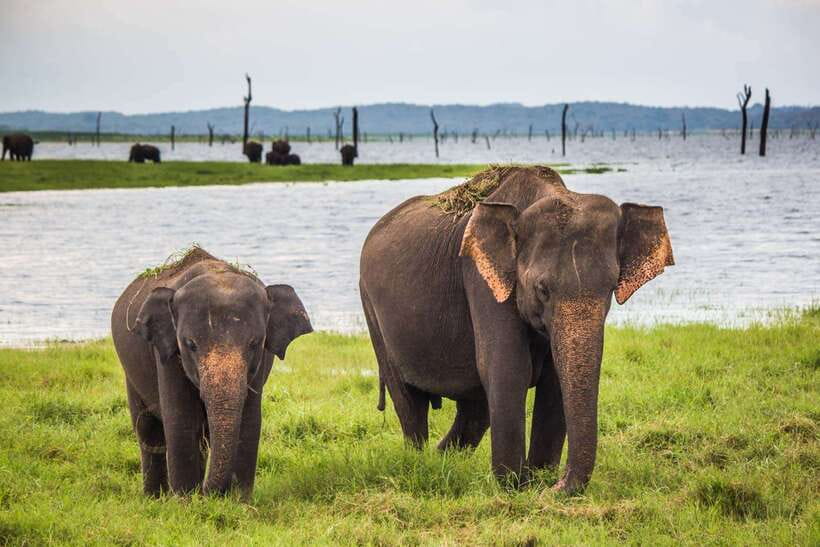
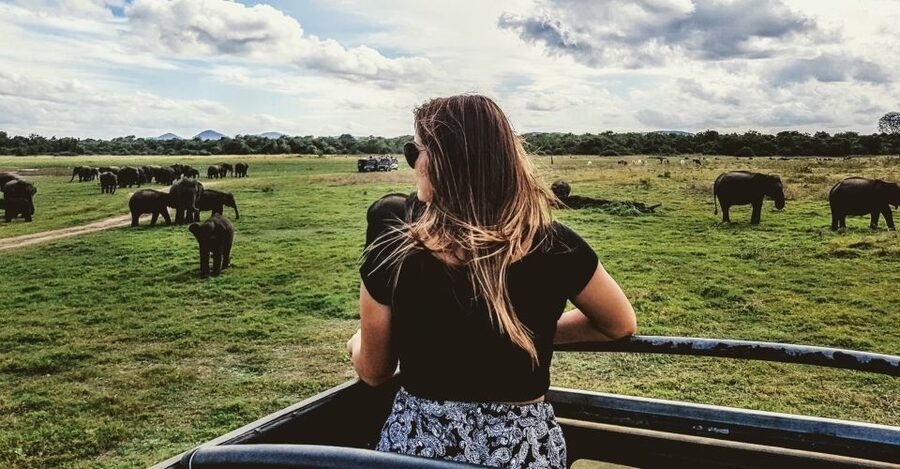
Udawalawe is the main event here: a broad Sri Lankan wildlife sanctuary where elephants are often easy to spot, sometimes at surprisingly close range. After the jeep ride, you visit the Elephant Transit Home, where young rescued elephants are fed and prepared for a return to the wild.
I like the direct port pickup and the way this tour combines two very different experiences in four hours. I also like that the guide explains animal habits instead of leaving you to guess what you are seeing. The catch is simple but important: the $51 price does not include the Udawalawe entrance and service charge, listed as 11,000 Sri Lankan rupees, about $37, and other admission costs may need checking before you go.
Key points to know before you book
- Elephants are the strongest draw: Udawalawe is especially well known for Sri Lankan elephants, and several outings produced large numbers of close sightings.
- The safari is by jeep: You explore the park with a professional driver or guide who points out animals and explains their behavior.
- The Elephant Transit Home adds a second viewpoint: You see young elephants at feeding time and watch them play before they return to the wild.
- The total cost is higher than the advertised fare: Budget for the separate 11,000-rupee park and service fee, plus any additional entrance charge for the transit home.
- Port pickup needs care: Confirm your terminal and meeting point. One account describes a long walk between Terminal 1 and Terminal 2.
- Four hours moves quickly: This is a good shore excursion, but it is not a slow, full-day safari.
Why Udawalawe works well from Hambantota Port
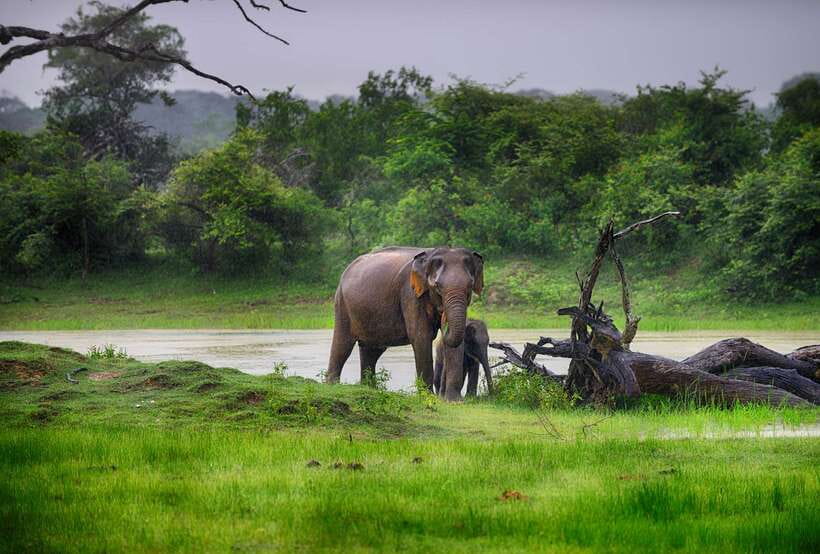
If your ship calls at Hambantota, Udawalawe gives you a strong taste of Sri Lanka beyond the port area. The drive takes you toward one of the country’s best-known wildlife sanctuaries, then the safari shifts the pace from road travel to open-air animal watching.
I like this pairing because it gives you more than a standard sightseeing stop. You are not simply looking at an attraction built for visitors. The park is a protected animal habitat, and the transit home focuses on rehabilitation rather than permanent display.
The timing is the main limit. The whole experience lasts four hours, including transport from the Hambantota area, the jeep safari, and the elephant center. That leaves less room for long stops or repeated searches for animals. You get a compact introduction, not an all-day wildlife expedition.
That short format can be useful on a cruise call. You can see a substantial part of the region without committing your entire day. Still, you should check your ship’s departure time carefully and allow a sensible margin for the return to port.
More safaris around Sri Lanka:
- Udawalawe National Park | Private Safari Tour
★ 5.0 · 1,499 reviews - From Colombo: Sigiriya and Dambulla Day Trip with Safari
★ 4.7 · 842 reviews - Yala National Park Safari Tours: Morning/Evening/Full Day
★ 4.8 · 818 reviews
Pickup at Hambantota and the terminal details
Pickup is included from Hambantota Port and nearby hotels. You are asked to wait in the hotel lobby 10 minutes before the scheduled time, but port passengers need to pay close attention to the exact meeting point.
A practical problem has come up with terminal locations. If your ship is at Terminal 1 and the pickup is arranged at Terminal 2, the walk can take close to 30 minutes. That is not a small detail when you are carrying bags, working around security areas, or trying to meet a driver on a fixed schedule.
I would confirm these points before sailing:
- The terminal where your ship will dock
- The terminal where the vehicle will collect you
- The driver’s phone number or company contact
- The precise meeting spot
- The planned return time
The operator is Shehan Safari Jeep Tours, and communication has received strong praise. That matters for a port excursion, where a clear pickup plan can make the difference between a relaxed morning and a frantic one.
The drive to Udawalawe National Park
Once collected, you are driven toward Udawalawe, where the jeep portion begins. The transport is part of the practical value of the trip: you do not need to arrange a taxi, find a park entrance, or negotiate with a jeep driver after arriving in Sri Lanka.
The tour includes a professional driver or guide and a jeep safari inside the park. The exact division of driving and guiding can vary. Some outings used separate drivers and guides, while others relied heavily on the driver to explain what was happening.
Names associated with particularly well-regarded outings include Pathum, Danith, Trshad, and a driver named Mutu or Muthu. Do not assume one of these people will be assigned to your booking, but the detail gives you an idea of the personal service this operator can provide.
The guide’s role is more useful than simply getting you from one place to another. In a wildlife park, a small explanation can change what you notice. You may learn why elephants gather in certain areas, how monkeys move through their habitat, or where to look for reptiles and birds near water.
What you can see on the jeep safari
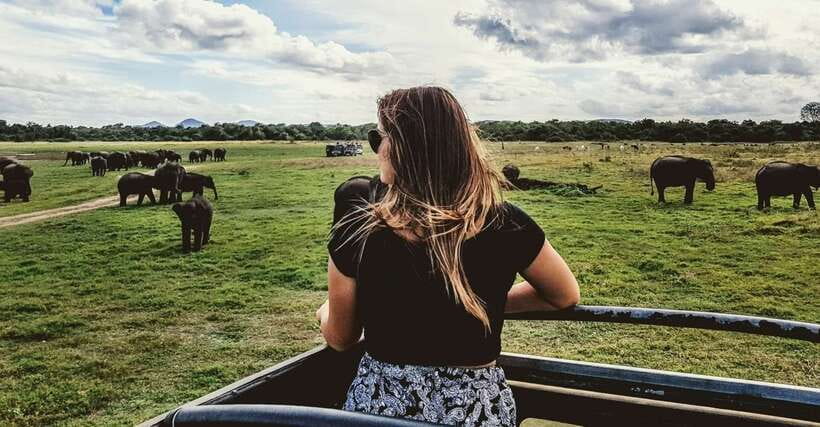
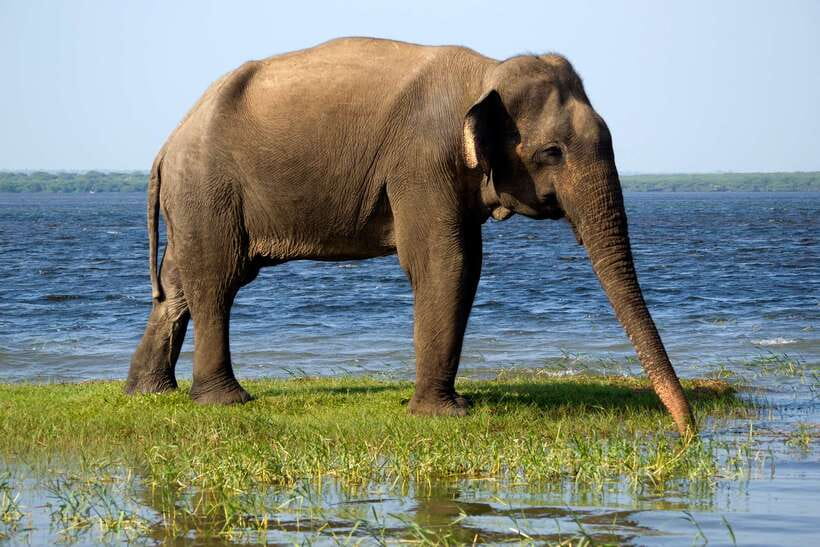
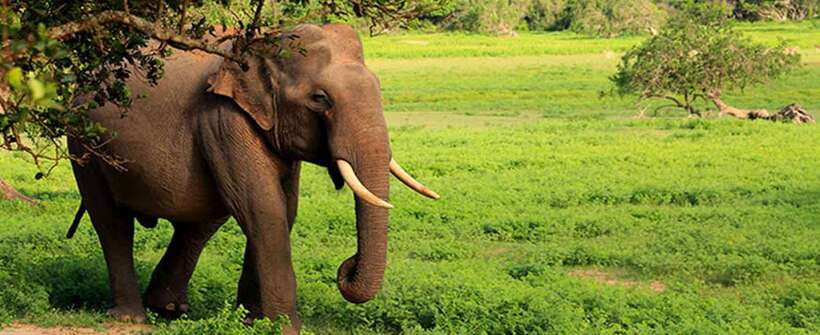
Udawalawe is especially associated with Sri Lankan elephants, so you should set your expectations accordingly. The strongest animal sightings reported from this experience have been elephants, with some groups seeing many of them and getting close views from the jeep.
The park is also home to:
- Water buffalo
- Crocodiles
- Monitor lizards
- Several kinds of monkeys
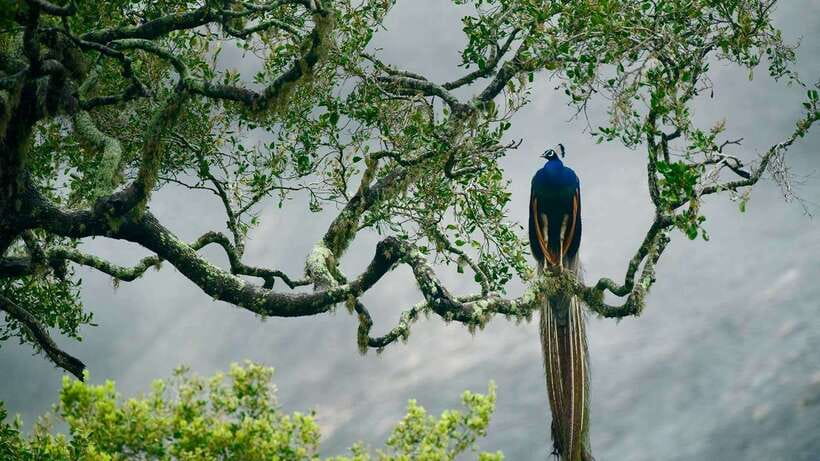
- Many birds
- Jackals
- The occasional leopard
One outing also recorded a wildebeest-like animal, though you should not treat any one sighting as guaranteed. A safari is shaped by animal movement, weather, time of day, and simple luck.
That unpredictability is part of the appeal, but it is also the main reason to keep your promises modest. You may see elephants within minutes, or you may spend time scanning the scrub and water edges before anything moves. The guide can improve your chances and explain what appears, but no safari can promise a leopard.
The park’s plant life is also part of the experience. The advertised focus is not only on animals but on their different habitats and the rare plants found in the sanctuary. You may find that the quieter stretches, where the jeep slows and the guide points out signs of animal activity, are just as interesting as the big sightings.
Same parks, another way to see the animals:
- Udawalawe National Park: Elephant Safari with Expert Guide
★ 4.9 · 641 reviews - Full day Safari – Yala National Park – 04.30 am to 06.00 pm with – Janaka safari
★ 5.0 · 603 reviews - Yala National Park: Half, 7-Hour, or Full-Day Safari & Meals
★ 4.8 · 489 reviews - From Sigiriya: Minneriya National Park Private Jeep Safari
★ 4.9 · 415 reviews
Why the elephants are the star attraction
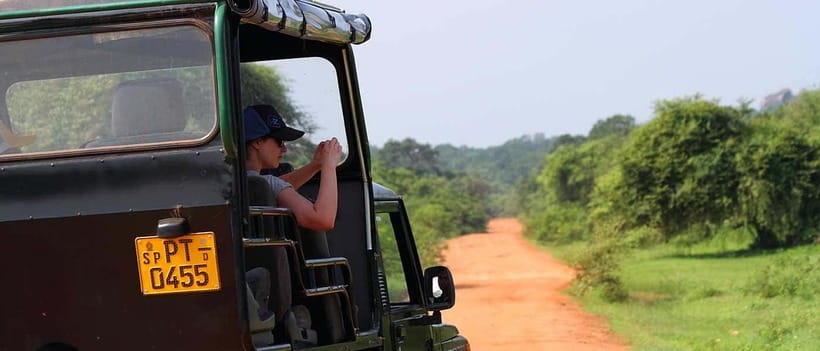
Sri Lankan elephants are the reason many people choose this tour, and Udawalawe is a sensible place to look for them. Several accounts describe elephants as the main sighting, with some appearing at close range from the jeep.
That does not mean the animals are performing for you. They are moving, feeding, resting, or crossing their habitat. The best viewing comes from staying patient and allowing the guide to position the vehicle without rushing the moment.
For families, photographers, and first-time safari visitors, elephants offer a good chance of seeing something memorable even during a short park visit. Their size makes them easier to notice than smaller animals, and watching a group move together gives you a clear sense of how the sanctuary functions.
You should still follow the guide’s instructions. A close animal sighting is exciting, but the jeep is there to observe, not interfere. The tour description emphasizes natural habitats, and that is the right way to think about the experience.
The Elephant Transit Home and feeding time
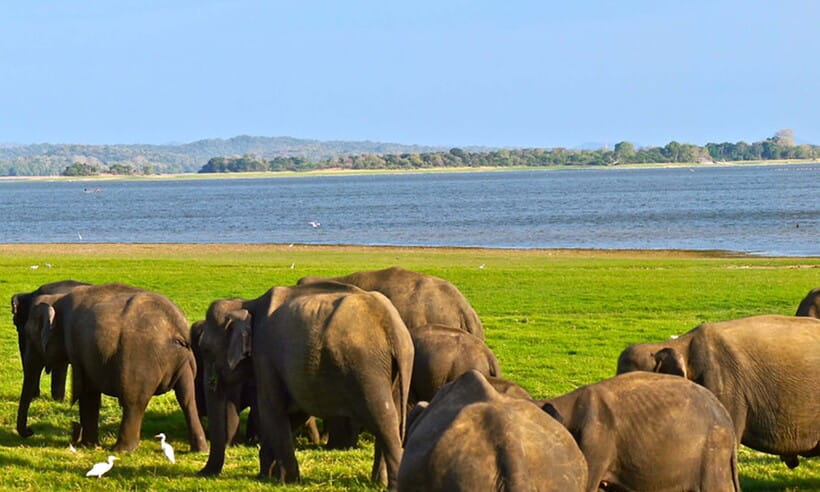
After the safari, you continue to the Elephant Transit Home. The center cares for young elephants that have been rescued and are being prepared for a return to the jungle.
This stop is different from a conventional animal attraction. The point is rehabilitation, so the young elephants are not meant to remain there as permanent exhibits. You watch feeding time and may see them playing, but the larger goal is their eventual release.
The center is described as Asia’s first elephant rehabilitation center and one of Asia’s largest elephant sanctuaries. Those labels explain why it has become an important stop, but the most useful detail for you is how the visit is timed: feeding gives you a clear moment when the elephants are active and visible.
I find this a good complement to the safari. In the park, you see wild elephants in their own habitat. At the transit home, you see the difficult middle stage between rescue and independence. The two stops show different parts of the relationship between Sri Lanka’s people and its elephants.
There is also a practical cost issue here. The package includes the visit, but the listed price does not include entrance fees. A separate admission charge for the elephant center has been flagged, and cash payment may be required. Bring enough Sri Lankan rupees and confirm the exact amount before leaving the port.
The guide makes the difference
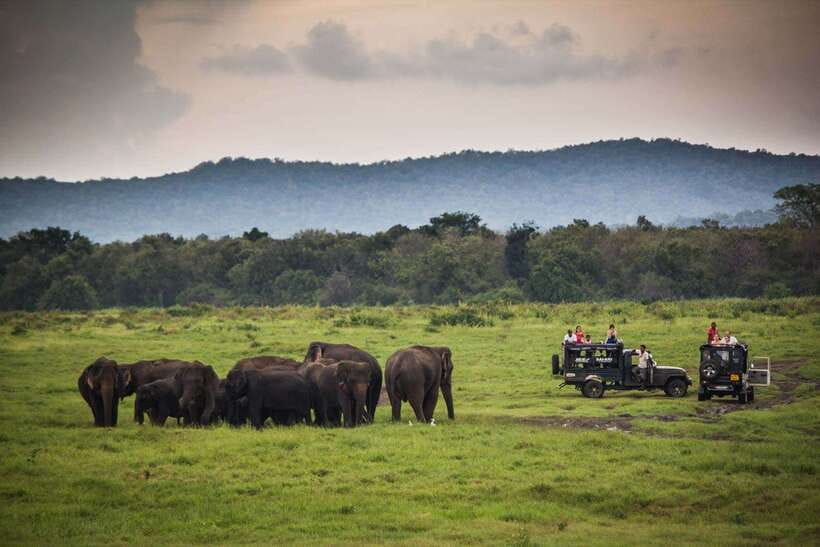
A wildlife safari can feel thin if the driver simply points toward animals and keeps moving. Here, the guide is expected to explain habits, lifestyles, and habitats throughout the drive.
That makes the tour more useful for someone who wants context rather than a series of quick photographs. You can ask about the animals you see, and a good guide can help you distinguish a monitor lizard from other reptiles, understand where crocodiles tend to appear, or identify the behavior of a monkey troop.
The strongest reports describe a great guide, an excellent driver, and clear communication from the company. Pathum was singled out for informative guiding, while Danith and Trshad were praised as drivers. Another driver, Mutu, was noted for careful driving inside the park.
The wording matters here. Safari driving is not only about speed. A careful driver gives you a better chance to watch animals without a sudden lurch, and smooth handling is welcome on rough park tracks.
Still, guiding styles can vary from one departure to another. The tour is in English, and the listed language is English only, so it is best suited to you if you are comfortable asking questions and following explanations in English.
Price, extra fees, and overall value
The advertised cost is $51 per person. That is a reasonable starting price for port pickup, transport, an organized jeep safari, a professional driver or guide, and a visit to the Elephant Transit Home.
The value changes once the required park charge is added. The Udawalawe National Park entrance and service fees are listed as 11,000 Sri Lankan rupees, approximately $37. That brings the basic known cost to roughly $88 per person before food, drinks, and any separate transit-home admission.
This is the tour’s biggest weakness. The extra fee is not minor, especially for a couple or family. You should treat $51 as the tour charge, not the final total.
I would also carry cash in Sri Lankan rupees. One account specifically warns that separate entrance payments were hard to prepare for and that cash was needed. Internet access can be poor while you are at sea or on the road, so do not rely on being able to look up fees at the last minute.
Food and drinks are not included. The tour lasts four hours, so you may manage without a meal, but bring water or confirm whether you can purchase refreshments during the outing. Do not count on lunch being part of the package.
Despite the added cost, the combination can still be good value if you want a planned shore excursion. Arranging port transport, a park jeep, a guide, and the elephant center separately could take more time and create more points of failure. The question is not simply if the tour is cheap. It is if the convenience and two-part experience justify the full cost for you.
Who should book this four-hour outing
I would recommend this tour to you if you have a limited port stop and want wildlife to be the main event. It suits first-time visitors to Sri Lanka, families who want a clear animal focus, and anyone who prefers a guide to handle the transport and park arrangements.
It is also a good fit if elephants are high on your list. The park gives you a chance to see them in a natural setting, while the transit home provides a more controlled look at young rescued elephants during feeding and play.
You may want a different plan if you expect a slow, full-day safari with long periods for photography. Four hours has to cover pickup, travel, the park, and the transit home, so the schedule will feel brisk.
It may also be less suitable if unexpected costs would cause stress. The separate 11,000-rupee park and service fee is clearly important, and you should verify any additional elephant center fee before booking. Clear cost planning will make the day much more enjoyable.
Booking advice for a smooth day
Before you confirm, ask the operator to state the complete price in writing. Include the $51 tour fee, the Udawalawe entrance and service fee, the transit-home charge, and the accepted payment method.
Give the company your exact port terminal and ship details. Do not assume that the terminal name used by your cruise line will match the pickup point. If the collection point is at another terminal, allow time for the walk and confirm the route.
For the safari itself, wear practical clothing and bring water. The park drive is outdoors, and you will want to keep your attention on the animals rather than spend the outing solving simple comfort problems.
Ask how long you will have at each stop. Previous port guests have found it helpful to know the time allowed during stops, and a clear schedule helps you judge how much time remains before your ship’s departure.
The tour allows cancellation up to 24 hours before departure for a full refund, and you can reserve now and pay later. Check the available starting times for your date, since a four-hour activity still needs to fit your ship’s port schedule.
Should you book the Udawalawe safari and transit home?
Book it if you want a compact, well-organized wildlife outing from Hambantota and you are happy to pay the separate entrance fees. The best reasons are the strong chance of elephant sightings, the added visit to a genuine rehabilitation center, and the convenience of port pickup with an English-speaking guide.
Think twice if you want a guaranteed leopard sighting, a long safari, or a clearly all-inclusive price. No wildlife tour can control what appears, and this one costs more than the headline fare suggests.
For most port visitors with four hours to spare, I would make the call after confirming the terminal, all fees, and the return schedule. Once those details are settled, this is a lively and worthwhile introduction to Sri Lanka’s wildlife, with elephants providing the memorable center of the day.
FAQ
How long does the Hambantota safari and transit-home visit last?
The activity lasts four hours, including the trip from the Hambantota area, the Udawalawe jeep safari, and the Elephant Transit Home visit.
What is included in the $51 price?
The price includes pickup and drop-off from Hambantota Port and nearby hotels, a professional driver or guide, a jeep safari at Udawalawe National Park, and the Elephant Transit Home visit.
Are entrance fees included?
No. The Udawalawe National Park entrance and service fees are listed as 11,000 Sri Lankan rupees, approximately $37. The package also excludes food, drinks, and any other applicable admission fees.
Can I see elephants on the safari?
Elephants are a main feature of Udawalawe National Park, and the activity specifically focuses on Sri Lankan elephants. Wildlife sightings are not guaranteed, but elephants have been seen during the safari.
What other animals might I see?
Possible sightings include water buffalo, crocodiles, monitor lizards, monkeys, birds, jackals, and occasionally a leopard.
Is the Elephant Transit Home included in the visit?
Yes. The tour includes a visit to the Elephant Transit Home, where young rescued elephants are seen during feeding time and play. Separate entrance charges may apply.
What language does the guide speak?
The live tour guide speaks English. You should wait in your hotel lobby 10 minutes before the scheduled pickup time.
New safaris around Sri Lanka
- Tangalle: Safari Day Trip to Yala & Udawalawe w/ Picnic★ 4.3 · 16 reviews
- Tangalle/Hiriketiya: Yala National Park Safari in a 4×4★ 4.9 · 22 reviews
- Tangalle/Hiriketiya/Mirissa: Shuttle to Ella and Yala Safari★ 4.8 · 95 reviews
- Tangalle/Hiriketiya: Udawalawa Safari & Elephant Orphanage★ 4.8 · 11 reviews
- Wasgamuwa: Wasgamuwa National Park Private 3-Hour Safari★ 4.9 · 10 reviews
- Sigiriya Lion Rock Hike & Minneriya National Park Safari★ 4.8 · 55 reviews
- Sigiriya Rock Hike & Minneriya Elephant Safari – Day Tour★ 4.3 · 15 reviews
- Colombo/Negombo to Sigiriya, Dambulla & Jeep Safari Day Tour★ 4.6 · 41 reviews
Sri Lanka Safaris: how they compare.
Udawalawe National Park | Private Safari Tour
Read our review →
Yala National Park Safari Tours: Morning/Evening/Full Day
Read our review →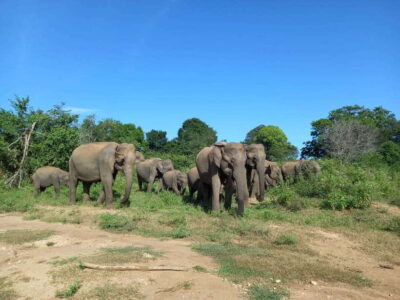
Udawalawe National Park: Elephant Safari with Expert Guide
Read our review →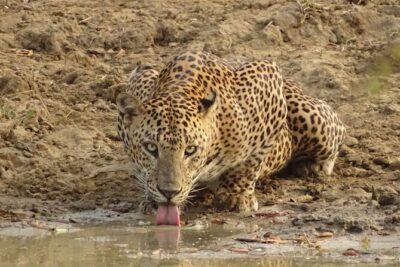
Full day Safari – Yala National Park – 04.30 am to 06.00 pm with – Janaka safari
Read our review →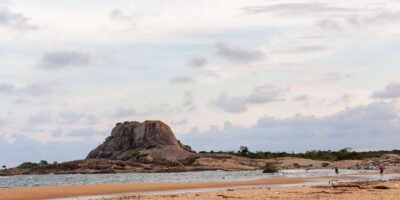
Yala National Park: Half, 7-Hour, or Full-Day Safari & Meals
Read our review →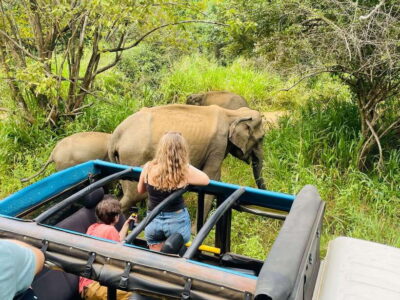
Other lists this safari sits on