
Review · SAFARI
From Stockholm: Moose & Wildlife Safari with Campfire Dinner
The most memorable part of this Stockholm excursion is not just the chance to see a moose. It is the full evening in the woods: lighting a fire, eating dinner at a viewpoint, following animal tracks, then riding between wildlife hotspots as daylight fades. I especially like the small groups of up to eight and the way guides such as Andrew, Marcus, Daniel, Nathan, and Jesper turn the outing into a lesson in Swedish nature. The main drawback is simple: wildlife is wild, and a moose sighting is never promised.
I also like that you get out of the city without spending a full day on the road. The campfire meal, hot coffee, local craft beer or juice, and short forest walk give the trip substance even if the animals stay hidden. At $160 per person, it is not a cheap add-on, but the pickup, transport, guide, dinner, binoculars, and five-hour format make it reasonable for a special evening in Stockholm.
Key points
- Small-group safari: The minibus carries no more than eight participants, allowing for a relaxed, personal outing.
- Campfire dinner with a view: You help get the fire going and eat in the forest, with the timing adjusted around sunset.
- Wildlife beyond moose: Deer, wild boar, hares, rabbits, birds, foxes, badgers, and snakes have all been spotted on different outings.
- Several search areas: After the hike, you drive to different hotspots to improve your chances of seeing animals.
- Winter has a different rhythm: From November through March, dinner moves into a tipi tent and the hike becomes longer to keep you warm.
- Easy city access: The meeting point is within walking distance of Skanstull, Mariatorget, and Stockholm Södra stations.
From Stockholm streets to a Swedish forest
The Green Trails begins at its Urban Basecamp, a central meeting point near the entrance to The Green Trails. You can walk there in about 10 minutes from Skanstull metro station on the green line, or Mariatorget on the red line. Stockholm Södra commuter rail station is about eight minutes away on foot.
That location matters. You do not need to arrange a long transfer or give up a whole day of sightseeing. Meet the guide, hear how the evening will work, and settle into a comfortable minibus for the drive toward the forest.
The trip lasts five hours, including the drive out and back. The exact order changes with the season and sunset. In summer, dinner may come first while you still have a good view, followed by the hike and wildlife drive. In winter, the hike comes earlier, with dinner later inside a tipi tent. This small adjustment makes sense: daylight, temperature, and animal activity all affect the evening.
The ride is part of the experience, but not the main attraction. You are covering enough ground to leave Stockholm behind and reach several possible animal areas. The guide also keeps track of where animals have been moving during the season, then uses that information to choose the search route.
More safaris around the world:
- Dubai: Desert Safari, Quad Bike, Camel Ride & Al Khayma Camp
★ 4.9 · 68,962 reviews - Dubai: Desert Safari, Quad Bike, Camel Ride and Sandboarding
★ 4.9 · 43,505 reviews - Dubai: Safari, Quad Bike, Camel Ride, and Buffet Dinner
★ 4.9 · 33,424 reviews
Lighting the fire at the forest viewpoint
Once you arrive, you walk up to a viewpoint in the woods. The hike is described as short and light in the warmer months, but it still gives you a chance to stretch your legs after the minibus ride and notice the forest at ground level.
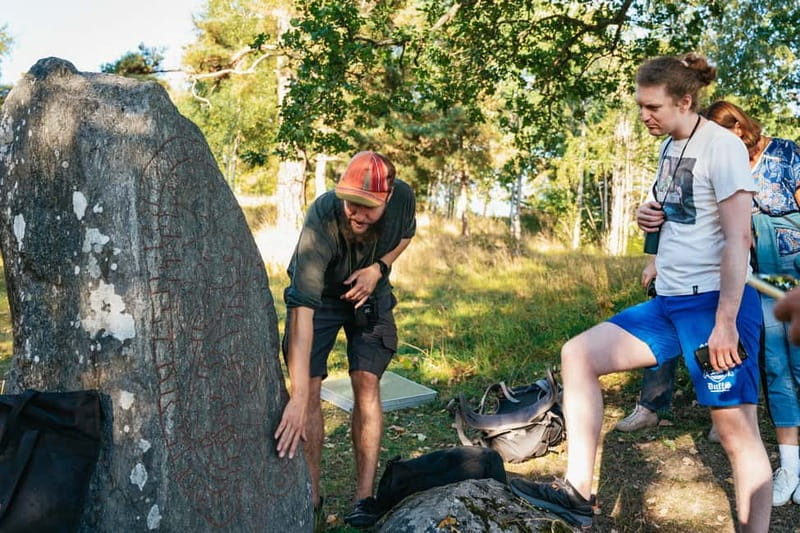
Then comes the campfire. You help get it going in a bushcraft style, rather than simply arriving at a prepared picnic table. That hands-on part gives the meal a stronger sense of place. You are not just eating outdoors. You are learning how the evening’s small camp works.
Dinner is cooked over the fire, with a local craft beer or juice included. Coffee, dessert, pine needle tea, and juniper berries have also featured on different outings, although the exact food should not be assumed for every departure. Most meals have been warmly received, with one important exception: one participant found the beetroot burgers disappointing. If you have strong food preferences, ask what is being served when you book.
Vegetarians have been catered for successfully, so this can work well without meat. Still, food is prepared for the group, and the menu may vary. Think of it as a rustic camp meal rather than restaurant dining.
The setting is the real prize. A sunset over the trees, a fire crackling nearby, and dinner at a hilltop viewpoint can make the evening worthwhile before the wildlife search even begins. Several outings have included beautiful views, relaxed conversation, and time to enjoy a Swedish-style fika around the fire.
Learning the forest before searching for animals
The guide does more than drive you from one sighting point to another. Around the fire and on the trail, you learn how to read the forest through tracks, feeding signs, and movement patterns.
You might hear about moose, several kinds of deer, wild boar, hares, and local birds. Guides have also pointed out edible plants and explained basic survival skills, including fire-lighting with a fire iron. One outing included coffee brewed over the fire and pine needle tea with juniper berries.
This is where the trip earns its place among Stockholm’s nature activities. You are not merely hoping for a large animal beside the road. You are learning why animals use certain parts of the forest and how a guide decides where to look. The walk is not presented as a demanding trek, but you should be comfortable on forest trails and able to walk without mobility assistance. The experience is not suitable for people with mobility impairments.
Guides have included Andrew, Marcus, Daniel, Nathan, Jesper, Jonathan, Rasmus, Stevie, Ella, Patrick, and others. Names and assignments vary, but the most praised qualities are consistent: clear explanations, patience, humor, and a willingness to keep looking. On one outing, guide Rasmus continued checking likely areas even after the group had seen plenty of deer and rabbits. On another, a guide kept searching until the group spotted a moose at the very end.
That persistence is useful, but it also shows the limits of the activity. No guide can order a moose onto the road. A good evening may bring deer and hares, a dramatic sunset, and no moose at all.
The wildlife drive and the art of waiting

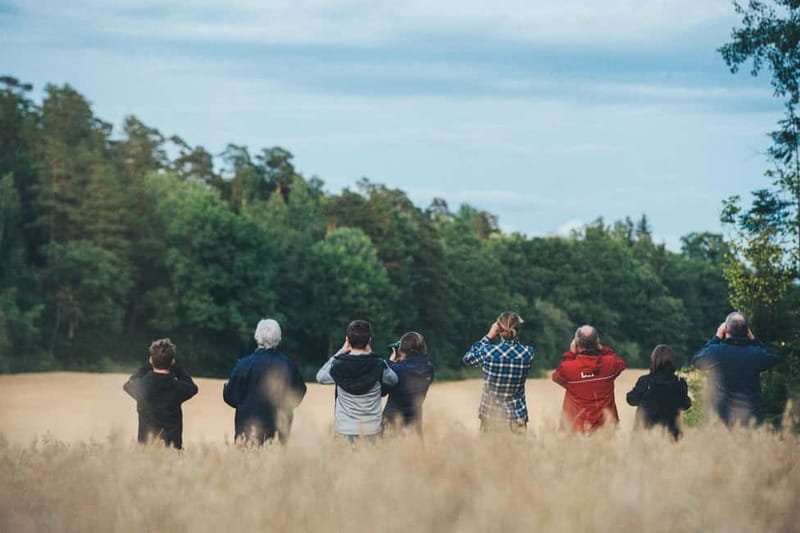
After the walk, you return to the minibus and travel between several wildlife hotspots. This wider route is one of the strongest practical features of the excursion. Rather than spending the entire evening in one patch of forest, you cover more ground and give yourself more chances.
The animals you might see include:
- Moose
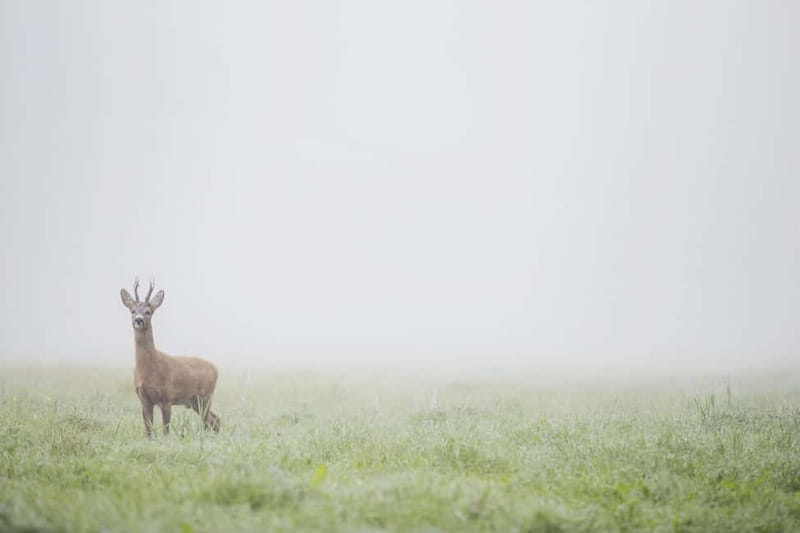
- Roe deer and fallow deer
- Wild boar
- Hares and rabbits
- Birds of several species
- Foxes and badgers
- Occasionally, other forest wildlife such as snakes
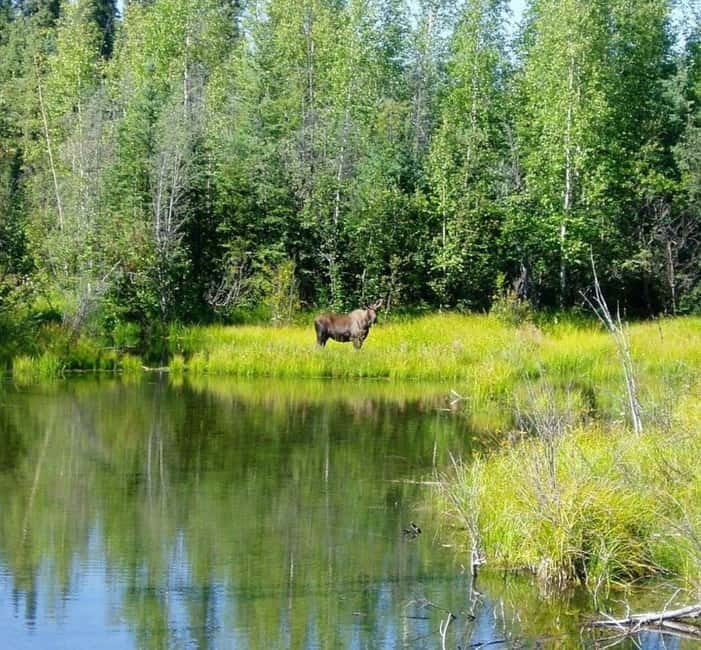
The results vary widely. Some outings have produced several moose, including one with nine. Others have brought four moose, a mother and calf, or a female animal seen from only a few yards away. On another evening, the group saw three moose and many deer. Yet some departures have produced only deer and hares.
That uncertainty is central to the experience. If your main goal is a guaranteed moose photograph, this is the wrong kind of excursion. If you enjoy watching the guide read the road, checking forest edges, and using binoculars to inspect movement in the dusk, the search itself becomes part of the fun.
Large torches are used when it becomes too dark to see clearly. This extends the search after sunset, although torchlight does not turn the forest into a zoo. You may see glowing eyes, a shape at the edge of the trees, or an animal moving quickly before it disappears.
The included binoculars are a useful touch. They give you a better chance of identifying an animal at a distance and reduce the temptation to expect close encounters. One past sighting brought a moose within roughly three metres, but that is exceptional and should never be expected. Wildlife needs space, and the guide’s job is to keep the group observant and respectful.
Same parks, another way to see the animals:
- Dubai: Red Dune Safari, Quad Bike, Camel Ride, BBQ Dinner
★ 4.9 · 32,185 reviews - Dubai: Premium Safari, Camel Ride & Al Khayma Camp 3-Buffets
★ 4.9 · 30,335 reviews - Dubai: Desert Safari with BBQ Dinner & Quad Biking Options
★ 4.9 · 20,485 reviews - Dubai: Half-Day Desert Safari, Camel Ride, ATV & Dune Buggy
★ 4.9 · 19,221 reviews
Summer sunsets and winter tipi dinners
The season changes the character of the trip more than the basic description might suggest.
From late spring through summer, long daylight allows for a generous forest walk, a campfire dinner with a view, and a wildlife search that can continue into the late evening. Several outings in May, June, July, and August produced moose, roe deer, fallow deer, wild boar, rabbits, and birds. The warm-season timing also makes the campfire meal feel leisurely rather than hurried.
Summer is probably the best choice if seeing a moose is your top priority, based on the number of successful warm-weather sightings. It is not a guarantee, but animals are generally easier to spot when they are more active.
From November through March, moose and other animals are harder to find because they are less active. The tour responds by including a longer hike to keep you warm and moving. Dinner is served inside a tipi tent, which provides shelter and a cozier setting in snowy or cold conditions.
Winter can still be rewarding. One January outing took place in heavy snow and included dinner in the tent. The snowy forest can feel especially quiet and atmospheric, but you should book winter with the right goal: a nature evening and outdoor meal first, wildlife sightings second.
Dress for the conditions and expect to spend time outside. The official information does not list a detailed clothing checklist, so sensible warm layers and sturdy footwear are the practical choice, especially from November through March.
Is $160 a fair price?
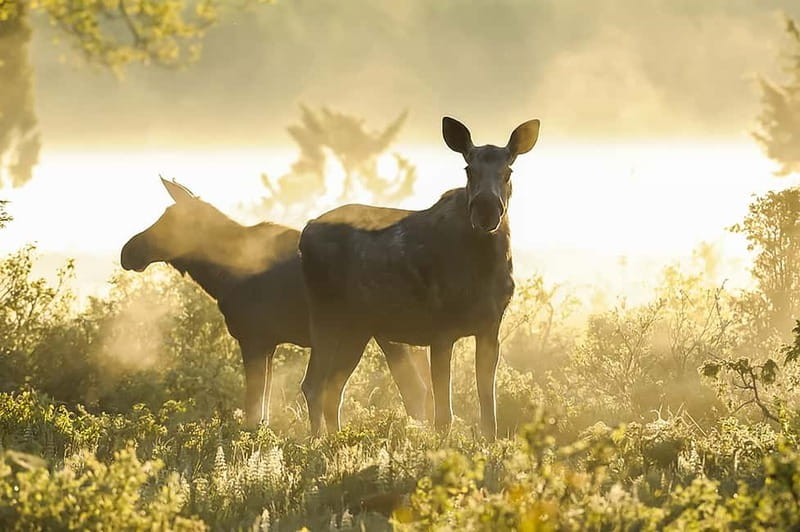
At $160, this is a premium half-day activity rather than a budget excursion. The price includes central pickup and drop-off, minibus transport, a professional guide, the wildlife search, binoculars, and a campfire meal with a drink.
I think the value depends on what you compare it with. You are not paying only for a ride into the woods. You are paying for the guide’s local animal knowledge, seasonal route choices, fire setup, meal preparation, equipment, and the convenience of returning to Stockholm the same evening. A small group also means a better chance to hear the guide and ask questions.
The price is less compelling if you treat the excursion as a guaranteed moose hunt. You could spend five hours outside and see only deer, hares, and birds. That is not a failure of the tour, but it may feel disappointing if the animal list is your only reason for booking.
For someone with one free evening in Stockholm who wants nature, food, and a chance of seeing wildlife, I find the package worthwhile. It combines several activities without making you arrange transport between them. The experience also feels more personal than a large coach outing, since the group is limited to eight.
Who should book this Stockholm wildlife safari?
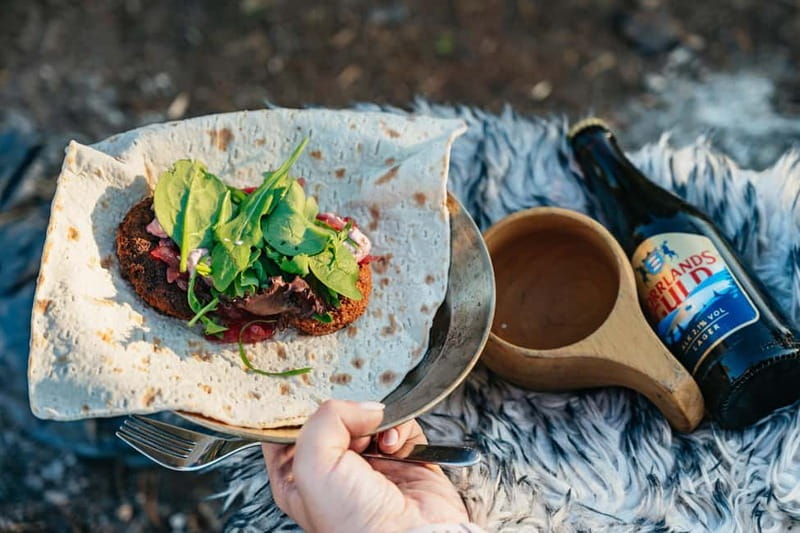
I would recommend it to you if you want a break from museums, shopping streets, and city cafes. It suits people who enjoy being outdoors, asking questions, cooking over a fire, and accepting a little uncertainty.
It is especially good for:
- Couples looking for an unusual evening outside Stockholm
- Solo visitors who want a small group and an easy way to reach the countryside
- Families with older children, provided the children are accompanied by an adult
- Nature lovers who care about tracks, habitats, and animal behavior
- Visitors who want a campfire meal as much as a wildlife sighting
It is less suitable if you need a fixed schedule, guaranteed animal encounters, a fully accessible route, or a polished restaurant meal. Unaccompanied minors are not allowed, and people with mobility impairments should choose another activity.
The guide can make a big difference. Names such as Andrew, Daniel, Marcus, Nathan, and Jesper have been associated with warm, informative evenings, but you should not assume a particular guide will lead your departure. What matters is the format: a guide who explains the woods, adapts the route, and keeps the group involved while waiting for wildlife.
Should you book it?
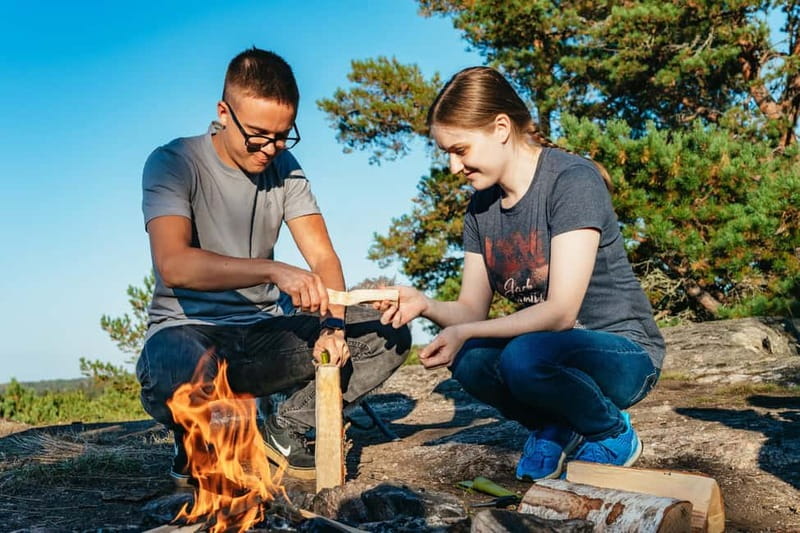
Book this tour if you can treat the moose as a bonus rather than a promise. The strongest parts are the campfire dinner, the forest setting, the small group, and the chance to learn how Swedish wildlife lives just beyond Stockholm.
Choose a summer departure if wildlife sightings matter most. Choose winter if you like snow, longer walks, and a tipi dinner, and you are happy with slimmer odds of seeing moose.
For $160, I would make room for it during a longer Stockholm visit, especially if you have already seen the main city sights. You may return with photographs of a moose, or only memories of deer moving through the dusk. Either way, you will have spent an evening outside the city with a fire, a meal, and a guide who knows where to look.
FAQ
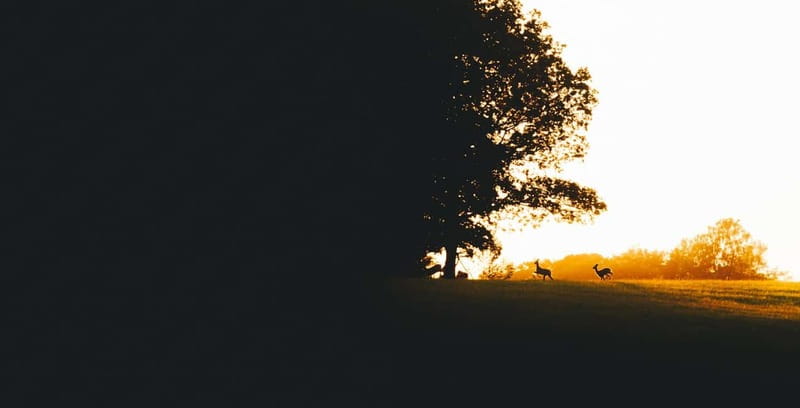
How long does the Stockholm moose safari last?
The activity lasts five hours, including the minibus ride from Stockholm, the forest walk, campfire dinner, wildlife search, and return to the central meeting point.
What is included in the $160 price?
The price includes pickup and drop-off, a professional English-speaking guide, the wildlife safari, a campfire meal, and quality binoculars. A local craft beer or juice is included with the meal.
Is seeing a moose guaranteed?
No. The tour offers a chance to see moose and other wildlife, but sightings vary. You might see moose, deer, wild boar, hares, rabbits, birds, foxes, or badgers, or only some of these animals.
Where do I meet the guide?
The meeting point is at the entry point to The Green Trails. It is about a 10-minute walk from Skanstull metro station and Mariatorget metro station, and about an eight-minute walk from Stockholm Södra station.
Does the tour operate in winter?
Yes. From November through March, wildlife is harder to spot because animals are less active. The tour includes a longer hike, and dinner is served inside a tipi tent to help keep you warm.
Is the tour suitable for children?
Unaccompanied minors are not allowed. The provided information does not set a specific minimum age, so children must attend with an adult.
Can I cancel or pay later?
You can cancel up to 24 hours before the activity for a full refund. You can also reserve now and pay later, which keeps your plans flexible.
New safaris around the world
- Safari Camel Ride in Banana Beach from Agadir★ 5.0 · 10 reviews
- Agadir Quad Bike Safari Desert Sunset★ 5.0 · 29 reviews
- Agadir Buggy safari / off road Experience Half Day | Adventure & Connections ®★ 4.5 · 65 reviews
- Agadir Buggy Safari Adventure★ 5.0 · 93 reviews
- Full-Day Safari Small Desert With Lunch★ 4.5 · 224 reviews
- Agadir Jeep safari 4×4 Desert Adventures with Lunch★ 5.0 · 365 reviews
- Agadir National Park & 4×4 Jeep Desert Safari Tour with Lunch★ 4.5 · 30 reviews
- Jeep safari 4×4 mini sahara desert with Berber Lunch★ 5.0 · 130 reviews