
Review · NEPAL
From Kathmandu/Pokhara: 3-Day All-Inclusive Chitwan Safari
Chitwan’s biggest draw is the chance to trade Nepal’s mountain roads for rhino country. In three days, you ride through Chitwan National Park by Jeep, drift along the Rapti River, look for crocodiles and birds, and learn how the Tharu people have lived beside the forest. It is a full, practical introduction to Nepal’s lowland wildlife.
I like the strong mix of activities: the 4-hour Jeep safari gives you the best chance of covering ground, while the canoe ride and cultural show slow things down. I also like the value. At $149, you get two nights, six included meals, park fees, a guide, and transport from Kathmandu or Pokhara.
The main drawback is the road journey. The bus can take six to seven hours, sometimes longer, and rough sections make it tiring. You should also keep your wildlife expectations sensible. Rhinos, crocodiles, deer, monkeys, and many birds are realistic possibilities, but a tiger is never guaranteed.
Key points to know before booking
- Rhino sightings are a real possibility: Several visits included multiple rhinos, along with crocodiles, deer, monkeys, elephants, bears, peacocks, and other birds.
- Guide Laxman gets special praise: His sharp eyesight, animal knowledge, calm manner, and passion for conservation can make a major difference in the forest.
- The bus ride is part of the price and the compromise: It saves money, but the route from Kathmandu or Pokhara is long, crowded at times, and bumpy.
- The package covers most major costs: Two hotel nights, meals, park and entrance fees, the Jeep safari, guide services, and return transport are included.
- The elephant center deserves thought: One part of the experience raises animal welfare concerns, so you may want to ask the operator about current conditions before booking.
- This is an active short break: It suits people who can handle long bus rides, outdoor conditions, and a busy schedule over two days in Chitwan.
Why Chitwan makes a good change from Kathmandu or Pokhara
Chitwan offers a very different Nepal. Kathmandu gives you temples and city life. Pokhara gives you lakes and mountain views. Chitwan gives you broad forest, riverbanks, grassland, and animals that you will not see in the high country.
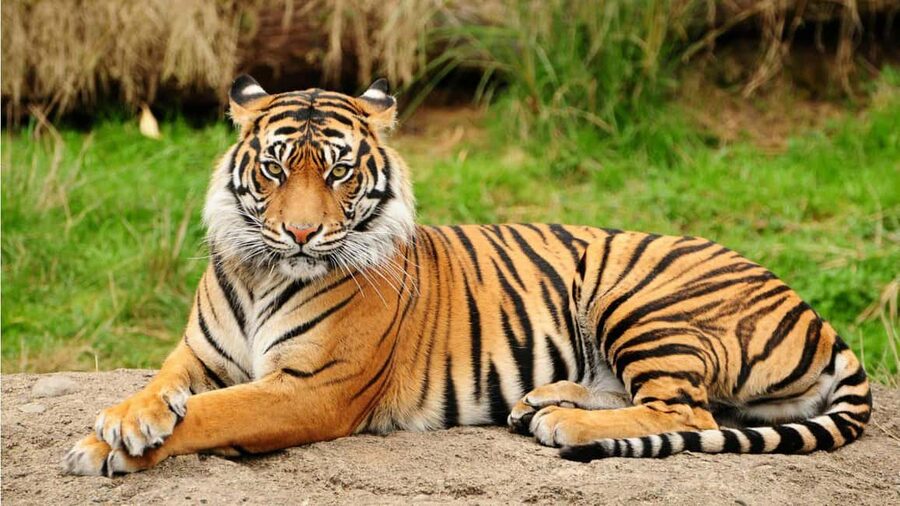
The park is known for one-horned rhinoceros, but the wildlife experience is not limited to one famous animal. You may see crocodiles lying near the river, deer moving through the trees, monkeys overhead, peacocks, and a wide range of birds. Bears and Bengal tigers are possible, but sightings depend on luck, season, noise, and the skill of your guide.
That last point matters. A good guide does more than drive you into the forest. Guides such as Laxman have been praised for spotting tracks, birds, movement, and animals that are easy to miss. You may look toward an empty patch of woodland and only notice an animal after your guide points it out.
The tour also adds a cultural layer. The Tharu dance show is not simply a filler activity after sunset. It gives you a look at local music, movement, and community traditions. A short visit cannot explain every part of Tharu life, but it helps connect the park to the people who live around it.
More Multi-Day Safaris around the world:
- From Marrakech: Merzouga 3-Day Desert Safari with Food
★ 4.7 · 12,232 reviews - Dubai: Overnight Safari, Dinner, Stargazing & Al Khayma Camp
★ 4.8 · 2,562 reviews - Dubai Overnight Desert Safari, BBQ & Stargazing at Al Khayma Camp
★ 5.0 · 2,327 reviews
The long road from Kathmandu or Pokhara
You begin at a pickup point in Kathmandu or Pokhara, generally around Thamel, a Tourist Bus Park, Lakeside, or the designated Tourist Bus Stop. The package includes a tourist bus ticket, though transport may vary if you choose a private-car option.
From Kathmandu, the ride takes about seven hours. From Pokhara, allow around six hours, with traffic and road conditions deciding the final time. The bus may include Nepali passengers, so this is shared local transport rather than a private tourist bubble.
The road is the least polished part of the trip. Several rides have been described as very bumpy, and one return journey from Chitwan dropped passengers at a different place in Kathmandu than expected. The seats may be comfortable, but there is no guarantee of phone charging, and the road can feel rough and slow.
I would not book this package with a tight flight connection on either end. Give yourself room. The bus returns to Balaju near Thamel in Kathmandu or to Pokhara Bus Park, and you arrange your own taxi from there to your hotel.
Still, the bus keeps the price low. A private transfer would be easier, but it would also change the economics of this package. If you are comfortable treating the ride as part of the Nepal experience, the transport is a fair trade for the amount included.
Day one: arriving in Sauraha and meeting the Tharu community
When you reach Sauraha, the final bus stop, a representative is expected to meet you with a sign bearing your name. You then go to the hotel, settle in, and have lunch before the cultural activities begin.
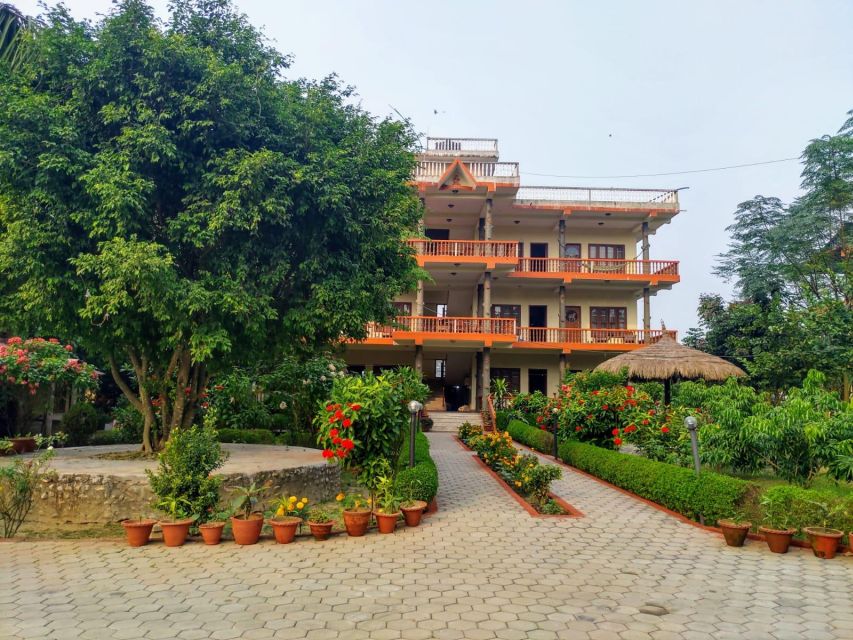
The accommodation is generally described as Eden Jungle Resort. Its staff receive especially warm praise for friendly service, generous meals, and helpful care. The grounds are pleasant, the rooms are clean, and the setting gives you a calmer base than a city hotel.
The rooms are not a luxury-resort experience. One account found them basic, and another noted ants in the room. That is worth keeping in mind if you expect polished facilities. The more positive descriptions focus on comfort, hospitality, food, and the garden rather than high-end design.
Your first proper activity is the Tharu cultural dance show. Expect colorful costumes, rhythmic music, and traditional dance. It is an easy first evening after a long bus ride, and it gives you something social to do without adding another demanding excursion.
Lunch and dinner are included on the first day. The meals are often described as plentiful and tasty, with tea and coffee also available in at least some stays. Food may feel repetitive over a short package, but the final dinner can include a Nepali meal or a barbecue by the fire, depending on the arrangements.
Day two: canoe water, conservation, and the Jeep safari
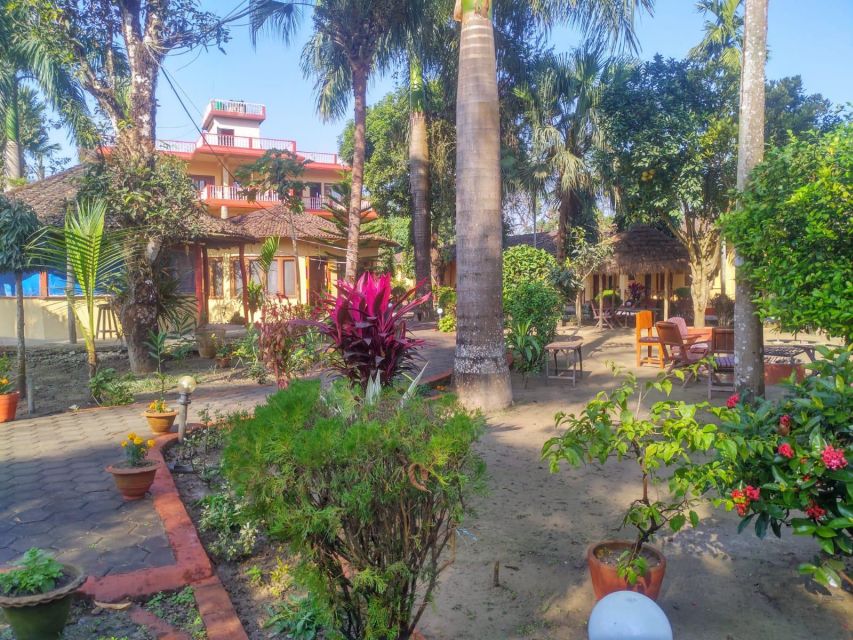
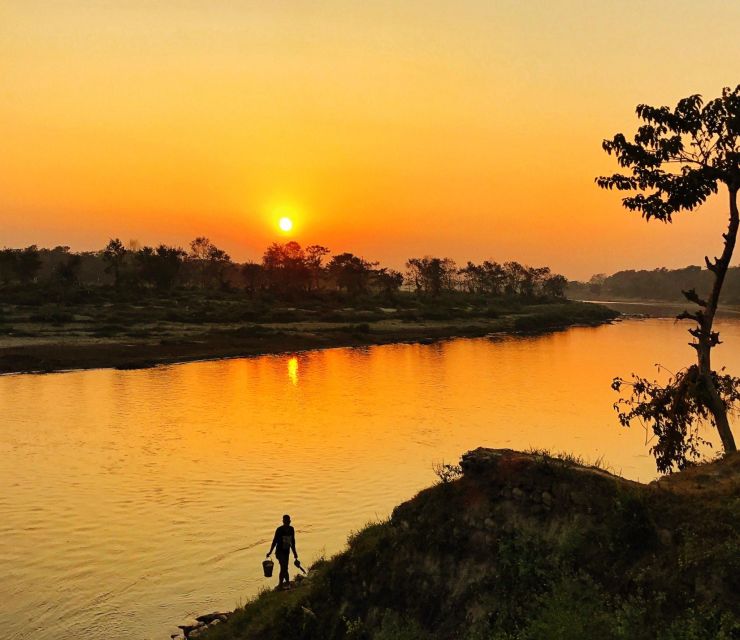
Day two carries most of the wildlife weight. After breakfast, you take a canoe on the Rapti River. The traditional dugout canoe is a quiet way to begin because it moves you through the park without the engine noise of a Jeep.
Keep watch along the banks. Crocodiles are a key sight, and birds may appear in the trees or on the water. The river section also helps you see how different Chitwan feels from Nepal’s hill towns. It is low, warm, open, and full of small movements that reward patience.
The canoe ride is not a cruise with constant commentary or guaranteed animal sightings. Conditions change, and wildlife may remain hidden. Its value is the slower pace and the chance to watch the river edge closely.
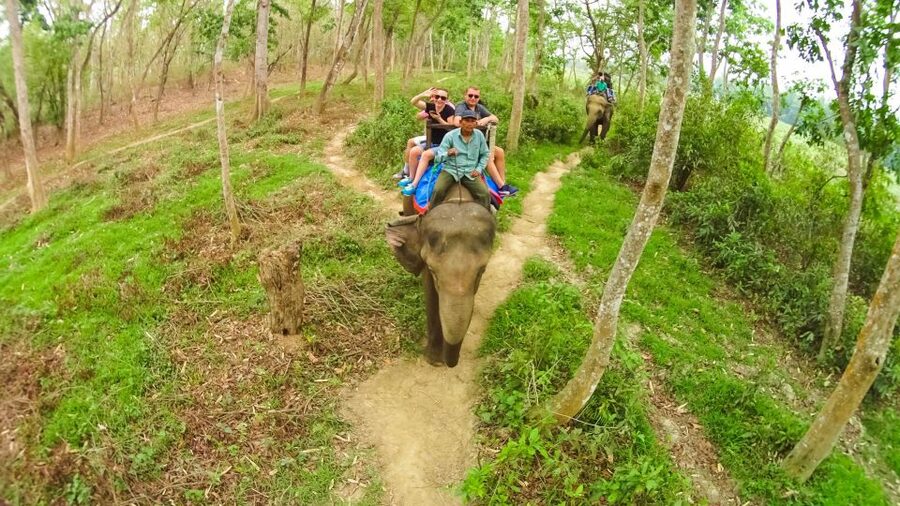
The elephant breeding center follows. You can see elephants, including young calves, and learn about conservation efforts. This is one of the package’s more complicated stops. One participant raised serious concerns about elephants being chained, separated, and struck with sticks. That criticism should not be brushed aside.
Animal welfare standards can change, and the supplied information does not establish the center’s current conditions beyond that firsthand account. If this issue matters strongly to you, ask the operator for an up-to-date explanation of the center and how your visit supports conservation before booking. You can also ask if an alternative activity is possible.
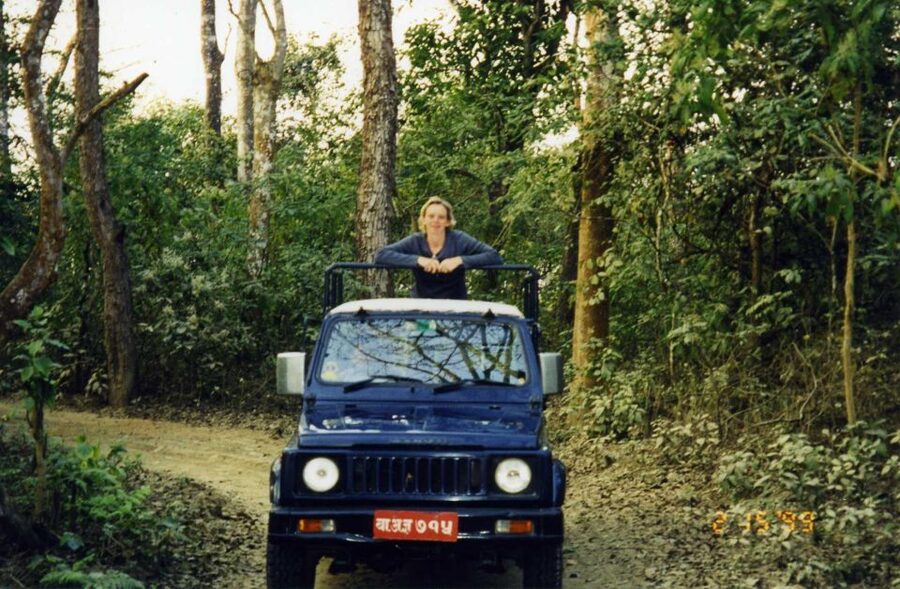
The main event is the 4-hour Jeep safari through Chitwan National Park. A Jeep lets you cover more ground than a walking group and gives you a better chance of crossing different habitats during the available time. Your guide will search for movement, tracks, calls, and signs of larger animals.
You might see rhinoceros, deer, monkeys, crocodiles, peacocks, elephants, bears, and many other birds. Several trips had repeated rhino sightings, which is one of the strongest reasons to choose Chitwan. Tigers remain a bonus, not a promise. Some people saw no tiger even while seeing plenty of other wildlife.
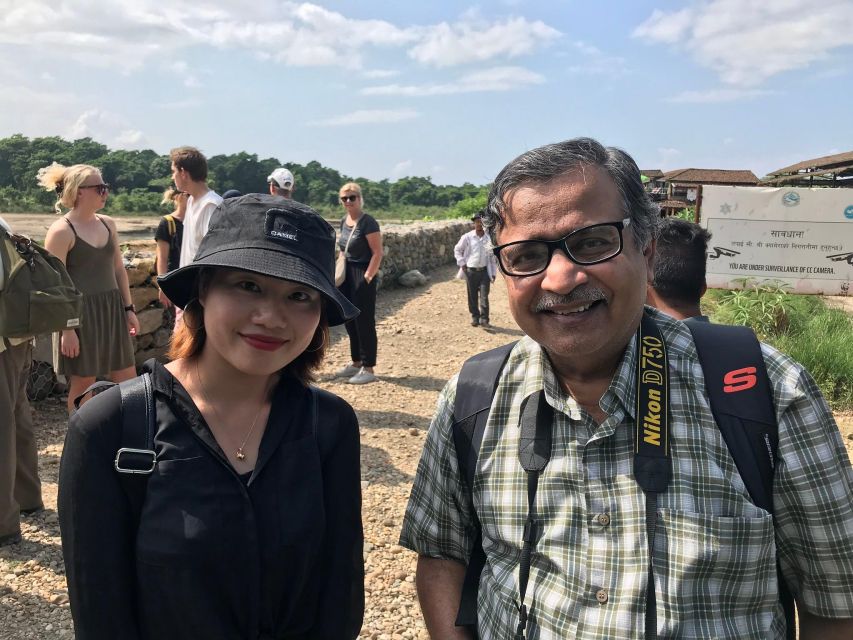
Laxman is the guide name most often singled out in the supplied feedback, with variations in spelling such as Laksman and Loxman. He is described as alert, funny, careful, and deeply interested in conservation. His ability to spot animals and explain footprints, birds, and seasonal changes appears to be a major strength of the experience.
The tour may also include a walking safari. This brings you closer to the forest floor and can make tracks, plants, and small animals easier to notice. It also requires more caution. Chitwan is home to large and potentially dangerous wildlife, so stay close to the guide, follow instructions, keep quiet, and do not treat the walk like a casual stroll.
One account considered the walking route too risky, especially because of the possibility of rhinos, tigers, leopards, snakes, and other hazards. The information supplied does not provide detailed safety equipment or a precise walking route. That makes it sensible to ask the guide about distance, group rules, and emergency procedures before setting out.
More three-day trips into the bush around the world:
- 3 Days Serengeti & Ngorongoro Group Camping Safari
★ 5.0 · 574 reviews - From Nairobi: 3 Days, 2 Nights Maasai Mara Group Safari
★ 4.5 · 394 reviews - 3-Day Chitwan National Park Jungle Safari Tour Package with Pick Up
★ 5.0 · 184 reviews - 3 days group joining safari to Maasai Mara with a Land Cruiser Jeep
★ 5.0 · 173 reviews
What the $149 price really covers
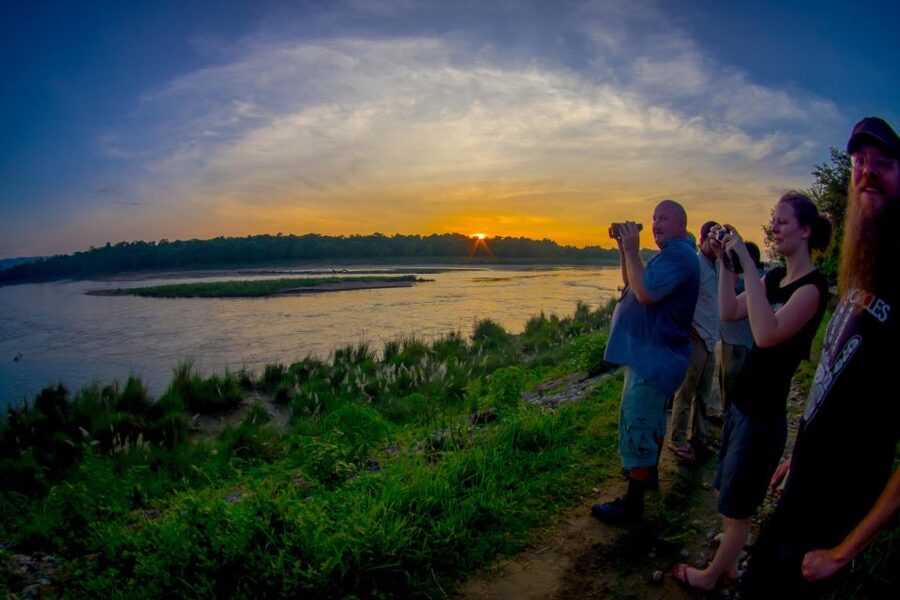
At $149 per person, this is strong value if you want a short Chitwan visit without arranging every part yourself. The package includes:
- Round-trip bus transport from Kathmandu or Pokhara
- Two nights of hotel accommodation
- Two breakfasts, two lunches, and two dinners
- An English-speaking guide
- Park entry and national park fees
- A 4-hour Jeep safari
- A canoe ride and cultural activities
- Applicable taxes
The price works because the transport is shared and the bus ride is long. You are paying for a complete package, not a private safari lodge with a flexible schedule. That distinction helps set fair expectations.
Personal drinks, bar bills, laundry, and similar expenses are extra. Gratuities are not listed among the inclusions, so carry some cash if you want to thank the guide, driver, or hotel staff.
The group is limited to 10 people. That is small enough to feel more personal than a large coach excursion, while still giving you a chance to meet other people at the resort. Solo visitors have found the arrangement comfortable, especially because meals and activities create easy opportunities to join others.
Comfort, clothing, and practical preparation
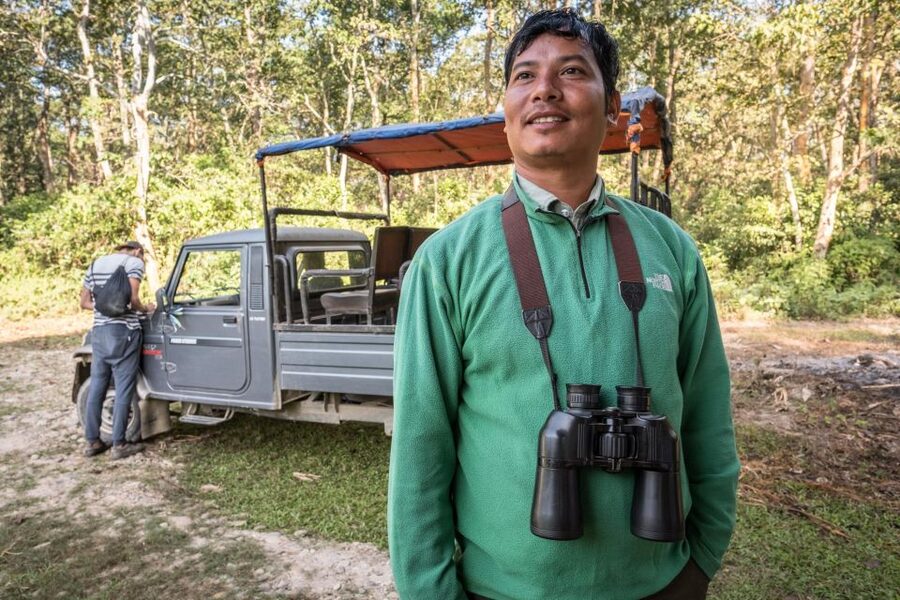
Pack light, breathable clothing in earthy colors such as khaki or green. Long sleeves and trousers protect you from sun and insects, and sturdy closed-toe shoes make more sense than sandals for forest activities.
Bring a hat, camera, passport or accepted copy, and any personal medicine you need. Avoid jewelry, sharp objects, weapons, speakers, and anything that encourages noise in the park. Feeding animals is not allowed, and you should never try to attract wildlife for a photograph.
The schedule is full. You travel for most of a day at the start and end, then fit canoeing, the elephant center, Jeep driving, cultural activities, and meals into a compact stay. If you want long afternoons at the hotel or several separate safari drives, stay longer in Chitwan.
The package is not suitable for children under five, people with mobility impairments, or people over 95. The supplied information also asks you to consider the physical demands of outdoor activity and the rough road journey.
Free cancellation is available up to 24 hours before departure, and you can reserve while paying later. Check the starting time and pickup details carefully, since the trip begins at a bus station or stated pickup point rather than with a leisurely hotel departure.
Who should book this Chitwan safari?
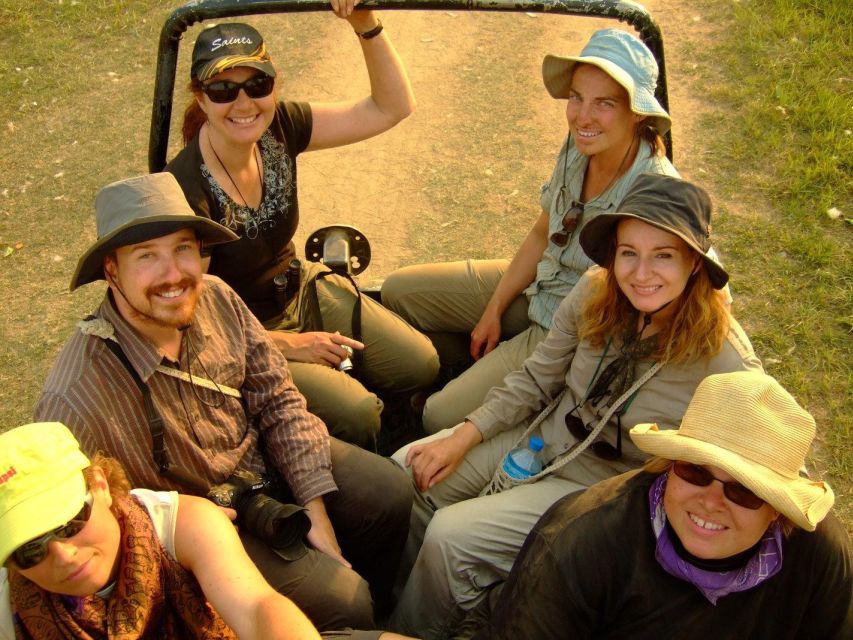
I would choose this trip if you want to add wildlife to a Nepal route that already includes Kathmandu or Pokhara. It is especially useful for first-time visitors who want transport, accommodation, meals, park fees, and activities handled in one booking.
It suits solo visitors, couples, and small groups who value a friendly guide more than luxury. The strongest part is the human side of the trip: guides such as Laxman can turn a basic forest drive into a lesson in animal behavior and conservation.
I would hesitate if you dislike long bus rides, need smooth transport, or expect a tiger sighting. I would also ask detailed questions about the elephant center and walking safari if animal welfare or safety is a major concern.
If you have time, an extra night in Chitwan could improve the experience. The three-day format gets you into the park, but it does not leave much spare time. Several people wished they had stayed longer, which makes sense once you account for two long transfer days.
Should you book it?
Book this tour if you want a low-cost, activity-packed introduction to Chitwan and can accept a rough bus journey. The included Jeep safari, canoe ride, meals, hotel, park fees, and cultural show make the $149 price hard to fault.
Go in for rhinos, crocodiles, birds, and the feel of the forest, not a guaranteed tiger. Ask in advance about the elephant center, walking safari safety, exact bus drop-off, and current hotel arrangements. With those points clear, this is a practical way to see a very different side of Nepal in only three days.
FAQ
How long is the Chitwan safari?
The experience lasts three days and includes two nights of hotel accommodation.
Can I start the tour from Kathmandu or Pokhara?
Yes. Pickup is available from Kathmandu or Pokhara, with transport beginning at the relevant Tourist Bus Station or stated pickup point.
How long does the bus ride take?
The journey takes about seven hours from Kathmandu and about six hours from Pokhara, although traffic and road conditions can make it longer.
Where do I return after the safari?
You return by bus to Balaju near Thamel in Kathmandu or to Pokhara Bus Park. From there, you arrange a taxi to your hotel.
Is transportation included?
Yes. Round-trip tourist bus transportation is included. A private car may be available depending on the option selected.
What wildlife might I see?
Possible sightings include rhinos, deer, monkeys, crocodiles, elephants, bears, peacocks, other birds, and possibly a Bengal tiger. Wildlife sightings are not guaranteed.
Is a Jeep safari included?
Yes. The package includes a 4-hour Jeep safari inside Chitwan National Park.
Are meals included?
Yes. The package includes two breakfasts, two lunches, and two dinners. Personal beverages and other expenses are not included.
What language does the guide speak?
The live tour guide service is in English.
Can I cancel the booking?
Yes. You can cancel up to 24 hours in advance for a full refund.
New safaris around the world
- Safari Camel Ride in Banana Beach from Agadir★ 5.0 · 10 reviews
- Agadir Quad Bike Safari Desert Sunset★ 5.0 · 29 reviews
- Agadir Buggy safari / off road Experience Half Day | Adventure & Connections ®★ 4.5 · 65 reviews
- Agadir Buggy Safari Adventure★ 5.0 · 93 reviews
- Full-Day Safari Small Desert With Lunch★ 4.5 · 224 reviews
- Agadir National Park & 4×4 Jeep Desert Safari Tour with Lunch★ 4.5 · 30 reviews
- Jeep safari 4×4 mini sahara desert with Berber Lunch★ 5.0 · 130 reviews
- Agadir Jeep safari 4×4 Desert Adventures with Lunch★ 5.0 · 365 reviews
Nepal Safaris: how they compare.
3-Day Chitwan National Park Jungle Safari Tour Package with Pick Up
Read our review →
3-Day Chitwan Safari Tour with Hotel Transfers
Read our review →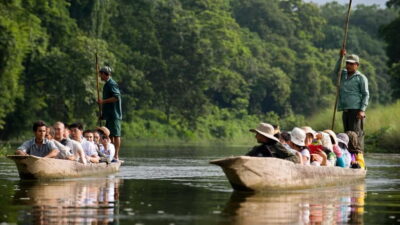
Kathmandu/Pokhara: 3 Day Chitwan Jungle Safari Tour
Read our review →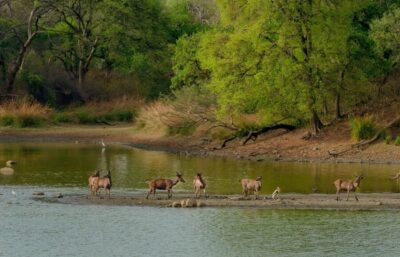
Kathmandu/Pokhara: Wildlife, Culture and Jungle Safari Tour
Read our review →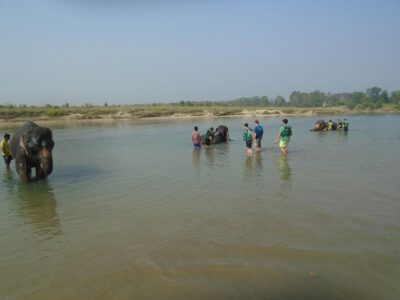
Luxury Chitwan Jungle Safari Package (2Nights/3Days) Resort
Read our review →Other lists this safari sits on