
Review · NEW DELHI
Delhi Agra Jaipur Golden Triangle Multiday Trip with Safari
The Taj Mahal at sunrise is the heart of this trip, but the bigger appeal is having one driver and a local guide team carry you through India’s busiest sights. You can pair Mughal monuments with Jaipur palaces, a Ranthambore safari and, on the seven-day plan, Pushkar’s lakeside temples.
I like the strong driver service, especially the punctual, careful help praised for people such as Shalin, Ashok, Sahil and Manoj. I also like the flexible planning: guides such as Imran in Agra and Sid in Jaipur can explain the monuments while the organizer adjusts timing when plans change. The tradeoff is pace. Even seven days include long road journeys, and some guides may steer you toward shops where the sales pitch is stronger than you want.
Key points to know before booking
- Sunrise Taj Mahal visit: Start early for softer light, cooler air and a calmer first look at Agra’s great monument.
- Private car and driver: Sedan transport suits one or two people, while larger groups use a Carens, Innova, Tempo Traveller or minibus.
- Safari depends on the option: Ranthambore appears in the four, five and seven-day safari programs, not the three-day Golden Triangle plan.
- Five-star hotels are an option: Four-star rooms may feel basic by European standards, and Ranthambore may use a four-star resort.
- Guides change by city: Imran is frequently assigned in Agra, while Jaipur may be led by Sid, Kapil, Farman or another local guide.
- Shopping stops need clear boundaries: Tell your guide early if you do not want rugs, jewelry, fabrics or other shop visits.
What this Golden Triangle route gets right
India’s Golden Triangle links Delhi, Agra and Jaipur in a tidy triangle on the map, though the roads make it feel larger. This private trip adds Ranthambore for a tiger safari and Pushkar on the longest schedule.
The basic plan costs $135 per person, though the final price depends on duration, hotel selection and options such as monument admission. At that starting price, the value comes from combining private transport, city guides, taxes, parking, bottled water and hotel or airport pickup. Accommodation, tickets and other extras are included only when the selected option says so, so check the exact package before paying.
I would choose this format if you want the major sights without arranging a new taxi, hotel and guide in every city. You get one point of contact, an air-conditioned car and daily help. You give up some independence and accept a full schedule built around road travel.
The company offers three, four, five and seven-day versions. The seven-day trip gives you the best breathing room. The three-day plan is possible, but it is a highlights sprint: Delhi, Agra, Jaipur, then back to Delhi.
More Multi-Day Safaris around India:
- Private 4-Day Golden Triangle Tour with Ranthambore Tiger Safari
★ 5.0 · 248 reviews - 4 Day Golden Triangle with Ranthambore Tiger Safari Tour from Delhi
★ 5.0 · 110 reviews - Jodhpur Camel Safari & Overnight Stay In Desert With Sumer
★ 4.9 · 89 reviews
Delhi brings Mughal India and modern India together
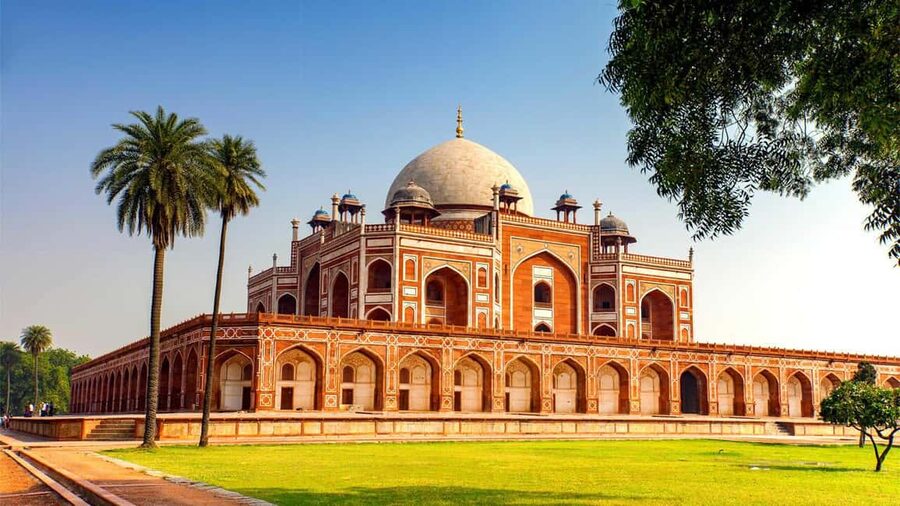
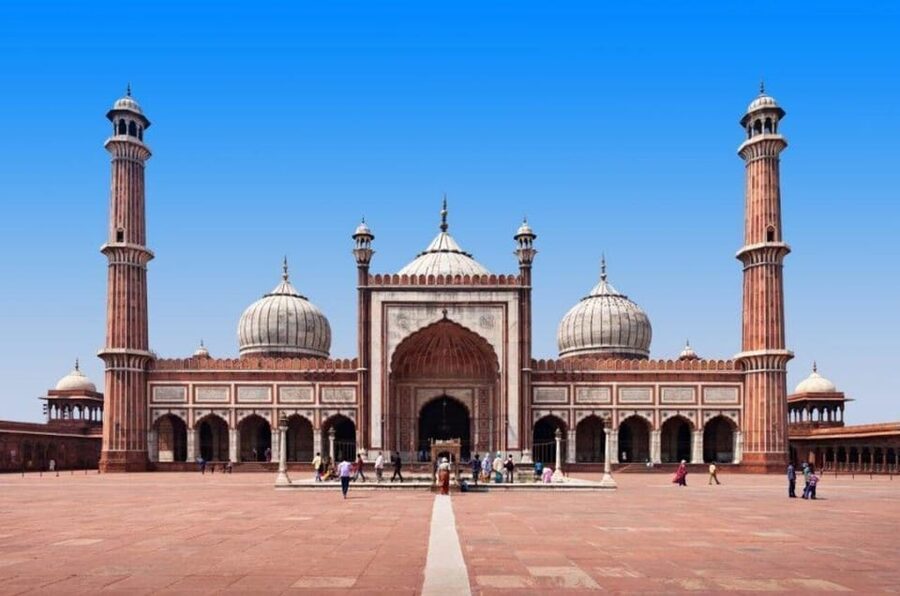
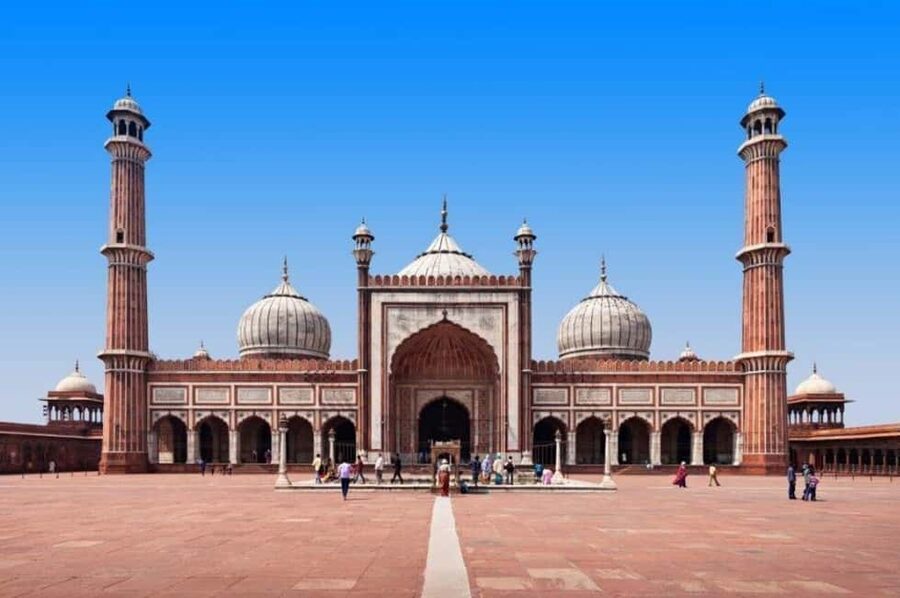
Your first day covers a lot of ground. The route includes Qutub Minar, India Gate, Humayun’s Tomb, Lotus Temple, Jama Masjid, Chandni Chowk and Akshardham before an evening drive to Agra.
Qutub Minar gives you an early look at Delhi’s medieval Islamic architecture. Its tall stone tower and surrounding ruins reward a guide who can explain the changing dynasties and building styles. Humayun’s Tomb is just as important, with formal gardens and a design that helps you understand the architectural ideas later seen at the Taj Mahal.
India Gate offers a very different setting. It is a broad public monument in central Delhi, while Jama Masjid and Chandni Chowk place you in the older city. The rickshaw ride through Chandni Chowk is one of the more atmospheric parts of the day, but it is also where traffic, noise and crowds can test your patience.
Lotus Temple and Akshardham add religious and modern architectural contrasts. You should not expect a slow museum day. Delhi’s schedule is packed, and traffic can change the timing. The private car matters here because you are not spending your first day learning several public transport systems.
The Delhi guides named in the feedback include Ankush, Azhar, Adin and SK. Their strength is explaining religious background and historic context in clear terms. Ask your guide to slow down if you want more time for photographs or questions. A guide who knows you prefer monuments over shopping can also help keep the day on track.
Agra works best when you see the Taj Mahal first
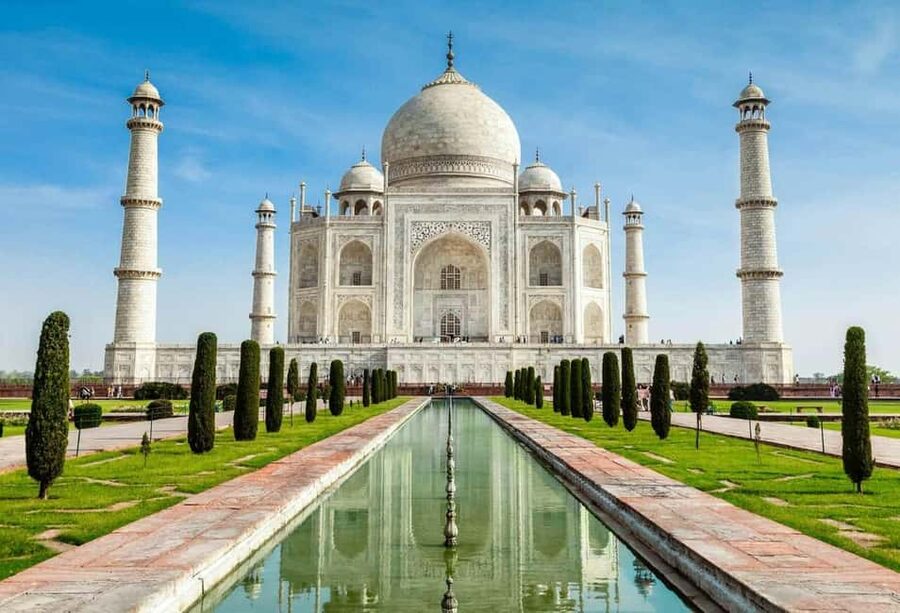
The second day begins before breakfast with the Taj Mahal at sunrise. This is the right order. The monument is at its most affecting when the light is gentle and the white marble changes tone as the morning develops.
Your guide handles the monument visit, photographs and architectural explanation. Mehfooz and Imran are names associated with especially strong Agra guiding, and Imran is praised for clear explanations at both the Taj Mahal and Agra Fort. A good guide can point out the balance, inlay work and stone details that are easy to miss when you are focused on getting the perfect picture.
The Taj Mahal is not only a love story. It is also a carefully planned Mughal complex with a gateway, garden, mosque and matching structures. Give yourself time to look beyond the central building. The view across the garden is famous, but the smaller details are what make the visit feel more than a photo stop.
Agra Fort follows. Its red sandstone courtyards, palace rooms and defensive walls show the power of the Mughal court from a different angle. From parts of the fort, you can see the Taj Mahal in the distance. That connection helps place the two monuments in the same royal story.
Itmad-ud-Daula, often called the Baby Taj, is smaller and more intimate. Its marble decoration and delicate inlay work offer a useful comparison with the Taj Mahal. I like that this stop is included because it gives you a closer look at craftsmanship without the scale and crowds of the main monument.
Agra is usually the strongest day for local historical guiding. The downside is the shopping pressure that can follow a monument visit. Some guides have taken people to carpet, jewelry or textile shops. You are free to say no, and you should do so plainly if shopping is not part of your plan.
Fatehpur Sikri and Abhaneri break up the road to Ranthambore
On the longer safari programs, the route continues from Agra toward Ranthambore through Fatehpur Sikri and Abhaneri. This is a long transfer day, but both stops make the drive worthwhile.
Fatehpur Sikri was a Mughal imperial city built in red sandstone. Its courtyards, audience halls and religious buildings give you a strong sense of how a royal complex was organized. The site is broad and exposed, so comfortable shoes, sunglasses and water are sensible. Bottled mineral water is provided during the journeys.
The local guide at Fatehpur Sikri may be different from your Agra guide. One practical point is to ask clearly which costs are included before entering any side site or temple. A complaint about an included entrance being requested again shows why you should keep your booking details handy.
Abhaneri’s stepwell is a striking piece of engineering. The repeated stair patterns create a geometric scene that photographs well and gives you a glimpse of practical water design in Rajasthan. Sanjay is one guide associated with this stop, and the visit is usually shorter and more focused than the major palace tours.
This is also one of the days when the trip’s road-based nature becomes clear. You will spend substantial time in the car. The benefit is door-to-door transport and the ability to stop for food or an ATM when needed. The cost is less free time in each town.
More safaris around India:
- From Jaipur: Ranthambore National Park Day Trip with Safari
★ 4.6 · 244 reviews - Desert Camel Safari Day Tour In Jodhpur
★ 5.0 · 161 reviews - Jhalana Panther Safari Park Tour in Jaipur
★ 4.5 · 127 reviews - Tiger Safari in Ranthambore National Park
★ 4.5 · 124 reviews
Ranthambore adds the wild-card day
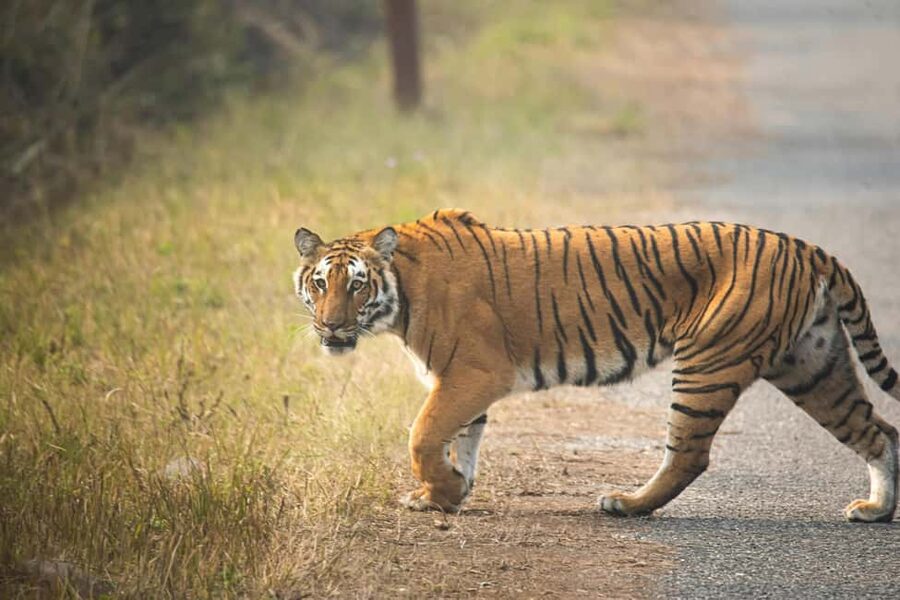
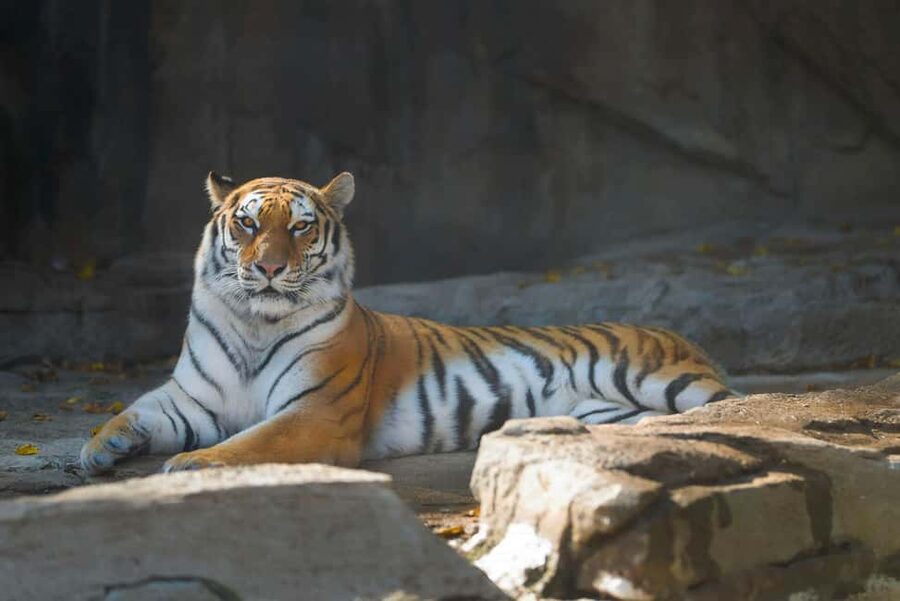
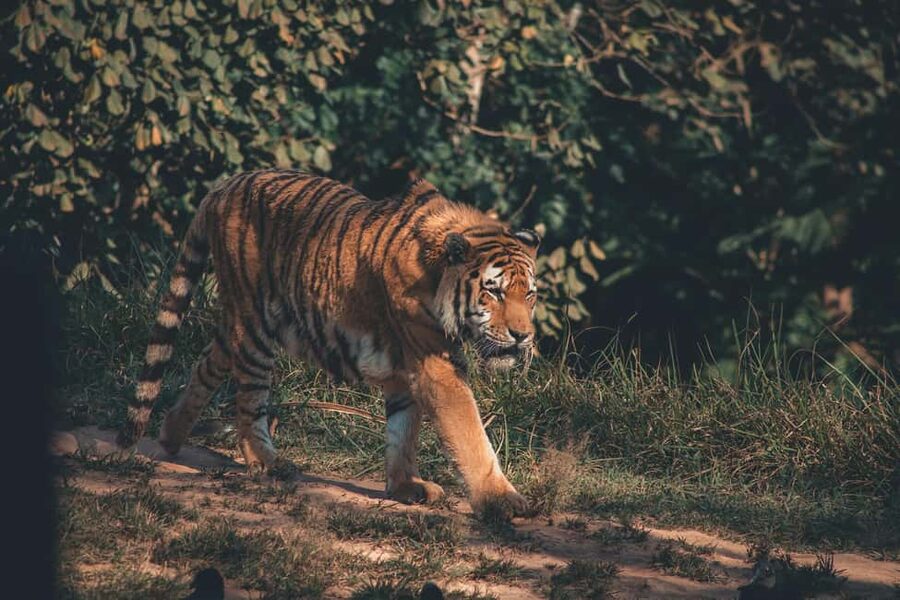
Ranthambore changes the tone of the trip. Instead of palaces and marble, you are watching for movement in a tiger reserve. The safari is included in the four, five and seven-day safari programs, with the seven-day version giving you the most comfortable schedule.
The standard seven-day plan reaches Ranthambore after Fatehpur Sikri and Abhaneri, then schedules a morning jungle safari on the next day before the drive to Jaipur. This early start is important. You need to be ready for the scheduled departure, and sightings are never guaranteed.
Seeing a tiger is possible, and one solo visitor described seeing several tigers on a short version of the trip. Still, you should treat the safari as a wildlife search, not a guaranteed animal show. The value is in entering a protected natural setting and breaking up a monument-heavy itinerary.
Hotel standards also need a clear note. A four-star resort may replace a five-star property in Ranthambore because of budget limits. If consistent hotel quality matters to you, ask exactly where you will stay before booking. A four-star label may not match the standard you expect from Europe or North America.
After the safari, the drive to Jaipur can feel tiring. The seven-day option places the safari before a separate Pushkar day and two Jaipur days, which is far easier than trying to squeeze everything into one stretch.
Pushkar offers a slower Rajasthan day
Pushkar is included in the seven-day schedule. You visit Brahma Temple, Pushkar Lake and the local market before returning to Jaipur for the night.
The town’s appeal is religious and local rather than grand. Pushkar Lake and the temple give you a different view of Rajasthan, away from the great forts. The market adds time for browsing, but the usual shopping caution still applies. If you are not looking to buy, say so at the start.
This day also gives you a break from the largest monuments. The route remains active, but it is less loaded than Delhi’s first day or Jaipur’s main sightseeing day. The Pushkar guide has been praised for explaining clearly that contributions are not required, a useful standard when visiting religious places.
Jaipur is the colorful finale
Jaipur receives either one full day on the three, four and five-day plans or two days on the seven-day itinerary. I prefer the longer version because Jaipur has enough major sights to deserve more than a rushed circuit.
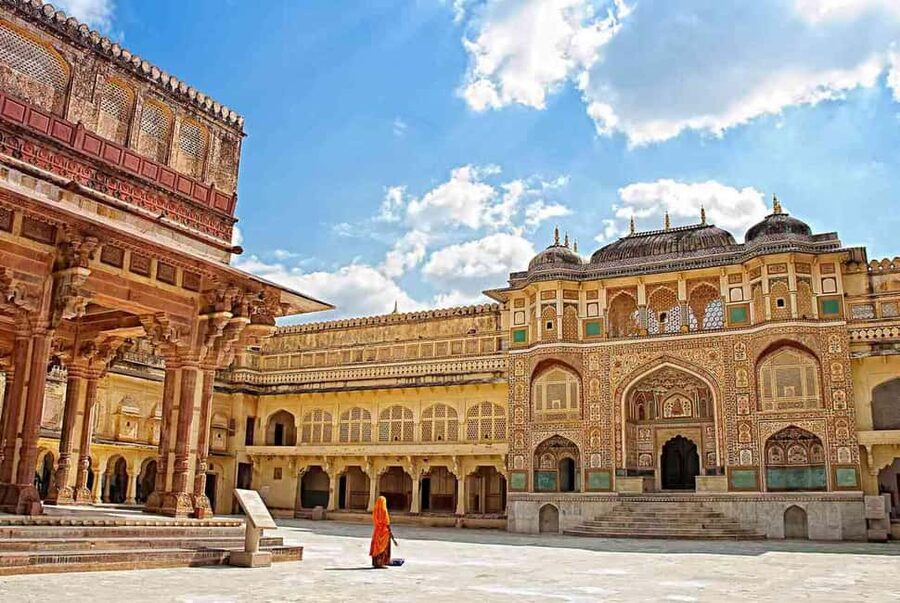
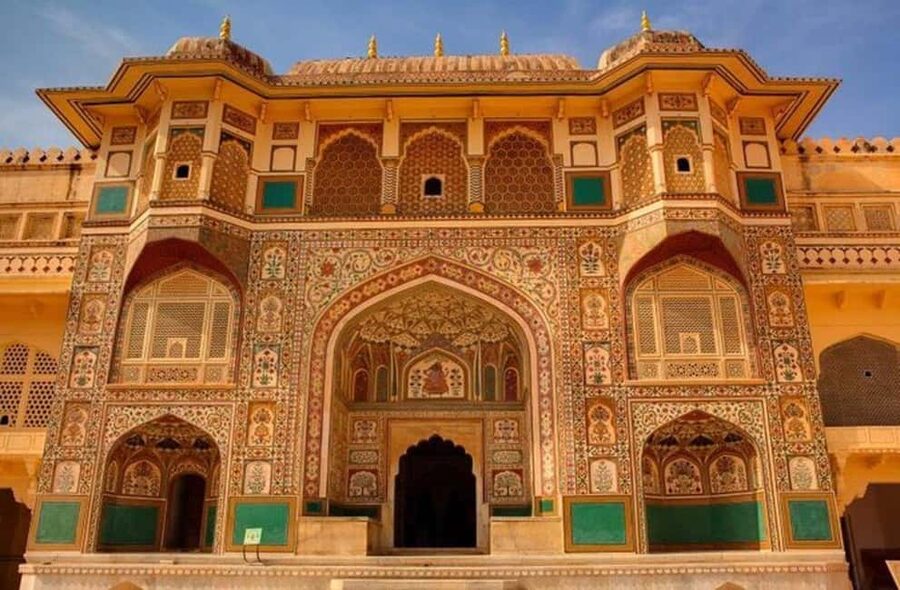
Amber Fort is the main event. Its courtyards, gateways and hill setting show the power of the Rajput rulers, while the decorated interiors reveal courtly taste. Your guide can help you separate the military purpose of the fort from its palace life.
The City Palace continues the royal theme. Jantar Mantar, the astronomical observatory, is one of the most interesting stops for curious minds. Large stone instruments track celestial positions and demonstrate how scientific work was carried out before modern electronic tools. Sid is a Jaipur guide praised for explaining the measurements and how they remain accurate.
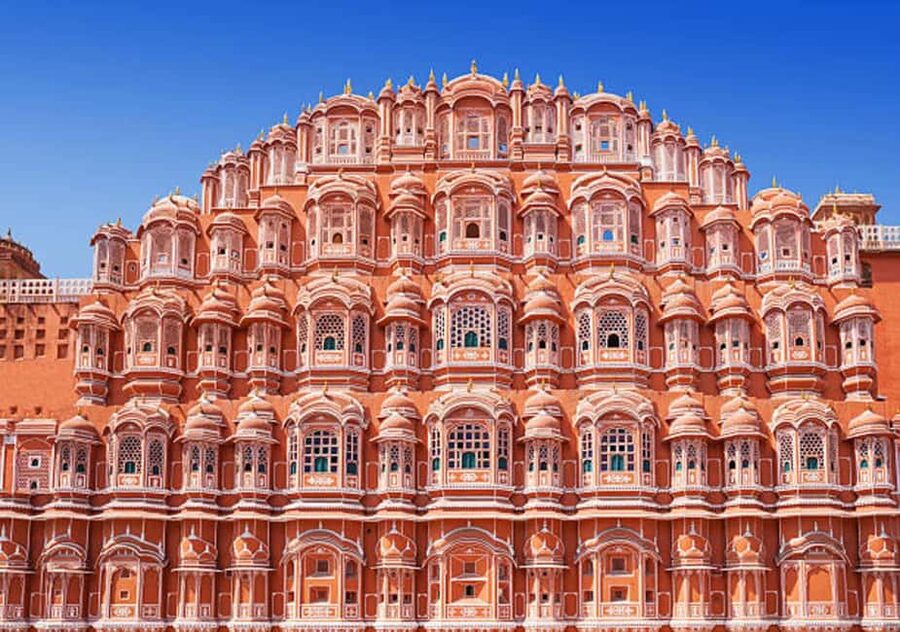
Hawa Mahal is usually a short photo stop, though its façade has a purpose. The many small windows allowed royal women to watch street life without being seen. Jal Mahal provides another quick picture opportunity beside the water.
The Pink City markets fill the rest of the day. This is a good place to shop if you want textiles, crafts or souvenirs, but it is not a compulsory part of the cultural experience. Tell your guide what you want to buy and what you do not. Kapil, Farman and Sid are among the Jaipur guides connected with positive experiences, especially for clear explanations and helpful photographs.
Your driver may matter as much as the monuments
The most consistent strength of this arrangement is the driver. You will be on the road for long stretches, sometimes in heavy traffic and sometimes on smaller roads, so a calm, punctual driver makes a real difference.
Names praised for safe driving and helpful service include Shalin, Ashok, Sahil, Manoj, Anil, Faruk, Pankai Kumar and Ashish. Shalin is especially noted for taking photographs and videos, playing local music and adapting to requests. Faruk is praised for kindness and careful driving, while Pankai Kumar is described as getting people close to monument and hotel entrances.
For one or two people, transport is an air-conditioned sedan. Three to five people use a Carens or Innova, while larger groups use a Tempo Traveller or minibus. A better vehicle can be worth an added charge on rougher roads, especially if you are taking the seven-day route.
Pickup and drop-off are available from an airport, hotel or requested location in New Delhi, Noida or Gurugram. If you book without hotels, the company still collects and returns you to your own accommodation.
Hotels, room sharing and extra costs
Hotel inclusion depends on the option you choose. Five-star accommodation is available in some packages and is the safer choice if comfort is a priority. Four-star properties may feel more basic than their labels suggest, so I would not choose the lowest hotel tier simply to save money on a long, road-heavy trip.
Rooms are normally arranged as twin sharing. A booking for three people receives a triple-sharing room by default. If you want two rooms instead, expect an additional charge.
Meals and personal expenses are not included. Plan for food, shopping, tips and any optional costs. Monument entrance fees are included only when you select the appropriate option, so compare the package details rather than assuming every ticket is covered.
The $135 per-person price can be excellent value for the basic arrangement, especially for a private car and several local guides. It is less of a bargain if you expect every hotel night, meal, ticket and safari cost to be included. Think of the advertised price as the starting point, then check the exact version you want.
Who should book this trip
I would recommend this tour to a first-time visitor who wants India’s headline sights with less planning pressure. It also suits solo visitors, including solo women, who want a driver, airport pickup and local support each day.
Choose seven days if you want Ranthambore, Pushkar and two Jaipur days without turning every morning into a race. Choose five days if you want the safari but need to finish sooner. The four-day version is workable but tight. The three-day option suits you only if your priority is a fast look at Delhi, Agra and Jaipur.
I would be cautious if you dislike long drives, early starts or scheduled sightseeing. I would also set clear rules about shopping before the first guide meets you. The guides are generally friendly and well-informed, but the occasional sales stop can distract from the places you came to see.
Should you book it?
Book this trip if you want major monuments, private transport and a safari option handled in one plan. Its best features are the strong drivers, the sunrise Taj Mahal visit, city-by-city guiding and the chance to add Ranthambore without arranging a separate trip.
Choose the seven-day version for the best balance. Select five-star hotels if available, confirm which tickets are included, and tell the organizer in writing that shopping stops are not wanted if that is your preference. With those details settled, this is a practical way to see a large and demanding part of northern India without spending your whole holiday on logistics.
FAQ
How long is the Golden Triangle trip?
You can choose a three, four, five or seven-day program. The longer options add Ranthambore and, on the seven-day itinerary, Pushkar and extra time in Jaipur.
Is the Taj Mahal visit at sunrise?
Yes. The Agra itinerary includes a sunrise visit to the Taj Mahal, followed by Agra Fort and Itmad-ud-Daula.
Does every option include a tiger safari?
No. The safari is included in the four, five and seven-day safari programs. The three-day option covers Delhi, Agra and Jaipur without the Ranthambore safari.
Are hotels included?
Accommodation is included only when you select an option that includes hotels. Five-star rooms are available in some packages, but a four-star resort may be used in Ranthambore.
What type of vehicle is provided?
One or two people travel in an air-conditioned sedan. Groups of three to five use an air-conditioned Carens or Innova. Groups of nine to 26 use a Tempo Traveller or minibus.
Are meals and entrance tickets included?
Meals and personal expenses are not included. Monument entrance fees are included only if you choose the option that specifies them.
Can I be picked up from an airport or my own hotel?
Yes. Pickup and drop-off are available from an airport, hotel or requested location in New Delhi, Noida or Gurugram. This also applies if you book without accommodation.
New safaris around India
- Sanjay Gandhi National Park + Kenheri Caves + Lion Safari★ 4.4 · 19 reviews
- Ranthambore National Park: Safari Ticket with Pickup Option★ 4.5 · 32 reviews
- Sawai Madhopur: Ranthambore National Park Guided Jeep Safari★ 4.4 · 23 reviews
- Peeps Billions of Star Experience with Desert & Camel Safari★ 4.8 · 18 reviews
- Nomadic Non-Touristic Overnight Camel & Desert Safari Tour★ 5.0 · 56 reviews
- Munnar: Tea Garden and Elephant Safari Trip by 4×4★ 4.1 · 16 reviews
- Munnar: Anakulam Jeep Safari with Waterfall and Elephant★ 4.4 · 22 reviews
- Jodhpur: Desert Camel and Jeep Safari with Traditional Food★ 4.9 · 57 reviews
New Delhi Safaris: how they compare.
Private 4-Day Golden Triangle Tour with Ranthambore Tiger Safari
Read our review →
Old Delhi Food Tour Safari – The Capital of Flavors
Read our review →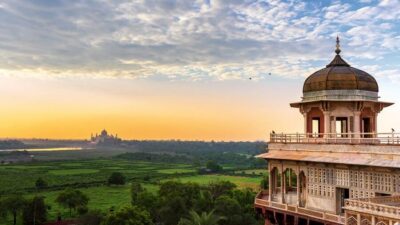
From Delhi: 5-Day Tiger Safari & Golden Triangle Tour
Read our review →
4-Day Private Delhi, Agra & Jaipur with Ranthambore Tiger Safari
Read our review →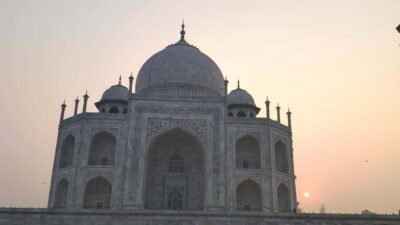
From Delhi: 5 Day Golden Triangle, Safari, & Bird Sanctuary
Read our review →Other lists this safari sits on