
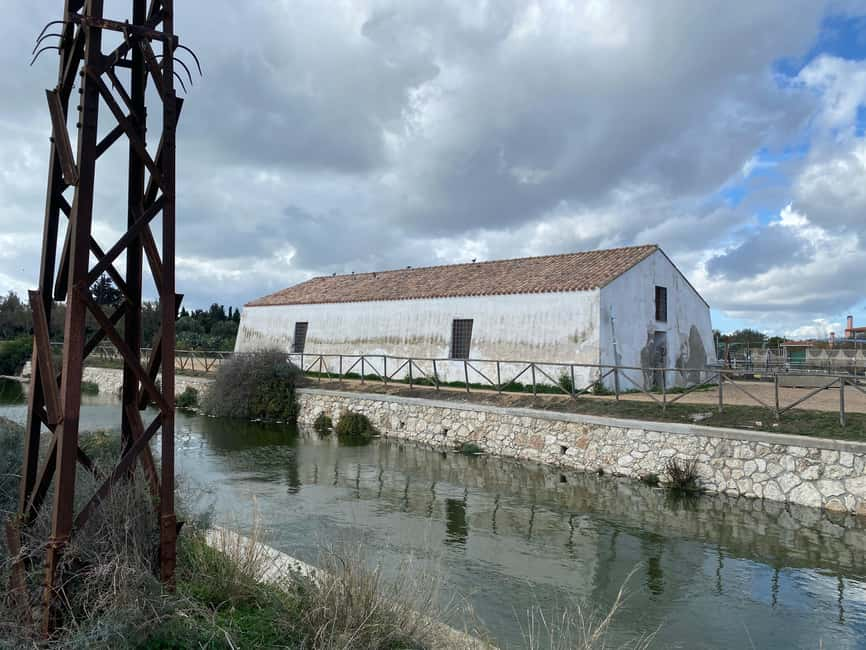
Review · BIRD WATCHING SAFARIS
Cagliari: EcoSafari Flamingos Tour in Molentargius Park
The main attraction here is not a staged wildlife show. It is a protected wetland where flamingos choose the conditions, and you watch from a respectful distance. An electric minibus takes you into restricted areas of Molentargius Park, with an environmental guide explaining the salt pans, fossil beaches, and more than 250 bird species.
I like the combination of park access and expert interpretation. I also like the shared binoculars and telescope, since flamingos may be too far away for satisfying naked-eye viewing. The main catch is simple: this is wild nature. Strong wind, rain, or cold weather can keep birds out of sight, and the tour may feel expensive if you see only a few distant flamingos.
Key points
- Protected nesting areas: Reach restricted parts of the park with guides authorized by Molentargius.
- Electric minibus: Cover more ground comfortably during the 90-minute outing.
- Old Salt Route: See the salt pans that once supported Sardinia’s white-gold industry.
- Birdwatching equipment: Share binoculars and a telescope for closer views.
- More than flamingos: Look for avocets, herons, slender-billed gulls, and the rare sultan chicken.
- Weather matters: February conditions can bring wind and rain, and flamingos may stay far away or out of sight.
Why Molentargius Is Worth Your Time
Molentargius Saline Natural Park covers about 1,600 hectares just outside Cagliari. It is both a working record of Sardinia’s salt-making past and an important wetland for birds.
That combination gives this outing more substance than a quick stop to photograph pink birds. You are seeing a place shaped by water management, salt production, geology, agriculture, and wildlife. The setting is close to the city, yet it has a quiet, open feel that is unusual for an urban-edge excursion.
The flamingos are the headline act, but they are not the whole point. I would book this tour if you enjoy understanding why a place matters, not just collecting a picture of it.
The tour begins and ends at the Infopoint Parco Molentargius Saline. From there, you ride in an electric minibus with a live guide in Italian or English. The total duration is 1.5 hours, so it fits neatly into a morning or afternoon around Cagliari.
More bird watching safaris around the world:
- Gannet Safaris Overland tour to Cape Kidnappers Gannet Colony
★ 5.0 · 942 reviews - From Svolvær: Lofoten RIB Sea Eagle Safari Trollfjord Cruise
★ 4.9 · 908 reviews - From Svolvær: RIB Boat Lofoten Trollfjord Sea Eagle Safari
★ 4.9 · 754 reviews
Riding the Electric Minibus Through the Salt Pans
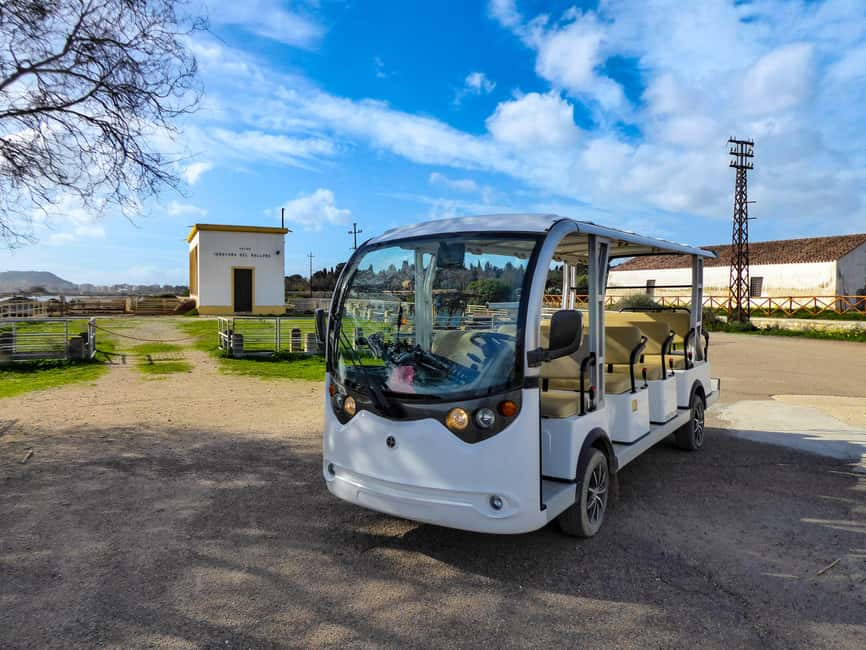
The electric minibus is a practical choice for a park of this size. Walking the entire route would take much longer, while a standard vehicle would be noisier and less suited to a protected natural area.
I like that the ride lets you see several parts of Molentargius without turning the visit into a demanding hike. You can focus on the explanations and keep your eyes open for birds instead of worrying about navigation.
Do not expect a high-speed sightseeing circuit. The value comes from moving slowly enough to pause, look, and listen. The guide can point out birds and explain how the wetland functions, while the vehicle gets you between the park’s key areas.
The minibus also helps in poor conditions, but it does not make the tour weatherproof. Wind and rain still affect what you see, and some reviews describe an outing cut short by bad weather. Dress for exposure, especially during the cooler months. A February visit may require a warm layer because the open park can feel cold in the wind.
Following Sardinia’s Old Salt Route
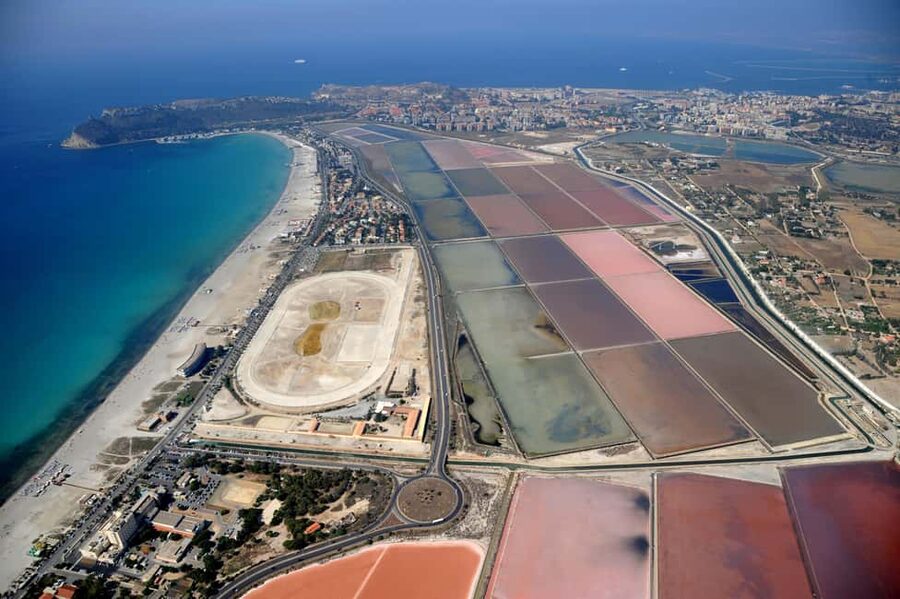
One of the most interesting parts of the route is the historic Salt Route. Salt was once Sardinia’s white gold, and Molentargius preserves the old system of salt pans that supported this industry.
Your guide puts the ponds and channels into context, explaining how the area’s water and salt shaped local work and settlement. This is useful because salt pans can look like simple shallow pools if nobody explains what you are seeing.
The old salt works also give the tour a stronger sense of place. You are not looking at an interchangeable bird reserve. The park’s present-day wildlife habitat grew out of a human-managed system, and the remains of that system help explain why the area looks the way it does.
I would pay close attention here even if birds are your main interest. The salt route provides the cultural side of the visit, while the flamingo area provides the wildlife focus.
Stopping at the Fossil Beaches of Is Arenas
The route also includes the Fossil Beaches of Is Arenas. This stop adds a geological and agricultural layer to the tour, showing that the area’s story reaches beyond salt production.
The name points to ancient beach material preserved in the ground. At the site, your guide connects the fossil deposits with the area’s natural development and agricultural past. It is a useful reminder that this wetland has changed over long periods, not just through recent human use.
This section may appeal most to you if you enjoy landscape details, geology, and local history. It is less likely to be the moment you remember if you came only for close-up flamingo photographs. Still, the variety makes the short tour feel fuller.
Because the entire experience lasts only 90 minutes, stops are necessarily concise. You get an introduction rather than a long field study. That is a fair trade for a compact outing, but visitors wanting a slow, specialist birdwatching session may prefer more time.
More safaris around the world:
- Dubai: Desert Safari, Quad Bike, Camel Ride & Al Khayma Camp
★ 4.9 · 68,962 reviews - Dubai: Desert Safari, Quad Bike, Camel Ride and Sandboarding
★ 4.9 · 43,505 reviews - Dubai: Safari, Quad Bike, Camel Ride, and Buffet Dinner
★ 4.9 · 33,424 reviews - Dubai: Red Dune Safari, Quad Bike, Camel Ride, BBQ Dinner
★ 4.9 · 32,185 reviews
Reaching the Protected Flamingo Area
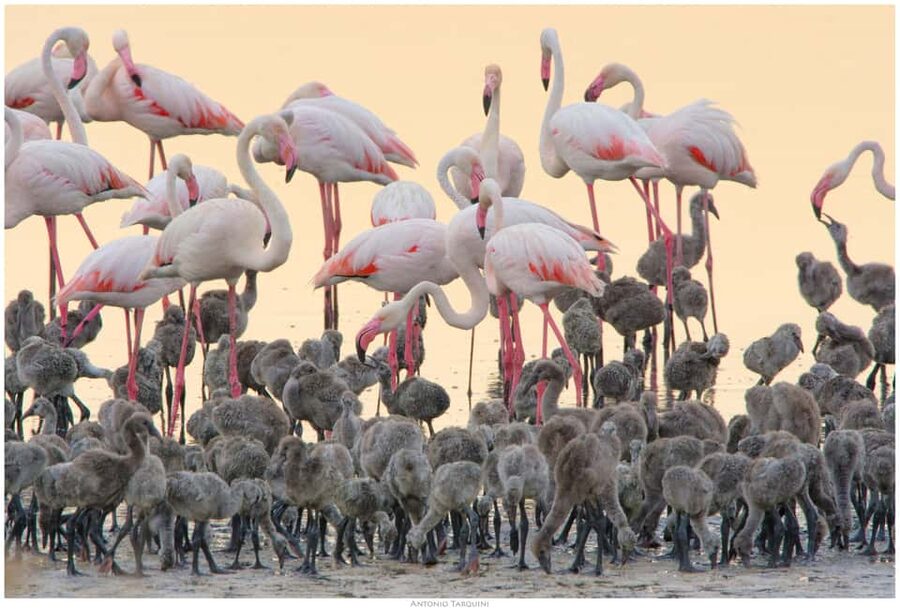
The tour’s strongest practical advantage is access to restricted zones in the park. The protected Ecosystem area is the main nesting site for hundreds of pink flamingos, and official park guides lead the visit there.
That access matters. You are not simply driving around the public edge of the reserve and hoping to spot something. The route takes you into areas that ordinary visitors cannot reach on their own.
Still, restricted access does not guarantee a close view. Flamingos are free to move, and their behavior changes with the weather. Strong wind can discourage them from gathering in visible areas. Rain can also affect the route and the length of the visit.
I would set your expectations at seeing birds in a natural setting rather than getting a guaranteed close encounter. One February outing produced only about ten flamingos, with most very far away. Another group saw fewer birds because of wind, though the guide worked to make the best of the conditions.
That is not a flaw in the wildlife itself, but it does affect the value calculation. If the price feels justified only by a large flock at close range, you may be disappointed. If you value access, interpretation, and the chance to see a protected wetland properly, the outing makes more sense.
Using the Binoculars and Telescope
Shared binoculars and a telescope are provided on board. These tools are important here because birds may remain at a distance, even inside the protected area.
The telescope should offer the best chance to study individual birds. You may see more detail in the flamingos’ shape and color, or pick out smaller birds that would otherwise blend into the wetland. The binoculars help you scan wider areas and follow movement across the ponds.
Because the equipment is shared, you may need to take turns. The information provided does not specify how many people join each departure, so I would not assume that everyone has a personal pair of binoculars throughout the tour.
If you own compact binoculars, bringing them could give you more freedom to keep watching between turns. That is a practical suggestion rather than a requirement, since the tour supplies shared viewing equipment.
The guide’s role is just as important as the optics. Francesco, one guide named in the feedback, was especially well regarded for being friendly and clear. The tour is offered in Italian and English, so check the language when booking if that matters to you.
The Birdlife Beyond Flamingos
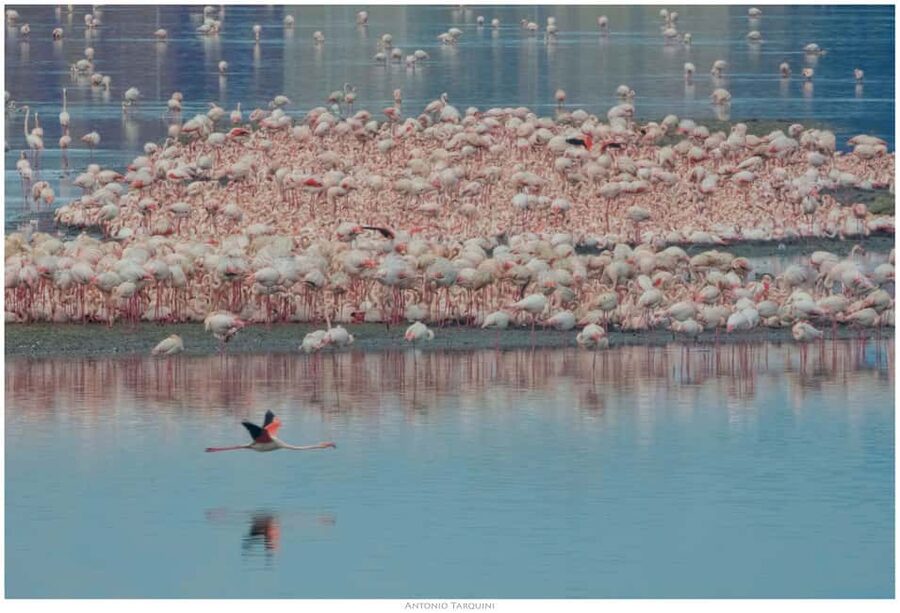
Molentargius is home to more than 250 bird species. The list includes slender-billed gulls, avocets, herons, and the rare sultan chicken.
That range changes the way I would approach the tour. Instead of counting the minutes until the first flamingo appears, scan the water and shore for different shapes and movements. Avocets have an especially distinctive appearance, while herons may reward patience near the water.
The sultan chicken is a rare sighting, not a promise. The same goes for every species on the list. Your guide can help identify birds, but no short visit can guarantee a particular animal.
This makes the tour a good match for curious beginners. You do not need to arrive as a birdwatching expert. The guide supplies the names and context, while the binoculars and telescope make it easier to see what is being discussed.
It also suits families and mixed-interest groups. Someone interested in Sardinian history can focus on the salt pans, while a nature fan watches for birds. The 90-minute length is short enough for people who do not want an all-day wildlife outing.
How Weather Can Change the Experience
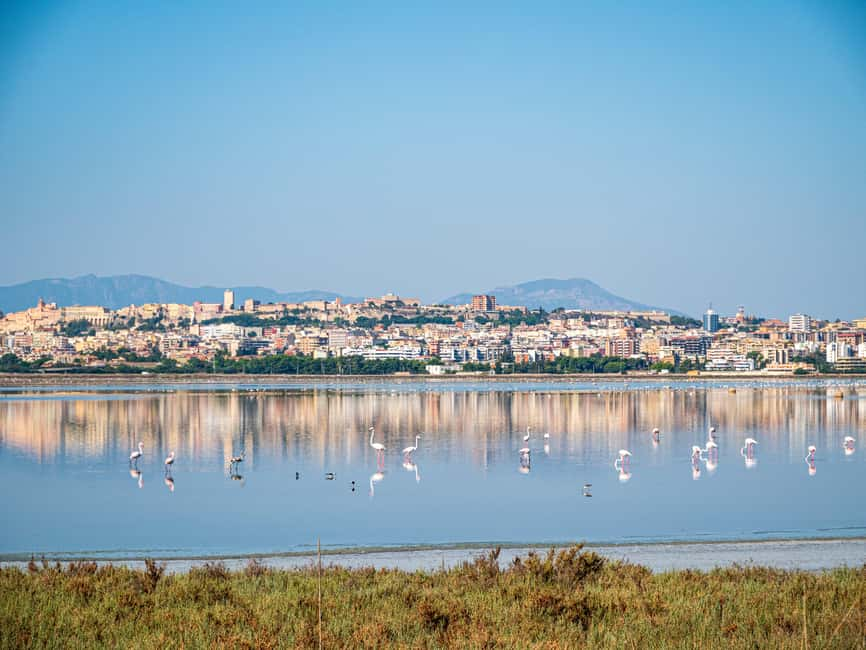
Weather is the one factor you cannot control, and it deserves serious attention before you book. Wind and light rain affected several winter outings, and one experience ended partway through because conditions became too poor.
Flamingos do not cooperate with a timetable. Strong wind may push birds away from the best viewing points, and rain can make the route uncomfortable or force an interruption. A guide can adjust the visit and search for better viewing conditions, but cannot change the behavior of the birds.
I would avoid scheduling this as the one activity you care most about on a day with a poor forecast. The operator allows cancellation up to 24 hours before the start for a full refund, and you can reserve now while paying later. Those terms give you some flexibility if your plans are still shifting.
The forecast also affects clothing. Bring a warm layer in winter and prepare for wind in the open park. One February outing was described as enjoyable but noticeably windy, so a comfortable jacket is more useful than city-only clothing.
Is $29 a Fair Price?
At $29 per person, this is reasonably priced if you want guided access to the protected areas and do not have your own transport or wildlife expertise.
The price covers the electric minibus seat, a live environmental guide, and shared binoculars and telescope use. It also includes access to a route that reaches restricted zones, which is the feature that most clearly separates this experience from a casual walk around the park.
The value drops if you see very few birds and do not care about salt history or geology. In that case, one visitor felt the cost was not justified after seeing only a handful of distant flamingos. That reaction is understandable.
I would think of the $29 as payment for access and interpretation, not for a guaranteed flamingo show. On a good day, you get wildlife, conservation context, salt history, and a comfortable ride for a modest half-day price. On a windy or rainy day, the same fee may feel high if the route is shortened.
Who Will Enjoy This Tour Most?
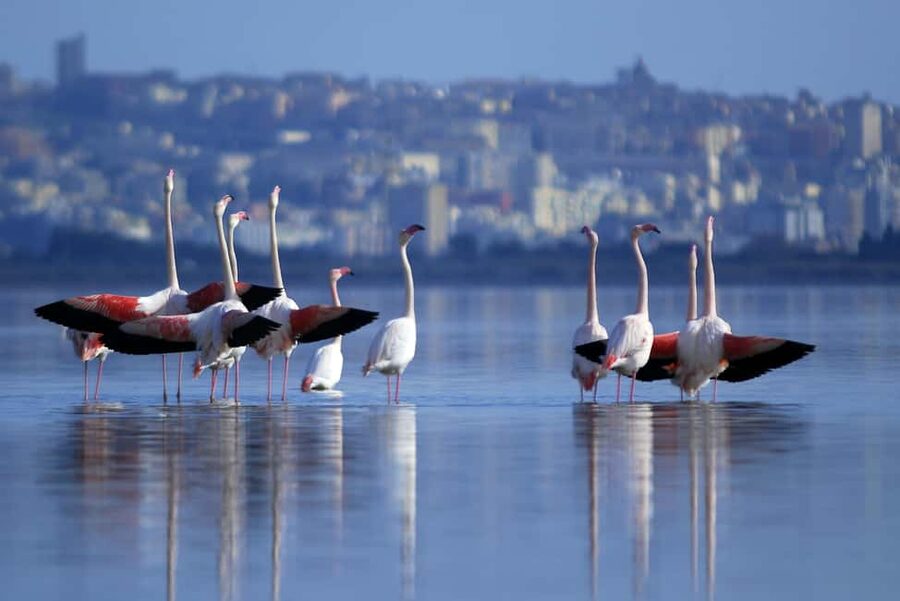
I would recommend it most strongly to:
- First-time visitors to Cagliari who want a nearby nature outing.
- Birdwatching beginners who want help identifying species.
- History-minded visitors interested in Sardinia’s salt industry.
- Photographers who accept that wildlife may remain distant.
- Families and mixed groups who prefer a short ride over a long walk.
- Visitors without much time who can spare 90 minutes.
I would be more cautious if your main goal is a guaranteed close-up flamingo photograph. The park is natural and protected, so distance and weather are part of the deal.
The tour may also feel too brief for serious birdwatchers who want many hours in the field. It gives you a well-organized introduction, not a full-day observation session.
Practical Details Before You Go
You start at the Infopoint Parco Molentargius Saline and return there after the tour. The outing lasts 1.5 hours, with available starting times shown during booking.
Italian and English are the listed guide languages. If you need English, confirm that your selected departure offers it.
The operator is Molentargius Aperto al Mondo. The guides are authorized by the park, and the tour is presented as the official guided route into protected areas.
You receive a seat on the electric minibus and shared access to binoculars and a telescope. Since the equipment is shared, bring personal binoculars if you already own a pair and want uninterrupted viewing.
The tour can be canceled up to 24 hours ahead for a full refund. You can also reserve and pay later, which is useful when weather may affect your decision.
Should You Book the Molentargius Flamingos Tour?
Book it if you want a short, well-explained introduction to one of Cagliari’s most unusual natural areas. The best reasons are the protected access, the electric minibus, and the chance to connect flamingos with Sardinia’s salt-making past.
Go in with realistic expectations. You may see hundreds of birds, but you may also see only a few at a distance, especially in wind or rain. I would choose a calm, dry day when possible, wear warm clothing in winter, and treat the flamingos as wild animals rather than a scheduled performance.
At $29, the tour is a good buy for curious visitors who value access and context. It is a less certain bargain for anyone who wants only close-up wildlife photos.
FAQ
Where does the tour start and finish?
The tour starts and ends at the Infopoint Parco Molentargius Saline.
How long does the tour last?
The guided visit lasts 1.5 hours.
What kind of vehicle is used?
You ride in an electric minibus.
Which languages are available?
The live guide service is available in Italian and English.
Are binoculars provided?
Yes. Binoculars and a telescope are shared during the tour for observing flamingos and other birds.
Can I enter the protected flamingo nesting areas?
Yes. The tour provides access to restricted zones, including the protected Ecosystem area, with authorized park guides.
How many bird species might I see?
Molentargius Park is home to more than 250 bird species, including slender-billed gulls, avocets, herons, and the rare sultan chicken.
Does the tour guarantee close views of flamingos?
No. Flamingos are wild, and wind or rain can affect their location and visibility. Some outings may produce only distant sightings.
Can I cancel if my plans change?
Yes. You can cancel up to 24 hours in advance for a full refund, and you can reserve now while paying later.
New safaris around the world
- Safari Camel Ride in Banana Beach from Agadir★ 5.0 · 10 reviews
- Agadir Quad Bike Safari Desert Sunset★ 5.0 · 29 reviews
- Agadir Buggy safari / off road Experience Half Day | Adventure & Connections ®★ 4.5 · 65 reviews
- Agadir Buggy Safari Adventure★ 5.0 · 93 reviews
- Full-Day Safari Small Desert With Lunch★ 4.5 · 224 reviews
- Agadir Jeep safari 4×4 Desert Adventures with Lunch★ 5.0 · 365 reviews
- Agadir National Park & 4×4 Jeep Desert Safari Tour with Lunch★ 4.5 · 30 reviews
- Jeep safari 4×4 mini sahara desert with Berber Lunch★ 5.0 · 130 reviews
Bird Watching Safaris: how they compare.
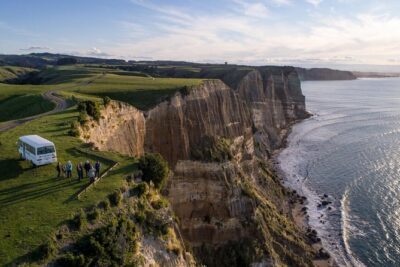
Gannet Safaris Overland tour to Cape Kidnappers Gannet Colony
Read our review →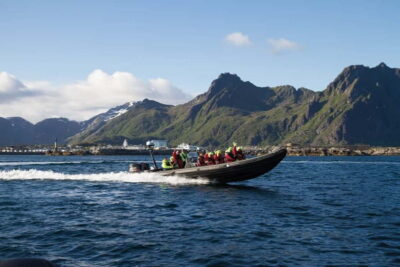
From Svolvær: Lofoten RIB Sea Eagle Safari Trollfjord Cruise
Read our review →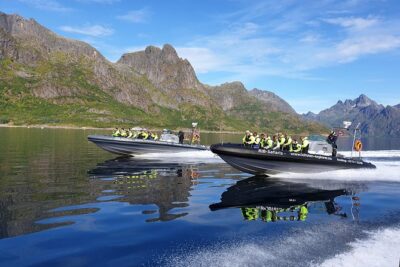
Trollfjord and Sea Eagle Safari Tour from Svolvaer
Read our review →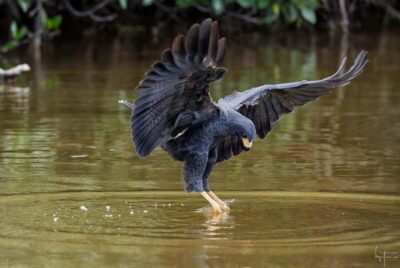
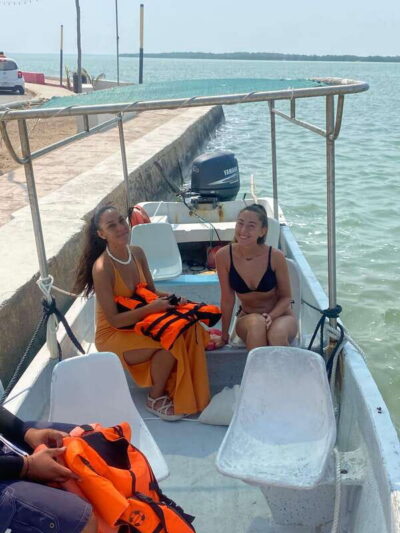
Rio Lagartos and Las Coloradas: EcoSafari Flamingo classic
Read our review →
From Delhi: 5 Day Golden Triangle, Safari, & Bird Sanctuary
Read our review →Other lists this safari sits on