
Review · SAFARI
Salalah: Wadi Darbat, Jabal Samhan, Baobab, Mirbat Sand Dune
East Salalah packs an astonishing amount into one outing: camels beside a wadi, a 4,000-foot mountain drop, old forts, huge baobab trees, and golden dunes by the coast. I like the mix of nature and Dhofari culture, and I like that the SUV gives you access to places that are awkward to connect by local transport. The main catch is seasonal: Wadi Darbat can be green and flowing during khareef, but quite dry in other months.
This is also a very guide-dependent experience. Guides including Adil, Mohammed Ali, Salim, and Tariq have been praised for local stories, family-style help, photo stops, and flexible timing. Bring food or arrange lunch in advance, since there is no dependable restaurant stop among the natural sites.
The essential details at a glance
- Wadi Darbat changes with the season: waterfalls and thick greenery are most impressive during khareef, while the valley remains scenic but much drier at other times.
- Jabal Samhan gives you the biggest view: from roughly 4,000 feet, you look across steep cliffs and cloud-filled mountain country.
- The day covers unusual contrasts: an old castle, coastal cliffs, a sinkhole, baobabs, desert sand, and a wadi all appear in one route.
- Optional costs matter: castle and fort entries, boat or kayak rides, and lunch are not included in the $76 price.
- The guides add much of the value: Adil, Mohammed Ali, Salim, Tariq, and others have been praised for history, local customs, safe driving, and taking good photographs.
- The full-day version is ambitious: it reaches Jabal Samhan, Wadi Hinna’s baobabs, Gravity Hill, and the Mirbat dunes, while the shorter outing focuses on the eastern sights closer to Taqa and Wadi Darbat.
Why this eastern Salalah route works so well
Salalah is easy to underestimate if you only see the city and resort coast. The eastern side quickly shifts from fishing villages to cliffs, then to wadis, high mountains, sinkholes, and dry interior country. This tour gives you a clear sense of that geography without requiring you to arrange a private SUV and separate driver.
I especially like the range of stops. Taqa gives the day a human and historic beginning. Wadi Darbat brings animals and water. Jabal Samhan supplies the dramatic height, while the baobabs and Mirbat dunes provide the odd, memorable finish.
At $76 per person, the value depends on how many people share the vehicle and which version you book. For a solo visitor or a couple, the price can be sensible because it includes hotel pickup, a guide, transport, and bottled water. A private rental may give you more control, but it also leaves you to handle mountain roads, directions, timing, and local context.
The full route takes roughly eight hours, though the activity is advertised as four to eight hours depending on availability and version. It is a busy day, not a slow picnic. You will spend useful time at most stops, but the appeal is seeing many different parts of Dhofar rather than settling into one place.
More drives into the wild around the world:
- Dubai: Desert Safari, Quad Bike, Camel Ride & Al Khayma Camp
★ 4.9 · 68,962 reviews - Dubai: Desert Safari, Quad Bike, Camel Ride and Sandboarding
★ 4.9 · 43,505 reviews - Dubai: Safari, Quad Bike, Camel Ride, and Buffet Dinner
★ 4.9 · 33,424 reviews
Taqa’s castle, cliff, and old Dhofari house
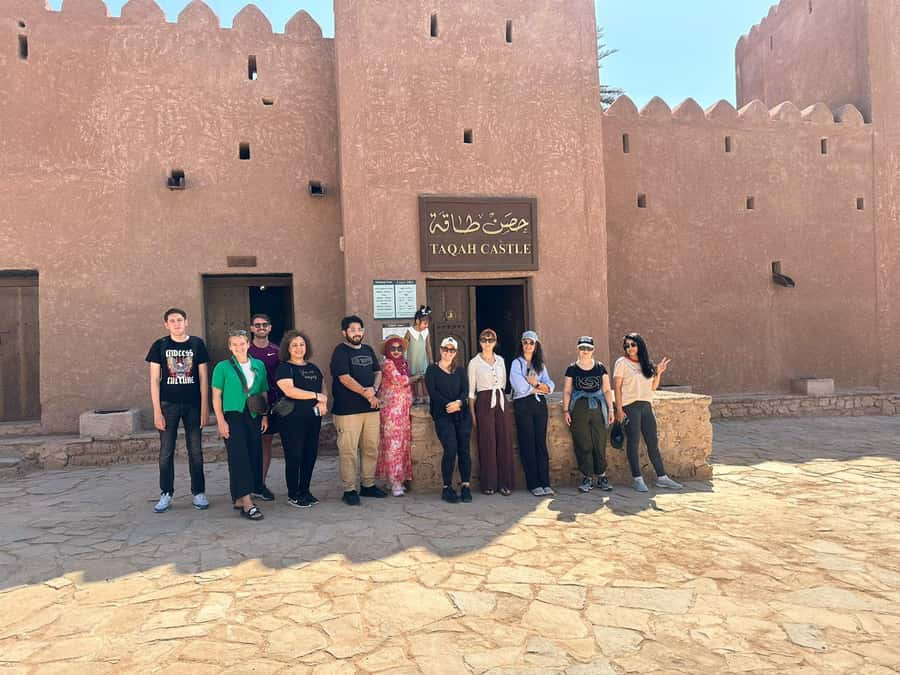
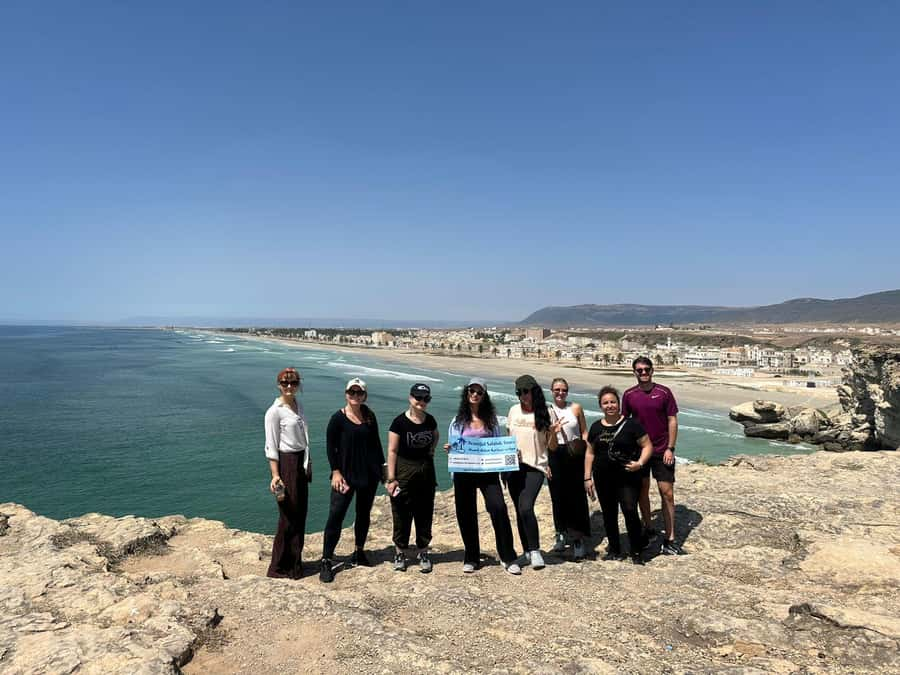
The first major stop is Taqa, a traditional coastal town east of Salalah. Fishing remains part of its identity, and the shore can bring local birdlife into view. From the Taqa cliff, you get a high view over the town and sea, a strong early photo stop before the road turns inland.
Taqa Castle gives the cultural side of the outing some substance. The 19th-century building helps explain how local authority and family life worked before modern roads and hotels changed the region. You can also visit Taqah Fort, known as Burj Al Askar, a lookout with views over the castle and the coast.
The Koofan Heritage House offers a different kind of history. It is a roughly 150-year-old Dhofari home, so the interest is in domestic life rather than military or civic power. Entry to the castle, fort, and house is optional, and tickets cost extra. If you want to keep spending low, you can view the exteriors and surrounding views without entering every site.
I would choose one interior visit rather than trying to pay for everything. The castle is the obvious choice for many people, while the house may appeal more if you want a closer look at traditional local architecture.
Wadi Darbat, where camels meet the water
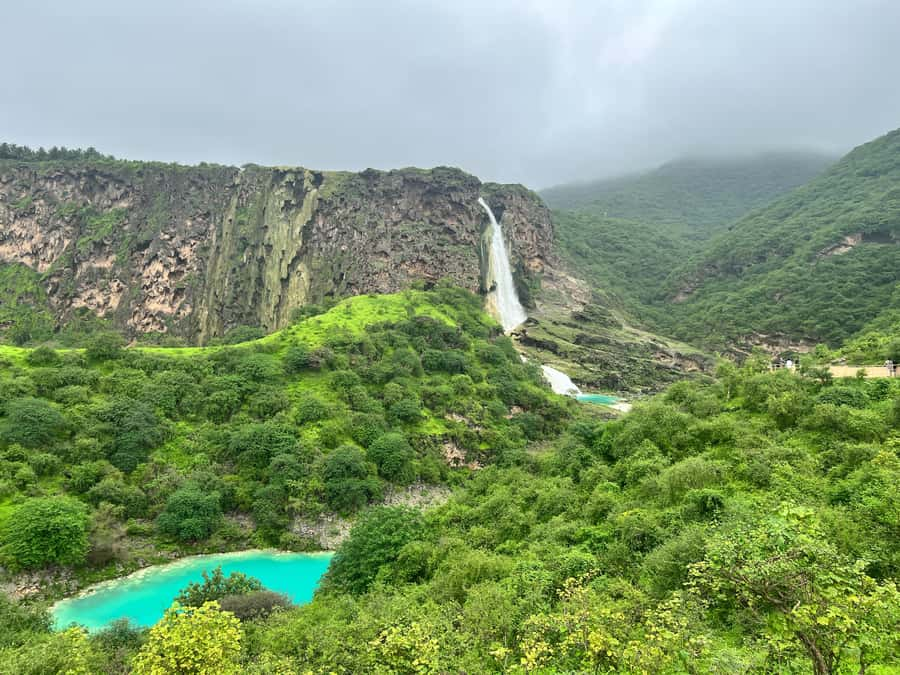
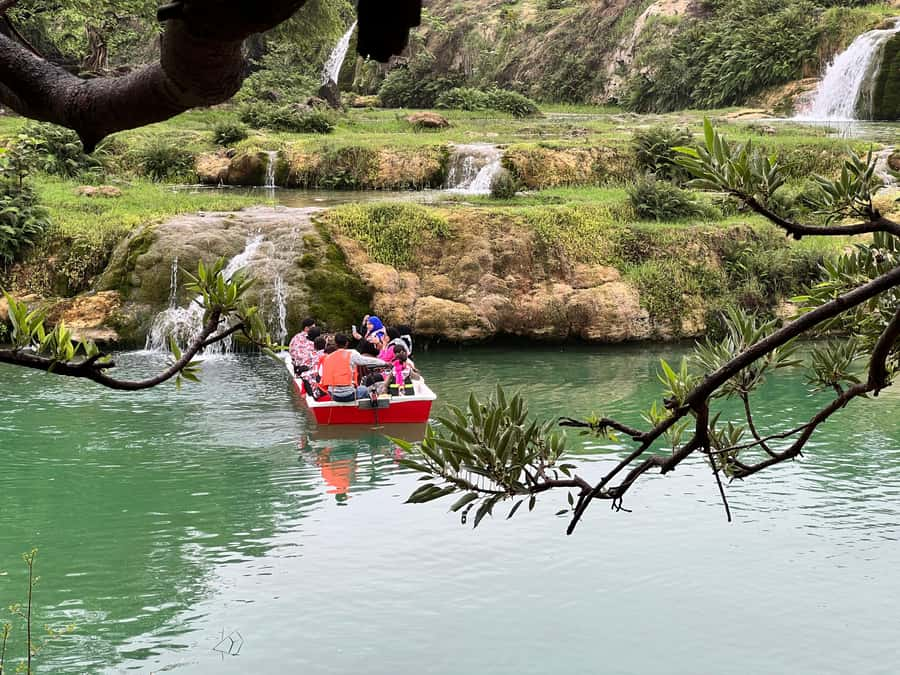
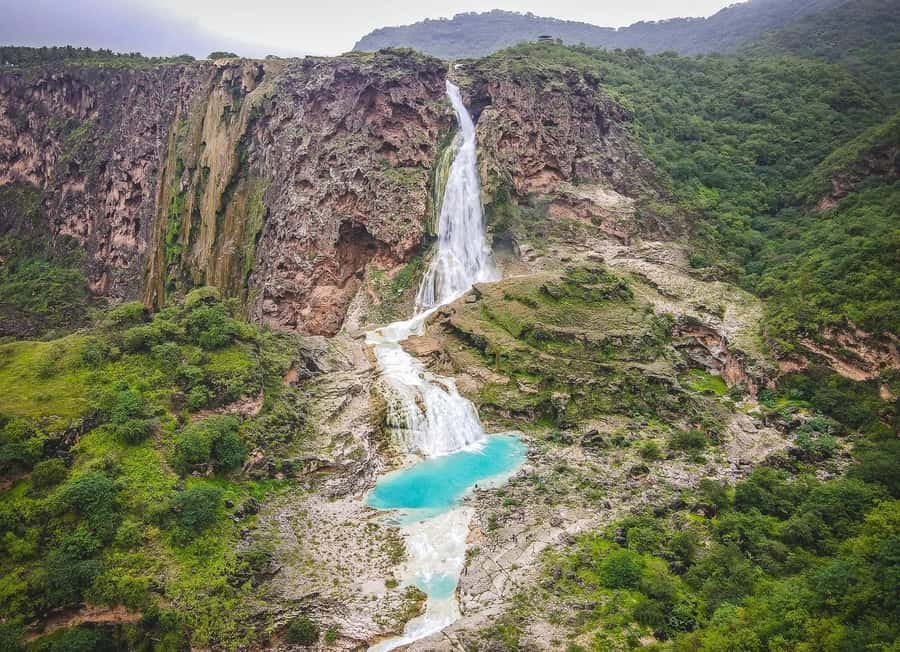
Wadi Darbat is the emotional center of the route. In the green months, seasonal waterfalls run down from the Jabal Al Qara mountains, and the valley can look surprisingly lush for southern Oman. Camels often wander near the water, and horses and cattle have also been seen around the wadi.
During khareef, usually the most celebrated season for Salalah, mist and rain can transform the area. In the dry season, set your expectations carefully. The waterfalls may be weak or absent, and the canal and river can be low or dry. That does not make the stop pointless, but it changes the reason to visit: you come for the valley, animals, mountain setting, and open air rather than guaranteed falls.
The stop includes time at the wadi and an optional boat or kayak ride. The ride costs extra. It can be a pleasant way to slow down, but allow for practical delays. One person had to wait after getting stuck on a boat, so keep an eye on the group schedule and follow the guide’s instructions.
There are cafes and places where you might eat or drink at Wadi Darbat, but food service is not guaranteed as part of the tour. I would carry snacks, especially if you have dietary needs or prefer an early lunch. Breakfast before pickup is strongly advised.
Tawi Attair Sinkhole and the high road to Jabal Samhan
The full-day version continues to Tawi Attair, often called the Birds Well. This huge sinkhole is a striking break in the ground and one of the more unusual natural features in Dhofar. The advertised stop lasts about 30 minutes, so expect a viewpoint visit rather than a long expedition underground.
The route then climbs toward Jabal Samhan, the highest point in southern Oman. At around 4,000 feet, the cliff edge can look out over a sea of cloud, especially when mist gathers along the mountain. On a clear day, the sense of height is the main event. On a cloudy day, visibility can be limited.
That weather issue is important. In heavy mist, the guide may be unable to take you to the best viewpoint or may replace some of the planned time with other activities. This is a sensible safety decision, though it means the tour cannot guarantee the famous above-the-clouds view.
The viewpoint is not the right place for casual risk-taking. Wear proper shoes, stay away from exposed edges, and listen to the driver or guide. The activity is not suitable for people with mobility impairments, pregnant women, or anyone over 95, and the rougher stops may be tiring even for able-bodied visitors.
Same parks, another way to see the animals:
- Dubai: Red Dune Safari, Quad Bike, Camel Ride, BBQ Dinner
★ 4.9 · 32,185 reviews - Dubai: Premium Safari, Camel Ride & Al Khayma Camp 3-Buffets
★ 4.9 · 30,335 reviews - Dubai: Desert Safari with BBQ Dinner & Quad Biking Options
★ 4.9 · 20,485 reviews - Dubai: Half-Day Desert Safari, Camel Ride, ATV & Dune Buggy
★ 4.9 · 19,221 reviews
Baobab trees, Gravity Hill, and the Mirbat dunes
Wadi Hinna brings one of the tour’s most distinctive sights: ancient baobab trees. Their thick trunks and unusual shape feel out of place at first, which is exactly why the stop stays in your memory. The visit is short, around 15 minutes, but that is enough to walk around, take photographs, and appreciate the scale.
The full-day route also includes Gravity Hill, where a vehicle appears to roll uphill while in neutral. It is a simple roadside curiosity rather than a major natural attraction, but it breaks up the driving and gives the group a bit of fun near the end of a long day.
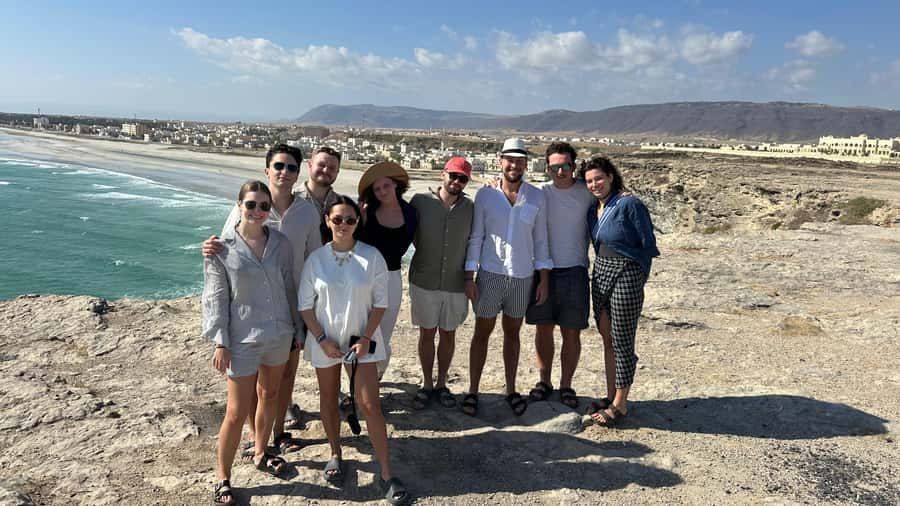
The final major stop is the Ad Damar sand dunes near Mirbat. Here, golden sand meets the mountain backdrop and the coast. The dunes are not simply a desert detour: they show how quickly Dhofar’s scenery can shift from humid mountain valleys to open sand and sea.
The route can finish around late afternoon, depending on the day and the stops chosen. One full-day outing returned to the hotel around 4:30 pm, though you should allow for changes caused by weather, traffic, group timing, or optional activities.
What the SUV ride and guide service are really like
Transport is by Jeep or SUV, with pickup from hotels and apartments in Salalah and Hawana Salalah. Pickup can also be arranged from Salalah airport or port at no extra cost. If you stay in Mirbat or Hinu Bay, an extra OMR 10 per group applies.
The vehicle matters because several stops are spread far apart. You are not simply taking a short city excursion, so expect a fair amount of driving between viewpoints. The reward is access to mountain roads and remote natural sites without having to navigate them yourself.
Guides have included Adil, Mohammed Ali, Salim, Tariq, Lucie, and others. The strongest part of the service is the personal attention: guides have helped solo visitors take photographs, stopped for requested pictures, explained religion and local customs, and added a tea stop or extra photo pause when time allowed.
The experience can be less smooth if more than one language group shares the vehicle. A complaint about a Polish-language group being handled separately while using the same transport shows why it is worth confirming who your guide will be and which language your group is following. Most accounts describe friendly and flexible guiding, but clear communication at pickup will prevent confusion.
Food, clothing, and what to pack
There is no included lunch. You can bring your own meal and snacks, and the guide may stop at Wadi Darbat or Samhan for eating. Since the route visits natural sites rather than a chain of restaurants, do not count on a full meal being available when you want one.
Wear comfortable clothes that cover the knees and shoulders. Omani modest dress is expected, so avoid shorts, mini-skirts, sleeveless tops, and deep necklines. Comfortable walking shoes are enough for many people, though hiking shoes are a better choice if you plan to explore uneven ground.
Pack:
- Water beyond the complimentary bottle
- Snacks or lunch
- Cash and a credit card for optional costs
- Sun protection
- A phone or camera with spare battery
- Shoes with a firm sole
The boat, kayak, castle, fort, and heritage house all cost extra. Carrying both cash and a card is sensible because the tour specifically advises both.
Who will get the most from this trip

I would choose this tour if you have only a day or two in Salalah and want a broad introduction to the region. It is also a good fit for solo visitors, since group tours for one person can be hard to find and the shared SUV creates an easy social setting.
It suits people who enjoy viewpoints, short walks, photography, local history, and changing scenery. You do not need to be a serious hiker, but you should be comfortable getting in and out of an SUV and walking over uneven ground.
The half-day option makes more sense if you want Taqa, Wadi Darbat, and nearby sights without committing to a long day. The full-day version is better for first-time visitors who want Jabal Samhan, the sinkhole, baobabs, Gravity Hill, and Mirbat in one sweep.
I would be cautious about booking it mainly for waterfalls. Outside khareef, Wadi Darbat may be dry, and that has disappointed some people. The same advice applies to Jabal Samhan: mist can hide the view. Treat the weather-sensitive sights as bonuses, and value the route for its variety.
Booking decision
Book this trip if you want to understand eastern Dhofar in one day and prefer a guide to handle the driving. The combination of Taqa’s old buildings, Wadi Darbat’s animals, the sinkhole, Jabal Samhan, baobabs, and Mirbat dunes gives you far more range than a simple city tour.
Skip it if you want a slow day at one wadi, guaranteed waterfalls, or complete control over every stop. Before paying, check whether you are booking the half-day or full-day route, confirm the language arrangement, and budget for food, entry tickets, and boating. For most first visits to Salalah, the full-day option offers strong value, provided you arrive with realistic seasonal expectations.
FAQ
What is included in the tour price?
The price includes a tour guide, pickup and drop-off from hotels and apartments in Salalah and Hawana Salalah, and bottled water. Airport and port pickup in Salalah is also provided at no extra cost.
Are lunch and drinks included?
Lunch is not included. You can bring food and snacks, and the guide may stop at Wadi Darbat or Samhan for a meal. Bottled water is provided.
Are the castle and fort entrance fees included?
No. Entry to Taqa Castle, Taqah Fort, Burj Al Askar, and Koofan Heritage House is optional and costs extra. You can view the buildings from outside without buying an entry ticket.
Does the tour include a boat or kayak ride at Wadi Darbat?
No. Boating and kayaking are optional extras and are not included in the tour price.
Can I book a half-day option?
Yes. The activity is offered for roughly four to eight hours depending on the selected version and availability. The half-day option covers the earlier eastern Salalah sights, while the full-day version adds stops such as Tawi Attair, Jabal Samhan, the baobabs, Gravity Hill, and Mirbat’s dunes.
What should I wear?
Wear comfortable clothing that covers your knees and shoulders, following Oman’s modest dress expectations. Comfortable or hiking shoes are recommended, especially for uneven ground around the natural sites.
New safaris around the world
- Safari Camel Ride in Banana Beach from Agadir★ 5.0 · 10 reviews
- Agadir Quad Bike Safari Desert Sunset★ 5.0 · 29 reviews
- Agadir Buggy safari / off road Experience Half Day | Adventure & Connections ®★ 4.5 · 65 reviews
- Agadir Buggy Safari Adventure★ 5.0 · 93 reviews
- Full-Day Safari Small Desert With Lunch★ 4.5 · 224 reviews
- Agadir Jeep safari 4×4 Desert Adventures with Lunch★ 5.0 · 365 reviews
- Agadir National Park & 4×4 Jeep Desert Safari Tour with Lunch★ 4.5 · 30 reviews
- Jeep safari 4×4 mini sahara desert with Berber Lunch★ 5.0 · 130 reviews