
Review · NAIROBI
Ultimate 12 Days Private Safari Tour in Kenya and Tanzania
The big draw here is the sheer range: in 12 days, you move from rhino country at Ol Pejeta to the lion-filled Masai Mara, across the Serengeti to Ngorongoro, then back through Amboseli with Mount Kilimanjaro in view. This is a private safari, so your group controls the pace more than it would on a shared vehicle.
I like the variety of wildlife areas and the chance to shape the trip around your group’s interests. I also like the guide-centered approach. Names that come up repeatedly in the planning and safari experience include George, Vincent, Joshua, Ben, Peter, Barickiel, and Tuma. The main caution is the price, listed at $17,780 per person, and the amount of driving and border paperwork packed into the route.
Key things to know before booking
- Seven major wildlife areas give you a broad Kenya and Tanzania experience rather than one park alone.
- Ol Pejeta adds rhinos and chimpanzees, with an endangered-species enclosure and strong Big Five potential.
- Masai Mara and Serengeti form the wildlife heart of the trip, especially from July through October during the Great Migration season.
- Ngorongoro and Lake Naivasha break up the game drives with a crater descent, boat ride, and walking safari.
- Amboseli brings the Kilimanjaro views, along with elephants, swamps, dry lakebed, and more than 600 recorded bird species.
- The private format suits families and friends, but you should confirm the exact lodging, vehicle plan, inclusions, and guide assignment in writing.
A big East African route, with very little wasted time
This is an ambitious safari rather than a slow stay in one reserve. You cover a large part of Kenya and northern Tanzania, crossing the Kenya-Tanzania border and visiting seven distinct wildlife settings.
That gives you excellent variety. Ol Pejeta is especially useful for rhino sightings and conservation work. Naivasha offers water and walking time. Masai Mara and Serengeti provide wide-open plains and major predator potential. Ngorongoro packs a great deal of wildlife into a contained crater, while Amboseli supplies the classic Kilimanjaro view.
The tradeoff is simple: you spend long hours on the road. The 220-kilometer drive from Nairobi to Ol Pejeta takes about four hours on the first morning, and later days include long transfers between reserves and across the border. If you want leisurely mornings, long lodge lunches, and several nights in one camp, this schedule may feel rushed.
If your goal is to see many famous safari areas in one trip, the pace makes sense. If your goal is a quiet, slow bush stay, ask the operator to remove a stop or add nights.
More Private Safaris in Kenya
- 5 Days Magical Kenya Safari Private Tour
★ 5.0 · 44 reviews - 6-Day Private Landcruiser Safari to Masai Mara, Nakuru & Amboseli
★ 5.0 · 35 reviews - 3days Masai Mara private safari with a 4×4 land cruiser Jeep
★ 5.0 · 34 reviews
Day 1 and Day 2: Ol Pejeta for rhinos and conservation
Pickup is planned for 6:00 a.m. at Jomo Kenyatta International Airport, with pickup also offered from a Nairobi hotel or residence. The drive heads north through Kenya’s central highlands, with possible stops to see coffee and tea plantations along the way.
You reach Ol Pejeta for lunch, then take your first game drive. That first afternoon matters because it gets you into the reserve right away instead of using the whole day for transit.
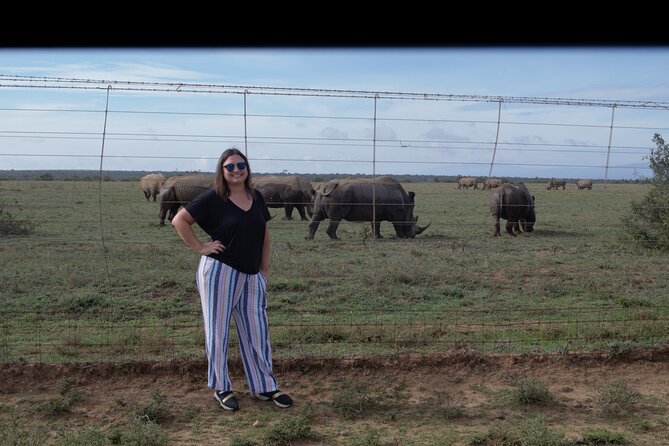
Ol Pejeta is one of the most distinctive stops on the route. You may see the Big Five, but the reserve’s strongest appeal is its endangered-species work. The itinerary includes the drive-through endangered species enclosure, where black rhinos are a major focus, as well as rescued chimpanzees.
You also have a full second day here for private game drives. Six lion prides are reported across the plains, and the reserve can also produce other big cats, African wild dogs, Grevy’s zebras, buffalo, elephants, and rhinos.
I like the two-night start. It gives you time to settle into the vehicle and lets your guide adjust the game drives around what your group wants to see. It also keeps the first wildlife stop from becoming a hurried afternoon visit.
Day 3: Thompson’s Falls, Lake Naivasha, and Crescent Island
Day 3 begins with an early game drive at Ol Pejeta before the route turns toward the Rift Valley. You stop at Thompson’s Falls, a 74-meter cascade, then continue to Lake Naivasha.
This is a welcome change of pace. Instead of watching wildlife only from a safari vehicle, you take an afternoon boat ride across the lake. Hippos and water birds are the main attractions, and you might see antelope, zebra, buffalo, eland, and impala near the shore.
The plan may also include a guided walk at Crescent Island Game Sanctuary. This small park is known for close views of grazing animals such as impala and gazelle. The walking element gives you a different sense of scale and movement after two days in a vehicle.
You can also add Hell’s Gate National Park for $35 per person. Since this is optional and costs extra, ask how it would affect the boat ride, walk, and driving schedule before choosing it. Lake Naivasha is one of the itinerary’s better breathing spaces, so I would not add the extra park automatically if your group is already tired.
Day 4 and Day 5: The Masai Mara at its best
After breakfast, you drive toward the Masai Mara through the Great Rift Valley and Masai country. The afternoon arrival includes a game drive across rolling grassland and acacia country.
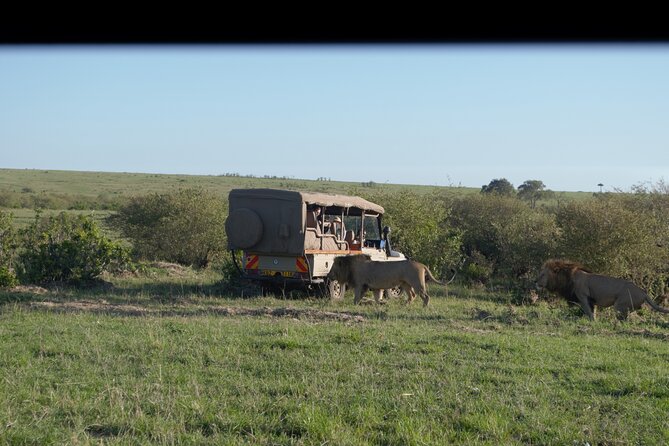
The Masai Mara is the place on this route where the wildlife viewing can feel most immediate. Lions are common, and you may also search for elephants, giraffes, ostriches, warthogs, buffalo, and other plains animals. The open setting makes it easier to scan for moving animals, though sightings are never guaranteed.
Day 5 is set aside for extended game viewing. An early start is worth it. Morning light reveals tracks, gives the plains a cooler feel, and can put you out before the heat of the day.
From July through October, the Mara is part of the Great Migration route. You could see large herds moving through the reserve, and the itinerary specifically points to the possibility of wildebeest crossing the Mara River. That is a powerful seasonal bonus, but do not book solely for a guaranteed river crossing. Wildlife follows its own calendar, not the calendar on your booking confirmation.
The Mara is one of the strongest reasons to choose this trip. You get an afternoon arrival day plus a full game-drive day, which is far better than a quick pass through. Still, you should confirm how much time your group will actually spend inside the reserve, since road conditions and border plans later in the trip can affect the pace.
More Private Safaris in Nairobi
- Overnight Private Safari To Masai Mara
★ 4.8 · 13 reviews - From Nairobi : 2-Days 1-Night Masai Mara Private 4WD Safari
★ 4.8 · 10 reviews
Day 6 and Day 7: Crossing into the Serengeti
Day 6 takes you from the Masai Mara into Tanzania and onward to the Serengeti. The two areas are connected ecologically, so this is not a sudden change from one kind of wildlife country to another. You continue through the same broad plains system associated with large herds and predators.
An afternoon Serengeti game drive begins your Tanzanian section. Day 7 allows a full day of game viewing, with the choice of morning and afternoon drives or one longer outing.
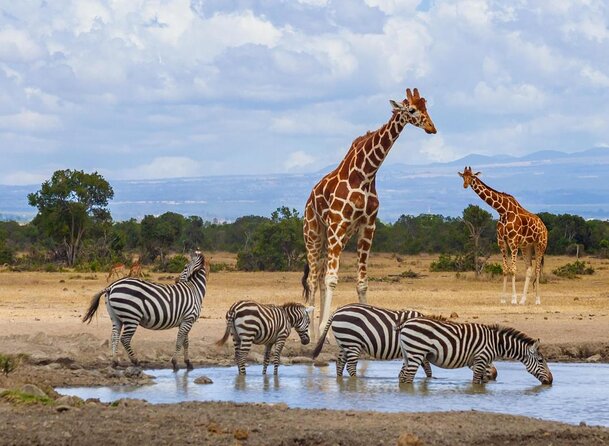
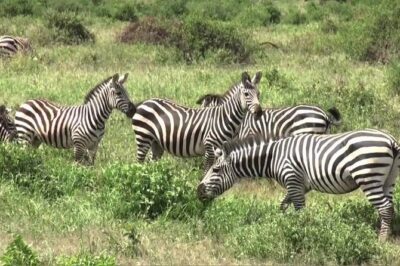
The Serengeti is especially appealing if you want more space and a strong chance to search for cats. The itinerary lists lions, cheetahs, zebras, giraffes, Thomson’s and Grant’s gazelles, eland, impala, klipspringer, hippos, and warthogs.
Radio transmitters on some lions help track their movements. That detail gives your guide another useful tool when searching for prides, though it does not turn wildlife watching into a guaranteed appointment.
The key practical question is the border crossing. You should ask exactly where immigration formalities occur, how luggage is handled, and whether you use the same vehicle throughout. The listed route says you cross from Kenya into Tanzania, but the supplied details do not specify the full transfer procedure.
Day 8: Ngorongoro Crater and a memorable overnight
You leave the Serengeti for the Ngorongoro Conservation Area and descend to the crater floor for game viewing. A picnic lunch is planned on the crater floor before you climb to the rim for the night.
Ngorongoro works well late in the safari because it concentrates the experience. You are looking down into a huge natural bowl where animals may include lions, elephants, buffalo, antelope, and other plains species. The itinerary does not promise specific sightings, but the crater is widely valued for the amount of wildlife found in a contained area.
The rim is also one of the scenic highlights. Sunset and sunrise views are part of the appeal, and this overnight gives you a chance to see the crater from above rather than treating it as only a game-drive stop.
The drawback is timing. A crater descent, picnic, game drive, ascent, and overnight transfer make for a full day. If your group has mobility concerns, ask the operator for the exact walking and vehicle arrangements. The tour states that most people can participate, but it does not provide more detailed accessibility information.
Day 9: Lake Manyara and a local market stop
After breakfast, you continue to Lake Manyara, stopping at the local market in Karatu. This adds a human and commercial stop between the major parks, though the details of shopping time are not specified.
At Lake Manyara, you take game and bird-watching drives. The park is associated with tree-climbing lions, an unusual sight if conditions and animal behavior cooperate. You may also see a broad mix of wildlife and birds, but the main value here is contrast with the Serengeti and crater.
Lake Manyara is a shorter stop than some of the others, so it works best as part of the larger route rather than as the sole reason to book the trip. If your group cares deeply about birding or tree-climbing lions, tell the guide early. A private vehicle gives you a better chance to discuss priorities than a fixed shared departure.
Day 10 and Day 11: Amboseli and the Kilimanjaro view
Day 10 returns you to Kenya through the Namanga border crossing, where immigration formalities take place. You then continue to Amboseli National Park for an afternoon game drive.
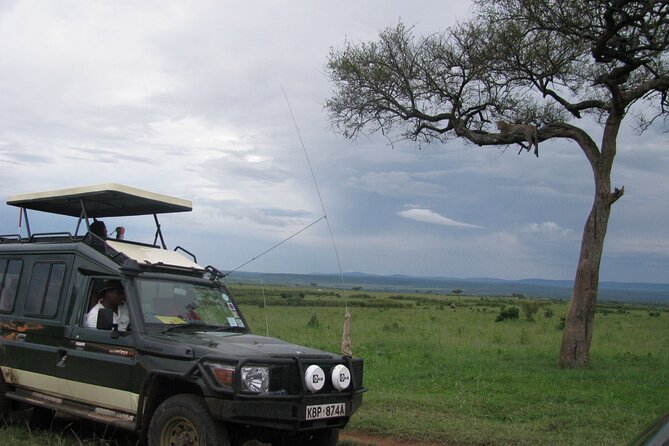
Amboseli looks and feels different from the Mara and Serengeti. Its setting includes a dry lakebed, open plains, and green swamps. Elephants are a major attraction, and the park also supports antelope, spotted hyenas, jackals, warthogs, baboons, vervet monkeys, lions, cheetahs, buffalo, giraffes, zebras, crocodiles, mongooses, hyraxes, and a long bird list.
The mountain view is the headline. Weather permitting, clouds clear from Mount Kilimanjaro and reveal its snow-capped peak. Observation Hill is described as an easy climb and provides a strong place to look across the park.
Day 11 allows unlimited game drives, which is valuable after the border crossing. You can use the day to focus on elephants, predators, birds, or the mountain rather than trying to check every species off a list.
I especially like having two nights in Amboseli at the end. It gives you a chance to recover from the Kenya-Tanzania transfer and offers more than one opportunity for a clear Kilimanjaro view. Mountains make their own schedule, so cloudy conditions are always possible.
Day 12: A final Amboseli drive and the journey back
The last day begins with an early, pre-breakfast game drive. A further game drive in Amboseli is included, with the focus on predators and grazing animals.
That early timing is sensible. Cooler hours can be productive for wildlife, and the soft morning light is better for photographs than the hard middle-of-day sun. The supplied plan labels the final stop as Nairobi, but it does not give a detailed arrival time or transfer schedule.
Ask for that information before booking flights or adding another Nairobi plan. You will want to know whether the final drive and road transfer are designed to end at the airport, a hotel, or another Nairobi address.
Guides, private travel, and the real value of the price
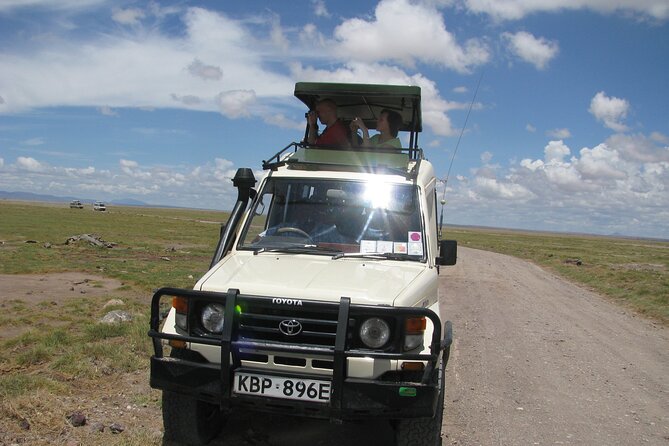
The private setup is the tour’s biggest practical advantage. Only your group takes part, so you can discuss early starts, longer sightings, rest breaks, and wildlife priorities with your guide.
Several guide names are associated with this safari operation, including George in Kenya and Vincent or Joshua in Tanzania. Ben, Peter, Barickiel, and Tuma are also named in connection with trips from the same company. You should request your preferred guide, but get the final assignment confirmed rather than assuming a particular person will lead the whole route.
At $17,780 per person, this is a serious purchase. The value depends heavily on what that figure includes. The itinerary confirms private touring, meals on several days, admissions at some parks, pickup, and accommodation planning that can be adjusted to group needs. It does not spell out the hotel and camp names, room category, vehicle type, international flights, visas, tips, drinks, or every park fee.
Before paying, request a written cost sheet covering:
- Every night’s accommodation and meal plan
- Park fees and conservation charges
- Border-transfer arrangements
- Vehicle type and seating
- Guide assignment in each country
- Airport and hotel drop-off details
- Optional activities and extra charges
- Tips, drinks, visas, and other exclusions
The booking pattern, with reservations made about 51 days ahead on average, suggests you should not leave planning to the last minute. This matters even more during the July to October migration season.
Who should book this safari?
I would choose this trip if you want a broad first look at Kenya and Tanzania and prefer a private vehicle to a fixed group. It fits families, couples traveling with friends, and groups that want to adjust the days around wildlife interests.
It also suits people who place high value on guides. Strong guiding can shape the safari, from finding predators to explaining animal behavior and managing the long drives. Names such as George and Vincent are worth requesting if available.
I would think twice if you dislike frequent hotel changes, long road transfers, or uncertain border timing. The route is packed, and the price is high enough that you should not accept vague answers about lodging and inclusions.
Free cancellation is available if you cancel at least 24 hours before the local start time. Changes or cancellations inside that window are not accepted for a refund, so keep that deadline in mind.
Should you book the 12-day Kenya and Tanzania route?
Book it if your priority is variety: rhinos at Ol Pejeta, the Mara and Serengeti plains, Ngorongoro Crater, Lake Manyara, and elephants beneath Kilimanjaro in one private trip.
I would make the booking only after confirming the accommodation level and full price breakdown. At $17,780 per person, the trip needs to match your expectations for lodging, vehicle comfort, guiding, and transfers. If those details are solid, this is a powerful route for a group that wants many of East Africa’s major wildlife settings without planning each leg alone.
FAQ
How long is the safari?
The safari lasts approximately 12 days.
Where does the tour begin?
Pickup begins at 6:00 a.m. from Jomo Kenyatta International Airport in Embakasi, Nairobi. Pickup is also offered from a Nairobi-area hotel or residence.
Is this a private tour?
Yes. Only your group participates in the activity.
Which parks and reserves are included?
The route includes Ol Pejeta Conservancy, Lake Naivasha, Masai Mara National Reserve, Serengeti National Park, Ngorongoro Conservation Area, Lake Manyara, and Amboseli National Park.
Is the Great Migration included?
The Masai Mara and Serengeti are part of the Great Migration route. The itinerary notes that migration viewing is most likely from July through October, but specific herd movements and river crossings cannot be guaranteed.
Are any activities optional or charged separately?
Yes. A visit to Hell’s Gate National Park from Naivasha is listed as an optional activity at an extra cost of $35 per person. Balloon safaris and guided nature or bird walks are also listed as optional activities, though no prices are provided.
Can I cancel for a full refund?
You can cancel for a full refund if you cancel at least 24 hours before the experience’s start time. Cancellations or changes made less than 24 hours before the local start time are not accepted for a refund.
More Multi-Day Safaris around Nairobi
- 5 Days Masai Mara, Lake Nakuru & Naivasha Budget Joining Safari
★ 5.0 · 229 reviews - 3 days group joining safari to Maasai Mara with a Land Cruiser Jeep
★ 5.0 · 173 reviews - 3 Day Masai Mara Budget Joining Safari on 4×4 – Daily Departures
★ 5.0 · 105 reviews - 4-Day Group 4×4 Safari to Masai Mara & Lake Nakuru with Pick-Up
★ 5.0 · 87 reviews
New safaris around Nairobi
- 5-Hour Nairobi National Park 4×4 Safari with Free Pickup★ 4.6 · 16 reviews
- Overnight Private Safari To Masai Mara★ 4.8 · 13 reviews
- Nairobi: Cabaret Show with Dinner at Safari Park Hotel★ 4.9 · 11 reviews
- Nairobi: The Safari Cats Show Tickets & Buffet Dinner★ 4.4 · 29 reviews
- Nairobi: 4 Day Masai Mara and Lake Nakuru Camping Safari★ 4.6 · 46 reviews
- Nairobi: ATV/Quad Bike Wildlife Safari with Transfers & meal★ 4.9 · 13 reviews
- Nairobi: 3-Days 2-Nights Maasai Mara Group Safari in 4×4★ 4.6 · 54 reviews
- Nairobi: 4-Day Maasai Mara & Lake Nakuru Camping Safari★ 4.5 · 77 reviews
Nairobi Safaris: how they compare.
Half-Day Nairobi National Park Safari from Nairobi with Free Pickup
Read our review →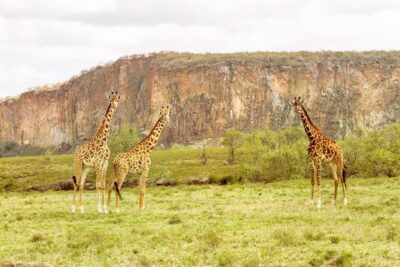
5 Days Masai Mara, Lake Nakuru & Naivasha Budget Joining Safari
Read our review →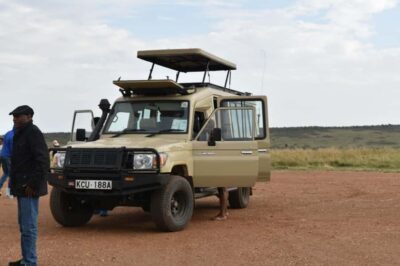
3 days group joining safari to Maasai Mara with a Land Cruiser Jeep
Read our review →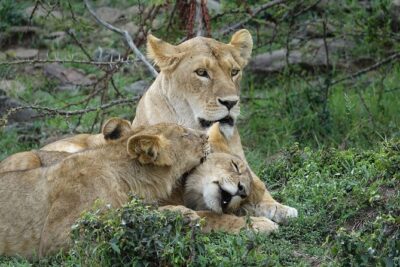
3 Day Masai Mara Budget Joining Safari on 4×4 – Daily Departures
Read our review →4-Day Group 4×4 Safari to Masai Mara & Lake Nakuru with Pick-Up
Read our review →
Other lists this safari sits on