
Review · JAIPUR
Jhalana Panther Safari Park Tour in Jaipur
Jhalana Panther Safari gives you a real chance to see free-ranging leopards only a short drive from Jaipur. The best moments can be wonderfully wild: one vehicle spotted a panther, and another driver quickly took his group over for a look. Sightings are never promised, though, and some visitors spend two hours seeing little more than birds and the park’s dry scrub.
I like the open 4×4 vehicles, which give you a better view than a closed van, and I like that a naturalist or wildlife guide rides along to point out animals and birds. The included permits and still camera fee also keep the basic price clear. The main drawback is that the park can feel small and busy, with dirt tracks, artificial waterholes, and several vehicles gathering around a sighting.
Key points to know before booking
- Leopard sightings are possible, not guaranteed: Some outings see two leopards, while others see none.
- The safari lasts about 2 hours and 30 minutes: That gives your driver time to search, but conditions matter.
- The group limit is six people: Shared seating can still create delays or cramped moments.
- The park sits near Jaipur: It is an urban forest reserve, not a remote wilderness trip.
- Season changes the experience: Monsoon grass can hide animals, winter can reach 2 degrees Celsius, and summer is hot.
- The $45 price covers important basics: Safari permits, permit management, the interpretation centre, and still camera fees are included.
A leopard safari inside Jaipur
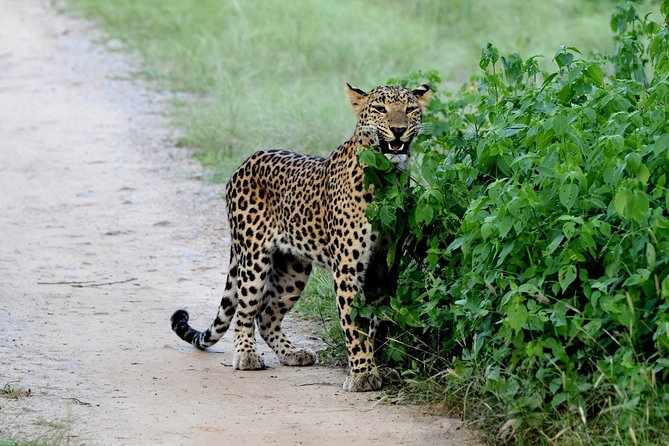
Jhalana Panther Safari Park offers something unusual: a wildlife outing without leaving Jaipur’s urban area. The reserve covers about 23 square kilometres and is known for its leopard population, along with panthers, hyenas, desert foxes, birds, and other smaller animals.
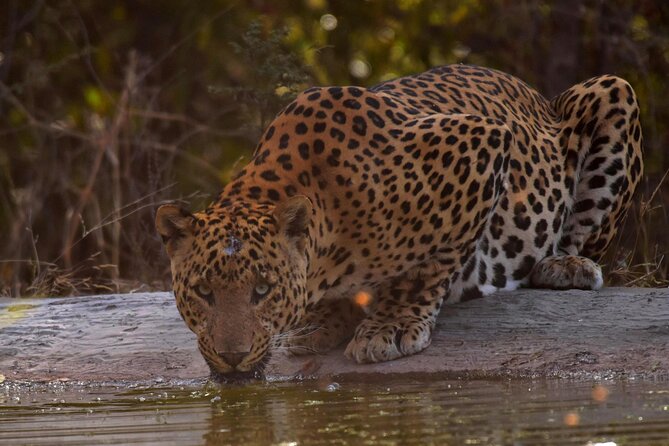
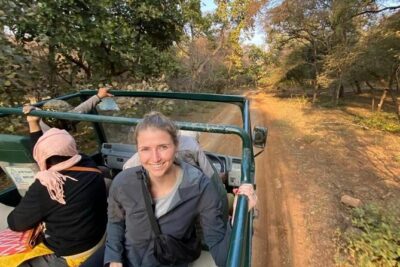
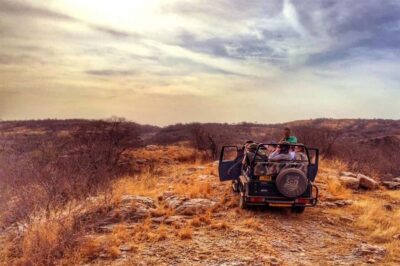
You travel in an open 4×4 along unpaved tracks. The vehicle takes you through the reserve and toward areas where animals may appear, including waterholes. Your driver and naturalist watch for movement, tracks, calls, and the telltale gathering of other safari vehicles.
The setting is not a grand national park with endless plains. Jhalana is an urban forest, and parts of it can feel dry, scrubby, and carefully managed. That is part of the experience. You are seeing wildlife in a protected area pressed close to a major Indian city, not entering a remote wilderness far from roads and buildings.
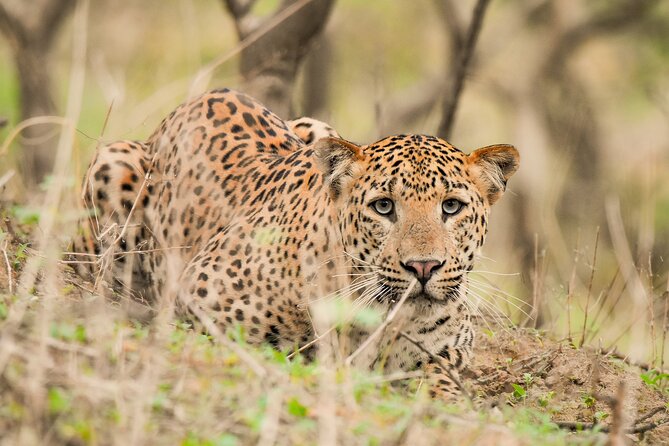
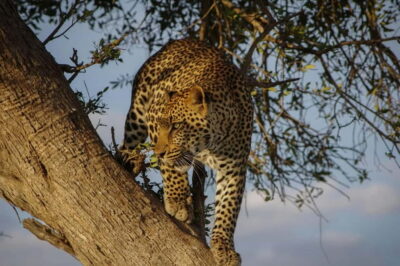
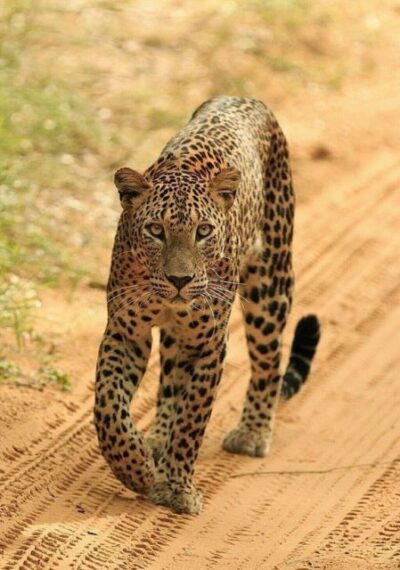
The strongest reason to go is the possibility of a leopard sighting. A leopard may be resting in a tree, crossing a track, feeding on a deer, or staying hidden in thick grass. One especially fortunate outing included a wild leopard eating a dead deer. Another saw two leopards, though they were sleeping and far away.
You should also accept the less dramatic outcome. A safari is a search, not a show. Some drives produce no leopard at all. You may still see birds and smaller animals, but you should not book this expecting a guaranteed big-cat encounter.
More safari parks and zoos around India:
- Dubai: Dubai Safari Park Entry Pass
★ 4.4 · 1,905 reviews - Miami: Everglades Safari Park Airboat Tour
★ 4.4 · 1,267 reviews - Orlando: Drive-Thru Safari Park at Wild Florida
★ 4.7 · 560 reviews
What happens at the entry gate
The experience begins at the World of Wilders meeting point on Central Road in the Malviya Nagar Industrial Area. The listed location is inside the city, near Malviya Nagar. Free pickup is available within 8 kilometres of the safari entrance, while hotel pickup and return beyond that distance cost an additional $35.
The drive to the gate is in an open 4WD vehicle. That arrangement is practical, but it also means you should think about the weather before leaving your hotel. In winter, the temperature can fall to about 2 degrees Celsius, so a warm jacket is not optional. In April through June, bring a hat and sunglasses for the strong heat.
At the entrance, the driver explains which naturalist will accompany you. The safari permits and permit handling are included, so you do not need to sort out the entry paperwork yourself. The visit to the interpretation centre is also included, giving you a short introduction to the reserve and its wildlife.
The group limit is six people. That is a reasonable number for a small open vehicle, but shared departures may involve a wait of five to ten minutes while the vehicle fills. Seating problems have also occurred when larger family groups arrive, so clarify the seating arrangement if you are particular about space.
Two and a half hours on the dirt tracks
Once inside, the main activity is a slow search through the reserve. The 4×4 follows dirt roads and stops near places where animals may be resting or drinking. You are not simply driven from one fixed exhibit to another. The crew adjusts the route according to recent sightings and information from other vehicles.
That flexibility can produce the safari’s best moments. One driver heard about a panther seen by another vehicle and hurried over so the group could see it too. This kind of cooperation matters in a relatively compact reserve, where drivers can share information and give you a better chance of finding an animal.
The naturalist’s role is important. A good guide helps you notice birds, movement in the scrub, and animals you might miss from the back seat. The strongest feedback about the experience focuses on drivers who pointed out wildlife, gave people time to look, and kept searching when a leopard did not appear.
English ability may vary. The tour information refers to a naturalist, but at least one booking included a guide who did not speak English well despite the expectation of an English-speaking guide. If naturalist commentary is central to your plans, confirm the language before paying.
The open vehicle gives you broad views and makes photography easier. It also leaves you exposed to sun, cold, dust, and rain. During the rainy season, July through August, full-length clothing helps protect against mosquitoes. Monsoon rain can also make the ride less comfortable, especially because the vehicle is open.
The animals you might see
Leopards are the star, but they are not the only reason to keep watching. Jhalana is home to hyenas, desert foxes, birds, and other wildlife. The smaller sightings can give the outing its rhythm when the main cat stays hidden.
You might see a leopard sleeping at a distance, which is still a genuine sighting but not a close encounter. You might see one moving through thick cover for only a few seconds. Or you might see none. Bring binoculars if you have them, since the available viewing distance can be considerable.
The phrase panther can cause some confusion. In this setting, it refers to the reserve’s leopard population, not a separate species. The experience is best understood as a leopard safari near Jaipur.
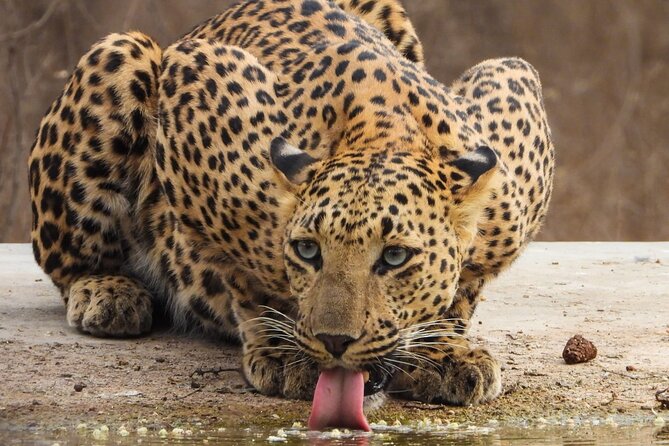
The reserve’s wildlife is free-ranging. That is why the outcome cannot be controlled. Waterholes may attract animals, but they do not guarantee that one will appear while your vehicle is there. Several other 4x4s may also wait at the same spot, which can make the scene feel more organized and commercial than some visitors expect.
More safaris around India:
- Private 4-Day Golden Triangle Tour with Ranthambore Tiger Safari
★ 5.0 · 248 reviews - From Jaipur: Ranthambore National Park Day Trip with Safari
★ 4.6 · 244 reviews - Desert Camel Safari Day Tour In Jodhpur
★ 5.0 · 161 reviews - Tiger Safari in Ranthambore National Park
★ 4.5 · 124 reviews
What the park feels like in different seasons
Your timing can make a real difference.
From November to February, the weather is cold, especially in the open vehicle. Temperatures may reach 2 degrees Celsius, so wear layers and cover your ears and hands if you feel the cold easily. The cooler months can be more comfortable for wildlife viewing once you are dressed properly.
April through June brings serious heat. A hat and sunglasses are recommended, and you should expect strong sun during the ride. The open vehicle offers no full shelter, so lightweight clothing and sun protection are sensible.
July through August is the rainy period. Rain is limited in the region, but the reserve becomes greener and the grass grows taller. That can make the park attractive to look at, yet it can also reduce leopard sightings because animals are harder to spot. Mosquito protection and full-length clothing are useful.
Monsoon conditions also carry the greatest risk of a wet ride. An open jeep that feels pleasant in dry weather is a poor shelter in rain. If your schedule is flexible, choose a morning or afternoon departure based on weather and temperature rather than assuming one time is always best.
Is the $45 price fair?
At $45 per person, this is not the cheapest short activity in Jaipur. The price makes more sense when you count what is included: safari permits, permit management, the interpretation centre, and the still camera fee.
The duration is about two hours and thirty minutes, which is enough time to search properly rather than make a quick circuit. You also receive transport to the gate from the meeting point, and free pickup is available within 8 kilometres of the entrance. The price becomes less attractive if you need the $35 hotel transfer surcharge or if you expect a private vehicle and personal guide.
There is an important distinction between a small group and a private safari. The maximum group size is six, but sharing is possible. Some bookings have had seating or loading delays when larger groups arrived. If you want guaranteed privacy, ask specifically about the vehicle arrangement before booking rather than assuming the word private means exclusive use.
The included still camera fee is useful for casual photography. It does not change the fact that good wildlife photos depend on distance, light, and luck. A sleeping leopard far away may be memorable, but it may not fill your camera screen.
The park’s honest limitations
Jhalana can feel artificial if you expect a vast, untouched wilderness. Dirt roads, man-made waterholes, and clusters of safari vehicles are part of the visit. Some people find that disappointing, particularly when no major animal appears.
I think the right comparison is not a remote national park. Think of it as a convenient urban wildlife outing with a real chance of a leopard. That makes it a strong choice for a short Jaipur itinerary, but a weaker choice if your main goal is a dramatic, guaranteed safari scene.
The park is also relatively small. That helps drivers coordinate sightings and keeps the excursion manageable, but it limits the sense of open space. You may spend time circling familiar tracks or waiting near a waterhole while several vehicles gather nearby.
The tour’s 91 percent recommendation rate and 4.7 rating from 127 reviews reflect a generally positive experience, but the lower ratings point to the exact risks you should understand: no leopard sighting, weak English commentary, rain, crowded vehicles, and a setting that may feel too commercial.
Who should book this experience
I would recommend Jhalana to you if you have limited time in Jaipur and want a genuine chance to see wildlife without committing to a distant park. It suits families, first-time safari visitors, photographers who are comfortable with uncertain results, and anyone who enjoys birds and smaller animals as well as leopards.
It is also a good fit if you can accept a quiet outing. The best safari attitude is patient and realistic. You may spend much of the time watching scrub, listening for clues, and waiting for the driver to spot something.
I would think twice if you need a guaranteed leopard, a polished English-speaking guide, or a spacious private vehicle. I would also reconsider an afternoon departure during the hottest months unless you are comfortable with strong sun in an open jeep.
Book early if your dates are fixed. The experience is booked about 35 days in advance on average, which suggests that popular morning and afternoon slots can fill ahead of time.
Practical details that matter
Confirmation is provided at booking, and the activity ends back at the meeting point. Public transportation is nearby, and most people can participate.
Wear closed, comfortable clothing suited to the season. In winter, bring warm layers. In summer, use a hat and sunglasses. In the rainy months, choose full-length clothing for mosquito protection and prepare for the possibility of rain in the open vehicle.
Keep your expectations focused. The included permit and camera fee are helpful, but neither one improves your odds of seeing a leopard. Your result depends on season, weather, animal movement, grass height, and plain luck.
Should you book Jhalana Panther Safari?
Book it if you want a convenient, fairly short wildlife outing near Jaipur and can treat a leopard as a possibility rather than a promise. The best value comes from the location, the small maximum group size, the open 4×4, and the included permits and fees.
Skip it if you would be unhappy after two and a half hours without a leopard. This is a real wildlife reserve, but it can also feel busy and managed. For the right visitor, that compromise is worthwhile: you get a practical chance to see a wild leopard without leaving Jaipur. Just bring patience, suitable clothing, and realistic expectations.
FAQ
How long does the Jhalana Panther Safari last?
The safari experience lasts approximately 2 hours and 30 minutes.
How many people can join the safari vehicle?
The activity has a maximum of six travelers, though shared seating may be used.
Are hotel transfers included?
Free pickup is available within 8 kilometres of the safari entrance. Hotel pickup and drop-off beyond that distance cost $35.
What is included in the price?
The price includes safari permits, permit management, a visit to the interpretation centre, and still camera fees.
Can I choose a morning or afternoon safari?
Yes. Morning and afternoon departures are available.
What should I wear during the safari?
Wear warm clothing from November to February, since temperatures can reach 2 degrees Celsius. From April to June, bring a hat and sunglasses. During July and August, full-length clothing is recommended for mosquito protection.
New safaris around India
- Sanjay Gandhi National Park + Kenheri Caves + Lion Safari★ 4.4 · 19 reviews
- Ranthambore National Park: Safari Ticket with Pickup Option★ 4.5 · 32 reviews
- Sawai Madhopur: Ranthambore National Park Guided Jeep Safari★ 4.4 · 23 reviews
- Peeps Billions of Star Experience with Desert & Camel Safari★ 4.8 · 18 reviews
- Nomadic Non-Touristic Overnight Camel & Desert Safari Tour★ 5.0 · 56 reviews
- Munnar: Tea Garden and Elephant Safari Trip by 4×4★ 4.1 · 16 reviews
- Munnar: Anakulam Jeep Safari with Waterfall and Elephant★ 4.4 · 22 reviews
- Jodhpur: Desert Camel and Jeep Safari with Traditional Food★ 4.9 · 57 reviews
Jaipur Safaris: how they compare.
Ranthambore Tiger Safari Day trip from Jaipur – All Inclusive
Read our review →
From Ranthambore: Official Tiger Safari in Canter With Guide
Read our review →
Other lists this safari sits on