
Review · BENTOTA
Bentota River Safari with Mangrove and Wildlife Encounter
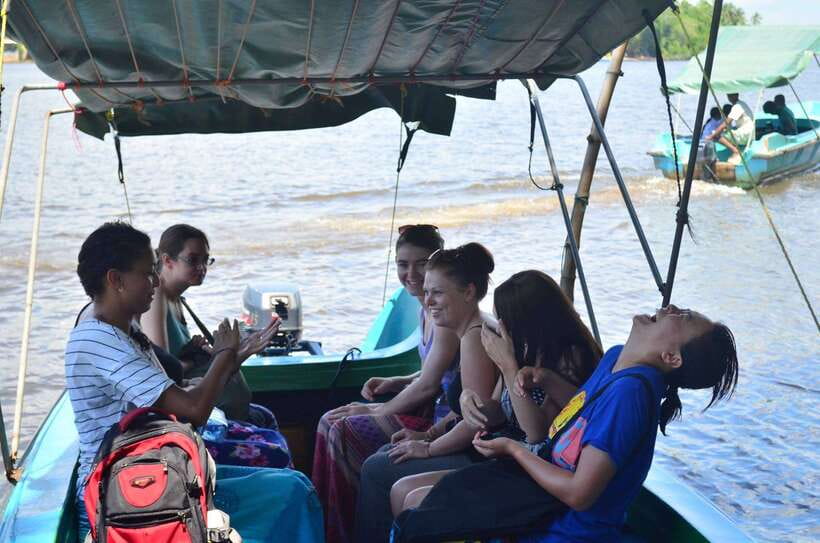
Bentota River is at its best when the boat slips away from the bridge and into the mangrove channels. Your guide scans the banks for crocodiles, water monitors, monkeys, and birds, while the boat moves slowly through a quieter side of Sri Lanka’s southwest coast. The river also opens toward the Bentota Moya Kata Delta, where the views stretch beyond the narrow forest.
I like two things here: the small private group, which lets you stop when something catches your eye, and the guides’ sharp vision. Harindra, Sumal, Nihal, Sam, and several other captains are praised for spotting tiny animals that are easy to miss. The main drawback is that one recent trip lasted about 1 hour and 15 minutes instead of two hours, so you may want to confirm the timing when you book.
Key points
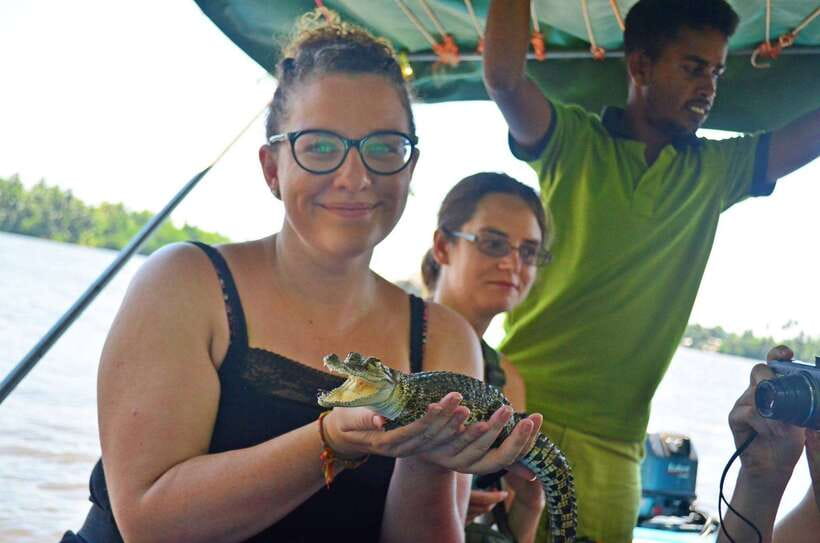
- Crocodiles are a real possibility: Guides often find baby crocodiles as well as larger animals resting near the riverbank.
- The guide makes the safari: Harindra, Sumal, Nihal, Sam, and other captains are known for finding hidden reptiles and birds.
- The mangrove route is the heart of the trip: The narrow channels offer a more peaceful setting than the open river.
- Fresh coconut and pineapple may be served: Several guides stop during the cruise for king coconut water and cut pineapple.
- Pickup covers a wide stretch of coast: Transport is available from Bentota, Aluthgama, Beruwala, Kosgoda, Kalutara, Wadduwa, and nearby towns.
- Bring sun protection: The boat can be hot, and a hat, water, and camera will make the two-hour ride more comfortable.
Setting out from Bentota Bridge
The safari begins near the Bentota Bridge, a useful landmark between Aluthgama and Bentota. If you choose hotel pickup, a car or tuk-tuk brings you to the river before the cruise. Pickup and return are offered in 12 areas, including Bentota, Induruwa, Ambalangoda, Kosgoda, Aluthgama, Beruwala, Kalutara, Wadduwa, Ahungalla, Maggona, Balapitiya, and Maha Induruwa.
That broad pickup area is a real plus if you are staying along the coast rather than directly in Bentota. The tradeoff is road time. A pickup from Wadduwa, for example, can take close to an hour before the boat ride begins, and traffic around Bentota can be slow. If you are staying farther away, allow extra time around the stated two-hour safari.
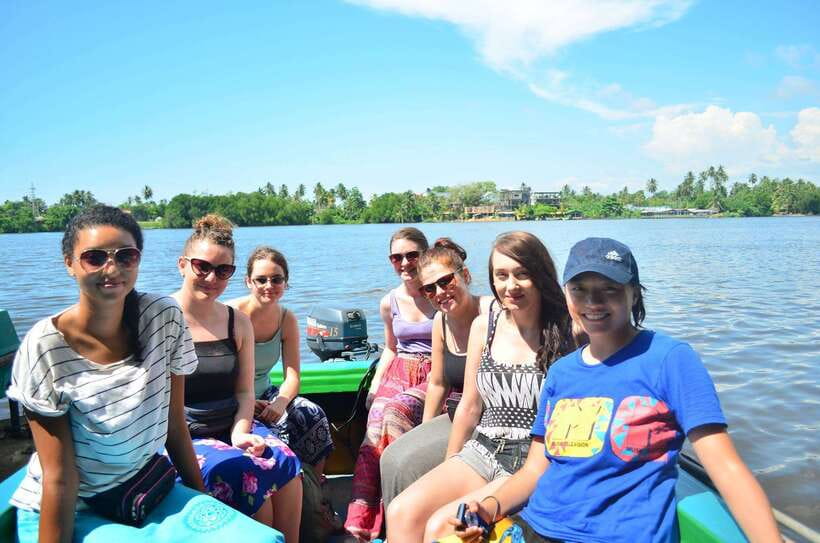
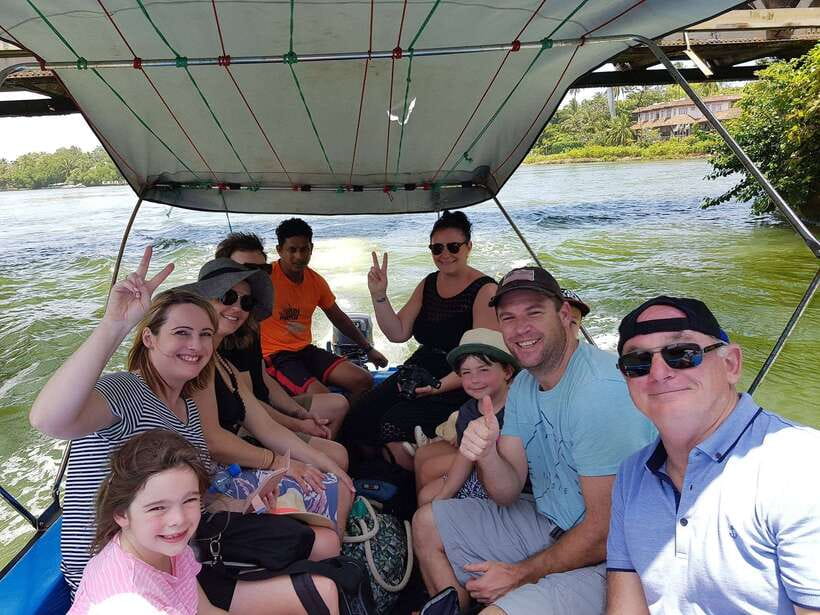
The boat is a small craft used for private groups. That matters more than it may sound. You are not trying to see over a crowd, and the captain can pause or angle the boat when an animal appears. It also makes it easier to ask questions about the river, local homes, plants, and birds along the banks.
The activity is conducted in English. The guides featured in the trips include Harindra, Harinda, Sumal, Sam, Nihal, Nehan, Hari, and other local captains. Names may vary, but the pattern is clear: the person driving the boat also acts as your wildlife guide.
More Boat Safaris around Sri Lanka:
- 2h Bentota River Safari: Crocodiles, Monkeys, Mangrove & more
★ 5.0 · 128 reviews - Bentota River Safari By BTM (Mangrove & Wildlife Encounter)
★ 5.0 · 108 reviews - Galle Private Day Tours with Sea Turtles visit & Boat Safari
★ 4.8 · 69 reviews
Cruising the open Bentota River
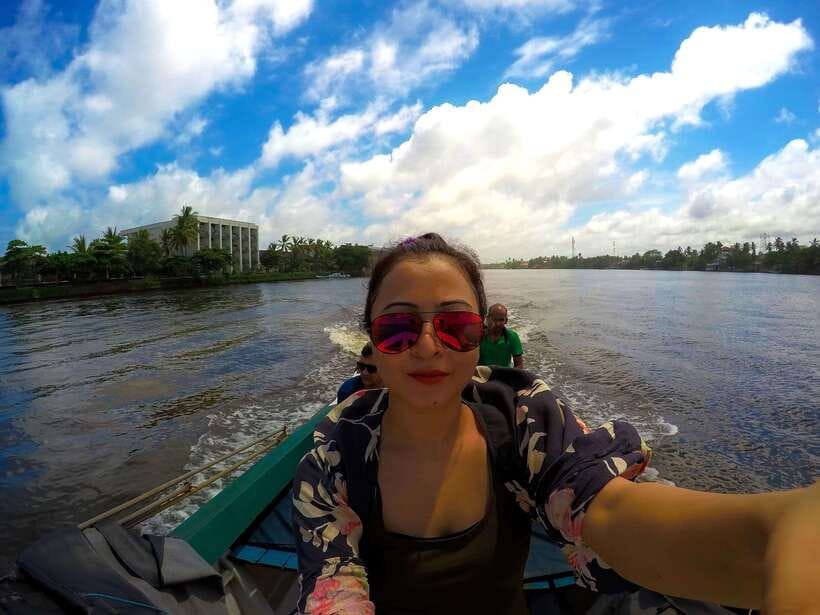
The first stretch gives you time to settle into the ride. Bentota River is described as Sri Lanka’s third-largest river, and its broad waterway gives you open views of the surrounding area. You may see houses, hotels, riverfront buildings, boats, and patches of greenery along the banks.
This is not a silent wilderness trip from start to finish. Human life remains close by, which is part of the appeal. Your guide may point out buildings and explain parts of the local area as the boat moves downstream toward the sea and into adjoining waterways.
The open sections are also useful for looking at larger animals. Water monitors often sit near the edge, while crocodiles can be difficult to spot until your guide points out a shape that looks like a log. Several trips have included baby crocodiles, and some have found larger crocodiles resting on rocks or at the water’s edge.
You should set your expectations sensibly. This is a wildlife search, not a guaranteed animal checklist. The guides’ skill improves your odds, but animals are free to hide. The strongest part of the experience is often the act of searching, with your captain quietly scanning branches, mudbanks, and floating vegetation.
Searching the mangrove channels
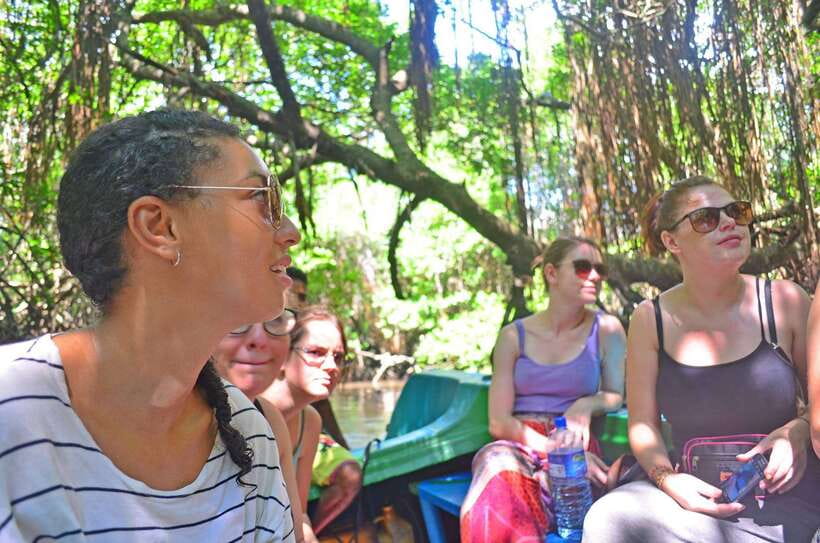
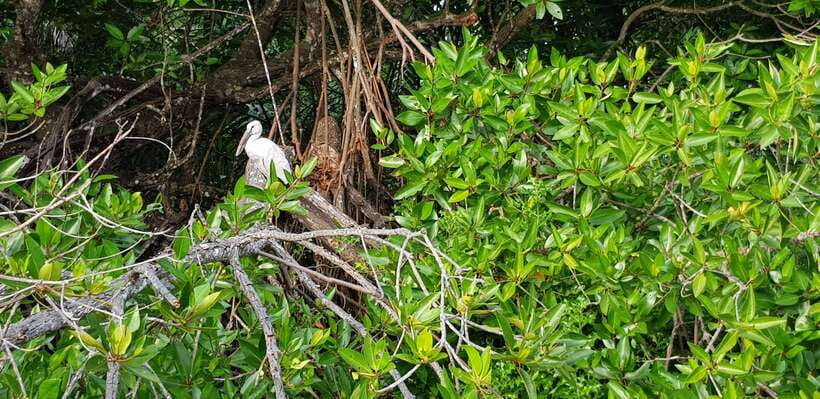
The mangrove section is where the safari feels most distinctive. The boat moves into narrower waterways lined with roots, branches, and thick plant growth. Water reflects the trees, and the speed drops as the captain looks for movement in the shade.
Mangroves matter here for more than their appearance. They create shelter for fish, reptiles, birds, and other animals, which explains why the guide keeps checking the edges rather than simply steering down the center. A chameleon or small gecko can disappear against a branch, while a water monitor may blend into the bank until it moves.
The wildlife list from this route is broad. You might see crocodiles, water monitors, chameleons, tree frogs, river snakes, fruit bats, monkeys, and several types of birds. Bird sightings have included kingfishers, cormorants, herons, bee-eaters, woodpeckers, owls, Brahminy kites, crested serpent eagles, and a white morph paradise flycatcher.
That range gives the trip appeal beyond crocodile spotting. If you enjoy birds, bring a camera with a useful zoom. If you only want large animals, the slower search may test your patience at times, though guides often make the effort to show you small creatures that you would otherwise pass without noticing.
Some past trips included grey-faced langurs, bear monkeys, and fruit bats. The monkey encounters can be memorable, but feeding wild animals is not something I would treat as a central promise of the tour. The activity information and trip accounts describe monkey feeding, yet animal interactions should be handled with care and according to the guide’s instructions.
Why the guide matters so much
The boat ride is pleasant on its own, but the guide determines how much you see. A person with a trained eye can pick out a crocodile under branches or a bird high in a tree long before you do. Several guides are also praised for stopping long enough for photos instead of rushing past.
Harindra is repeatedly singled out for his eye for animals, friendly manner, and help with photos. Sumal is described as both a capable helmsman and a patient guide who explains animals, plants, local culture, and history. Nihal is noted for good English and for identifying wildlife along the mangrove route.
You may be paired with another captain, but the service appears to follow the same local style: the guide drives, watches the banks, answers questions, and adjusts the pace around sightings. That personal attention is one reason the private format offers better value than a large shared boat, even if the $20 price feels high when you are traveling alone.
Photos are another practical benefit. Some guides take pictures and videos for you, which is useful when both hands are busy or when you do not want to miss an animal while reaching for your phone. Still, bring your own camera or phone, since photography help is an added courtesy rather than a separate guaranteed service.
More safaris around Sri Lanka:
- Udawalawe National Park | Private Safari Tour
★ 5.0 · 1,499 reviews - From Colombo: Sigiriya and Dambulla Day Trip with Safari
★ 4.7 · 842 reviews - Yala National Park Safari Tours: Morning/Evening/Full Day
★ 4.8 · 818 reviews - Udawalawe National Park: Elephant Safari with Expert Guide
★ 4.9 · 641 reviews
The Bentota Moya Kata Delta views
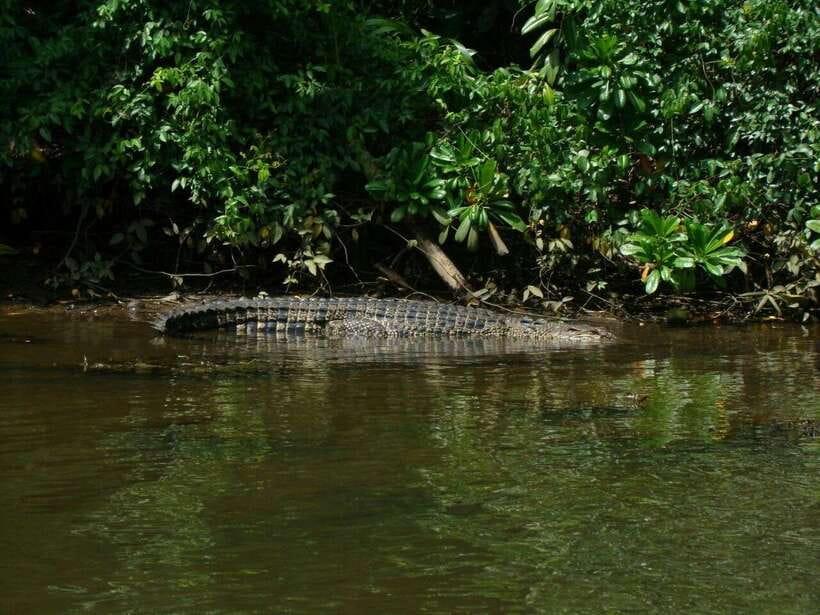
The trip is not confined to dark mangrove corridors. The boat also reaches wider sections near the Bentota Moya Kata Delta, where river and sea meet. These open views give the safari a welcome change of pace and help you understand the shape of the water system.
The delta is a good place to look back toward the riverbanks and see how the mangroves fit into the larger setting. The scenery is more about water, vegetation, and distant buildings than about grand viewpoints. You come here for a close look at a working river ecosystem, not a formal sightseeing platform.
The route may include the adjoining small river and a run toward the sea before returning. Exact movements can vary with water conditions and the captain’s decisions. If you are hoping for a particular channel, ask your guide at the start, but allow room for the wildlife search to shape the route.
Coconut water, pineapple, and a welcome pause
Several guides offer king coconut water and fresh pineapple during the ride. In some cases, the guide cuts the fruit during a stop in or near the mangroves. It is a simple touch, but it fits the setting far better than a packaged snack.
The food and drinks are not included as a formal part of the price, so do not book the safari expecting a full meal. The fruit and coconut are best treated as a likely local courtesy, not a substitute for breakfast or lunch.
You should bring your own drinking water, especially on a sunny morning or afternoon. The boat has little shade in some sections, and the heat can build quickly. A hat, sunscreen, light clothing, and sunglasses are sensible. Keep electronics protected from splashes, even on a calm ride.
How the $20 price works for you
At $20 per person, the safari is good value for two people or a small private group. The price includes the two-hour river trip, taxes, fees, and handling charges. Pickup and drop-off are also available when you select one of the covered hotel areas.
For a solo visitor, the cost may feel less attractive because the same private-boat setup is being used by only one person. One solo participant described the trip as pricey for that reason, even while enjoying the guide and animal sightings.
The value comes from the combination of transport, a private boat, and a guide who actively searches for wildlife. A cheaper walk-up boat might be available in Bentota, but this booking gives you arranged transport, a set experience, and a way to reserve ahead. The 4.9 rating from 182 reviews and the 96 percent perfect transport score suggest a strong service record, though they do not remove the need to check the start time and pickup details.
Free cancellation is available up to 24 hours before the activity for a full refund. You can also reserve and pay later, which helps if your coastal plans are still shifting. Wheelchair users should note that this activity is not suitable for them.
Timing, comfort, and the two-hour promise
The listed duration is two hours on the river. Most of the detailed trip accounts describe a full two-hour outing, but one recent account says the ride lasted about 1 hour and 15 minutes. I would confirm the expected length with the operator, especially if you are arranging another activity afterward.
Morning departures can be a smart choice if you prefer cooler air and active wildlife. An evening or afternoon trip can still be peaceful, and one booking was specifically recommended for sunrise. Since available starting times depend on the date, check the schedule before committing to transport or meals.
The ride is not a demanding physical activity, but the heat and boat movement may bother some people. There is no wheelchair access, and the trip may not suit anyone who needs a fully stable, step-free setting. Families can enjoy the animal search, though young children should stay close to adults around the boat and river edge.
What you are most likely to remember
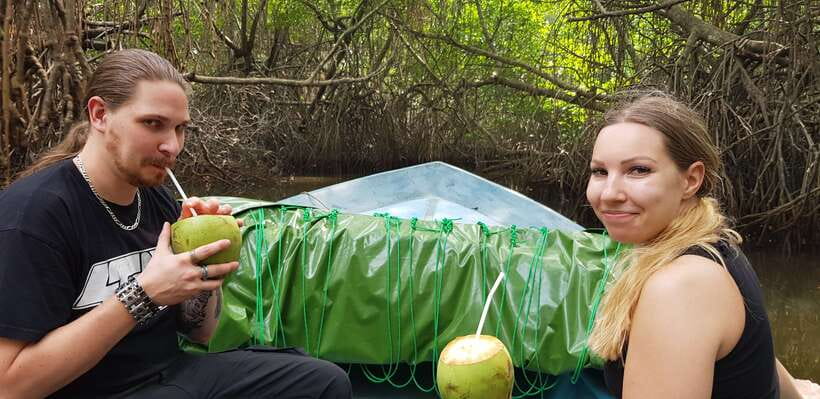
The strongest moments are usually small and sudden: a crocodile’s eyes near the bank, a water monitor slipping into the brush, or a kingfisher flashing across the water. A good guide turns these moments into a shared search rather than simply pointing at a fixed attraction.
The most unusual sightings can include a white morph paradise flycatcher, fruit bats, chameleons, river snakes, and grey-faced langurs. The safari also gives you a close look at plants and mangrove habitats, which helps explain why the river supports so many different animals.
I also like the human scale of the trip. Your captain may tell you about local homes, hotels, fruit, plants, and the river’s shape while steering through the channels. That makes this more than a quick crocodile hunt, even though crocodiles remain the main draw for many people.
Should you book the Bentota River Safari?
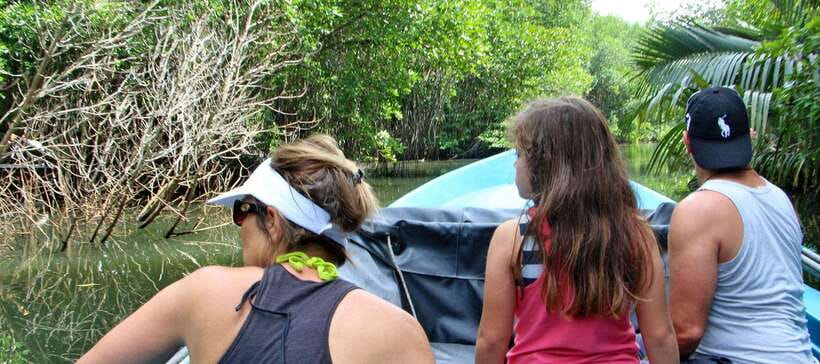
Book it if you want a relaxed nature outing with a strong chance of seeing reptiles and birds, and if you value a local guide who can spot what you would miss. It is especially suited to couples, families, photographers, and anyone staying in Bentota or along the nearby coast.
I would be more cautious if you need a guaranteed two-hour schedule, have mobility limits, or dislike heat and open boats. Solo visitors should weigh the $20 cost more carefully, but couples and small groups get a fair package with private transport, guiding, and the chance to see crocodiles, monkeys, water monitors, bats, and many birds in one short outing.
Bring water, sun protection, and patience. If Harindra, Sumal, Nihal, or another experienced captain is guiding your boat, let the search take its time. That quiet pause beside a mangrove bank is often where the best sighting happens.
FAQ
How long is the Bentota River Safari?
The advertised river safari lasts two hours. One recent booking reported a shorter ride of about 1 hour and 15 minutes, so confirm the expected duration when booking.
What animals can I see?
Possible sightings include crocodiles, water monitors, monkeys, chameleons, tree frogs, snakes, fruit bats, and many birds. Reported bird species include kingfishers, cormorants, herons, bee-eaters, woodpeckers, owls, Brahminy kites, crested serpent eagles, and paradise flycatchers.
Is hotel pickup included?
Pickup and drop-off are available from selected hotels in Bentota, Induruwa, Ambalangoda, Kosgoda, Aluthgama, Beruwala, Kalutara, Wadduwa, Ahungalla, Maggona, Balapitiya, and Maha Induruwa. You need to select the correct pickup area when booking.
Is the tour private?
Yes. The activity is offered for a private group, with an English-speaking live guide.
Are food and drinks included?
Food and drinks are not formally included. Several guides have provided king coconut water and fresh pineapple during the ride, but you should bring your own drinking water.
Can wheelchair users join the safari?
No. The activity is listed as unsuitable for wheelchair users.
New safaris around Sri Lanka
- Tangalle: Safari Day Trip to Yala & Udawalawe w/ Picnic★ 4.3 · 16 reviews
- Tangalle/Hiriketiya: Yala National Park Safari in a 4×4★ 4.9 · 22 reviews
- Tangalle/Hiriketiya/Mirissa: Shuttle to Ella and Yala Safari★ 4.8 · 95 reviews
- Tangalle/Hiriketiya: Udawalawa Safari & Elephant Orphanage★ 4.8 · 11 reviews
- Wasgamuwa: Wasgamuwa National Park Private 3-Hour Safari★ 4.9 · 10 reviews
- Sigiriya Lion Rock Hike & Minneriya National Park Safari★ 4.8 · 55 reviews
- Sigiriya Rock Hike & Minneriya Elephant Safari – Day Tour★ 4.3 · 15 reviews
- Colombo/Negombo to Sigiriya, Dambulla & Jeep Safari Day Tour★ 4.6 · 41 reviews
Bentota Safaris: how they compare.
2h Bentota River Safari: Crocodiles, Monkeys, Mangrove & more
Read our review →
Udawalawe Safari DayTrip frm Bentota/Kalutara/Ahungalla/Hikkaduwa
Read our review →
Galle Day Trip with River Safari, Sea Turtle & Stilt Fishermen
Read our review →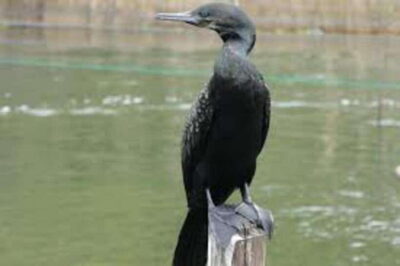
Other lists this safari sits on