
Review · DAY SAFARIS
Iquitos: Full Day Tour in the Jungle | Amazon Safari
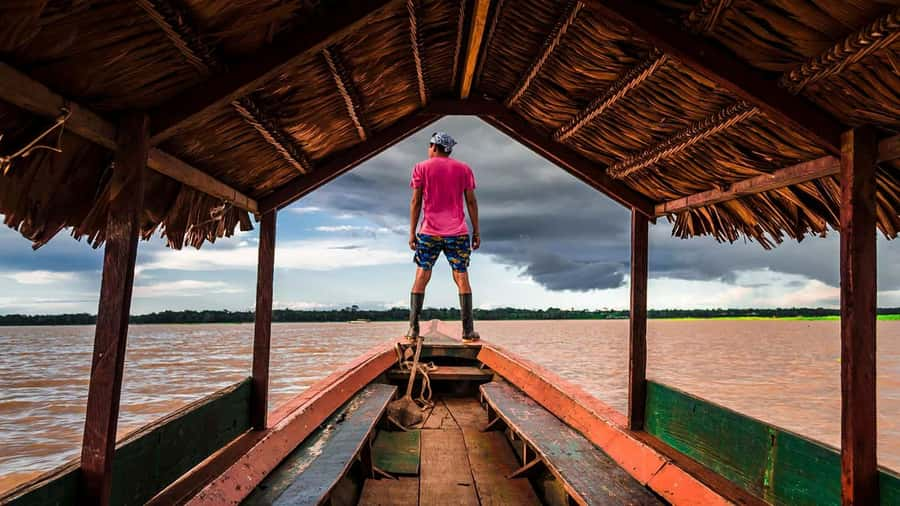
The most memorable part of this Amazon day tour is the river itself. You travel by traditional boat from Bella Vista Nanay, pass the meeting point of the Nanay and Amazon rivers, and watch for gray and pink dolphins. The Kukama visit adds a human side to the trip, with music, dancing, plant knowledge, and stories tied to the forest.
I like the mix of river scenery and cultural stops, and I like that lunch, hotel or airport pickup, and the main excursions are included for $89. Guide Alan has received especially warm praise for his energy and care. The main caution is that this is a busy, packaged day, not a quiet wildlife expedition. Large groups, a slow lunch, limited animal activity, and a sometimes thin explanation at several stops can affect the value.
Key points to know before booking
- The river ride is the main event: Expect broad Amazon views, a traditional boat, and the Nanay-Amazon confluence.
- Dolphin sightings are part of the route: You will look for both gray and pink dolphins, but no sighting can be guaranteed.
- The Kukama visit is the strongest cultural stop: You will meet community members, dance, and hear about plants, medicine, customs, and stories.
- Monkey Island can be modest: The number of monkeys may be small, and the visit includes feeding and photos.
- The rescue center is not a free-range wildlife outing: Animals are kept in cages while they receive care before possible release.
- Allow extra patience for the schedule: A group of about 50 people, boat changes, and a long lunch can make the eight-hour day feel longer.
Starting at Bella Vista Nanay
Your day begins with pickup in Iquitos, either at your hotel or at the airport, followed by a short transfer to the Bella Vista Nanay tourist pier. The stated road transfer is about 15 minutes, but the full timing depends on pickup arrangements and how quickly the group boards.
At the pier, you join a traditional wooden boat heading toward the lodge. The boats are described as safe and comfortable, but comfort is basic. One account describes wooden benches without padding, and another mentions changing boats twice. If you have a sensitive back, bring a small cushion or folded layer of clothing.
Group size matters here. A boat carrying around 50 people can feel tight, and boarding, disembarking, and gathering everyone at each stop take time. You get a social, organized outing, but not the quiet mood of a private skiff. Sit where you can see the river and keep your hat secure, since the ride is a major part of the day.
More Day Safaris in the world:
- From Zanzibar: Mikumi Safari Day Trip with Flights and Meal
★ 4.7 · 1,470 reviews - Full-Day Land Rover Safari from Heraklion with Lunch
★ 5.0 · 1,351 reviews - Punta Cana: Monkey Land Half-Day Safari and Plantation
★ 4.6 · 1,205 reviews
Seeing the Nanay and Amazon rivers meet
The route includes the confluence of the Nanay and Amazon rivers. This is less about a formal attraction and more about understanding the scale of the waterways around Iquitos. From the boat, you see the river widen and the forest stretch along the banks.
I would treat this section as a scenic introduction rather than a guided geography lesson. The quality of explanation can depend on your guide. Some guides provide useful context, while others have been described as giving only brief information about the market, rivers, and surrounding area.
The broad river views are one of the most dependable pleasures of the tour. Even if a later animal stop is quiet, the boat ride still gives you a sense of how much daily life in this part of Peru depends on water access.
Watching for gray and pink dolphins
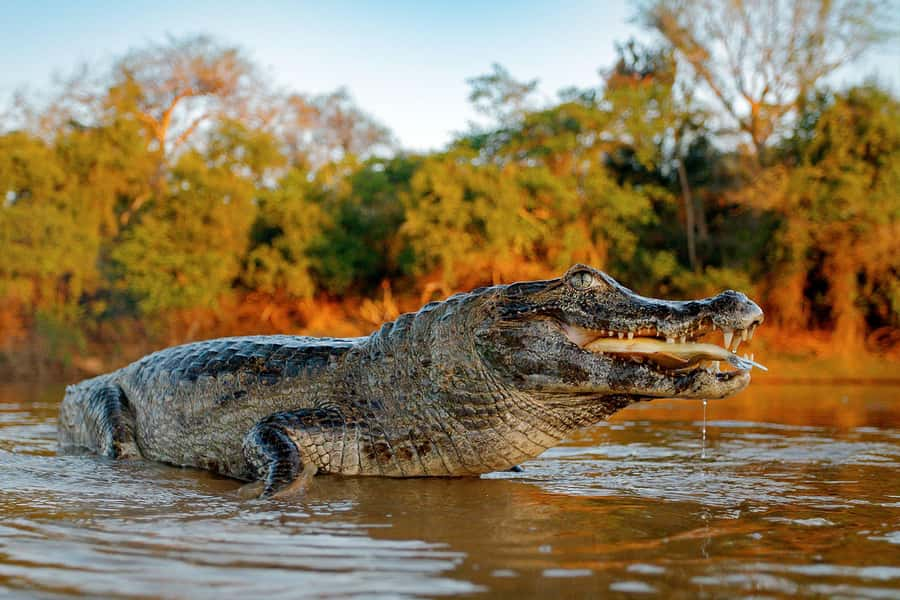
Dolphin watching takes place along the river as you travel. The trip looks for gray and pink dolphins, two of the Amazon’s best-known river animals. You may see them surfacing near the boat, but sightings are naturally unpredictable. The tour does not promise a guaranteed encounter, so keep your expectations sensible.
The boat ride is especially rewarding when you see dolphins in open water rather than in a controlled setting. Bring sunglasses and a hat, and keep your camera ready, but do not spend the whole ride staring through a screen. A sighting may last only a moment.
The dolphin portion has been one of the most praised parts of the outing, along with the river scenery. It is also a good reason to choose a river tour over a land-based Iquitos excursion. Just remember that wildlife does not follow a timetable.
Meeting the Kukama community
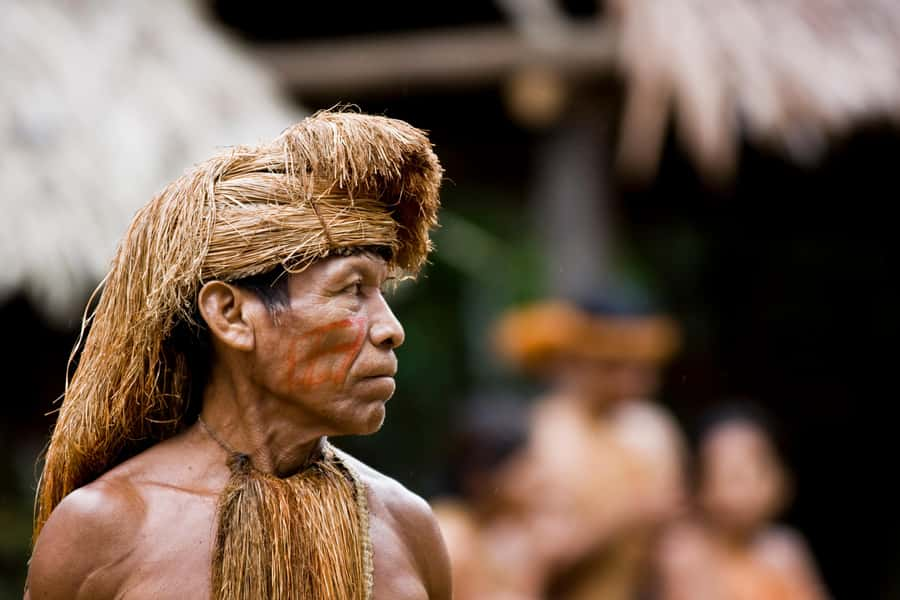
The visit to the Kukama community gives the day its clearest cultural focus. The Kukama are presented as guardians of local biodiversity, with plant knowledge and natural medicine shaped by life in the forest. You can expect dancing and an introduction to traditions, stories, and the community’s relationship with nature.
This stop can be meaningful when the guide explains more than the performance itself. Ask about the plants, the community’s history, and how traditional knowledge is used today. The depth of the visit appears to vary. Some guests have found the community stop to be the high point, while others felt the explanation of customs and daily life was too short.
There is also an ethical point to consider. The stop is arranged for visitors, and the presence of children working around the presentation has raised concerns. I would approach the visit respectfully, avoid treating people as photo props, and follow the guide’s instructions about pictures and purchases.
The cultural visit is most valuable when you listen rather than simply watch the dancing. You are not getting a full anthropological study in one afternoon, but you can gain a useful glimpse of Kukama traditions if the guide takes time to explain them.
More full days out around the world:
- From Playa de las Américas: Full-Day Teide Jeep Safari
★ 4.7 · 1,056 reviews - Full-Day Jeep Safari West: Fanal, Porto Moniz, Seixal, Cabo Girão
★ 5.0 · 940 reviews - Addo Elephant National Park All Inclusive Full-Day Safari
★ 4.8 · 872 reviews - Georgioupolis Full-Day Land Rover Safari Experience
★ 4.9 · 855 reviews
Monkey Island at Neyser
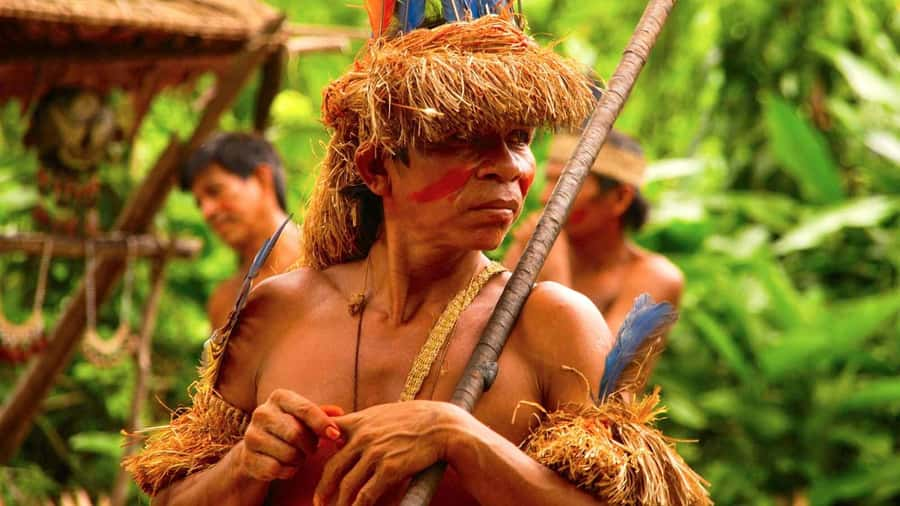
After continuing along the Amazon, the boat enters a creek for the Monkey Island visit at Neyser. The stated idea is to see monkeys in a more natural setting, feed them, play with them, and take photos.
This is the stop where expectations need the most adjustment. Animal numbers can be low. One account saw only about three monkeys, while another described roughly six, along with small monkeys and an anteater. You might have a lively encounter, but you might also spend time waiting for animals that are not close by.
The feeding element also deserves thought. The visit is promoted as contact with animals in their natural environment, yet asking visitors to buy fruit and feed monkeys can feel more like an arranged animal encounter than a wild observation. The experience may appeal to families and anyone who wants close views, but it is not the same as tracking wildlife through untouched forest.
Ask what the site does for the animals and how it differs from the rescue center. Clear answers help you understand whether Monkey Island functions as a rescue project, a managed habitat, or mainly a visitor stop. The supplied information does not provide enough detail to settle that question.
The wildlife rescue center
The next stop is Fundo Rony, described as a wildlife rescue center. Animals may include sloths, monkeys, macaws, toucans, boa constrictors, and turtles. They are kept in cages because they are receiving care before release back into the wild.
This visit can help you see Amazon animals at close range, especially if you have not had luck spotting them in the forest. It also raises questions about rehabilitation. Look for an explanation of where the animals came from, what treatment they receive, and how release decisions are made.
The quality of the stop is not guaranteed by the animal list. One visit found the center affected by flooding, with little to see. Another account felt the guide did not explain the animals’ backgrounds or the release process. If the center is operating normally, it can be worthwhile. If water or conditions limit access, it may become a short and disappointing stop.
I would keep your expectations humane and practical. Caged animals are not a sign of a successful wildlife outing by themselves. The value comes from learning why they are there and what happens next. Do not expect the same feeling as seeing a sloth or macaw free in the forest.
Amazonian drinks and natural medicine
The Amazonian trapiche is one of the more distinctive parts of the program. You taste traditional macerated drinks including camu camu, seven roots, and ginger. The presentation connects local ingredients with traditional health uses, such as vitamin C from camu camu, digestive support from ginger, and vitality associated with seven roots.
This has been described as one of the best-explained stops. It gives you something more specific than a generic souvenir presentation because the flavors and plant uses are part of Amazonian food and medicine traditions.
Still, expect a tasting and sales-oriented presentation rather than a medical consultation. Claims about health benefits should be treated as traditional uses, not medical advice. The stop may also include an opportunity to buy local products, which is fine if you are interested, but it should not replace clear information about the plants.
If you enjoy food traditions and herbal products, this could be your favorite stop. Ginger is familiar, while camu camu and seven roots offer a more local taste. Bring water for the day, since the included meals do not cover every drink or personal snack.
Lunch at the lodge
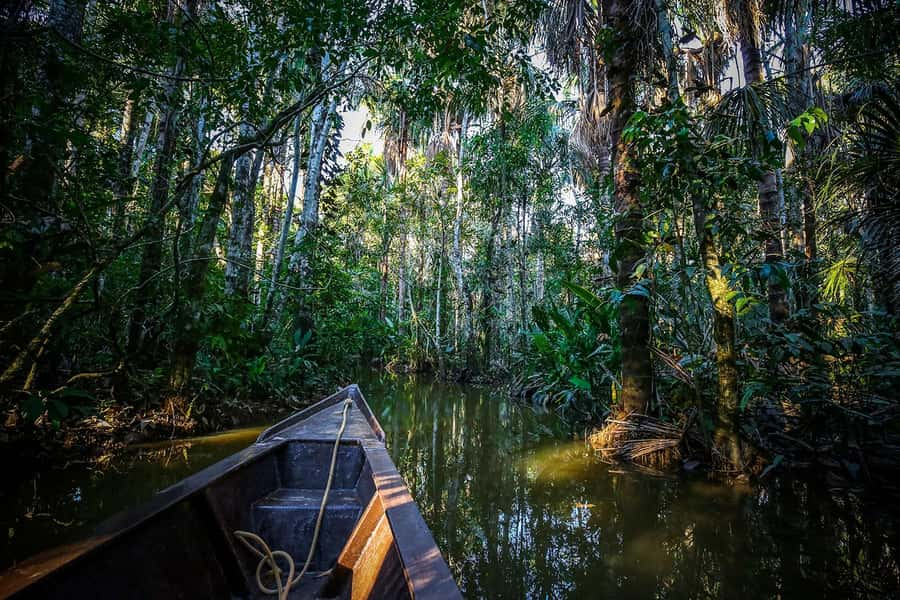
The boat continues to the lodge for a buffet lunch featuring typical jungle cuisine. Vegetarian food is available if you request it ahead of time. This is useful, since the meal is included but dietary arrangements are not something you should leave until the last minute.
Lunch is also where the schedule can lose momentum. A long stop has made the day feel inefficient for some visitors, especially when the afternoon offers no substantial jungle walk. After eating, you have time to relax, look around the camp, or use the pool before returning by boat.
That pause can be pleasant if you want an easy day on the river. It can feel like wasted time if your priority is wildlife or walking. The program is better understood as a river excursion with a lodge meal than as a full jungle trekking day.
Do not expect an afternoon hike based on the stated schedule. After lunch, the group rests and then returns to Iquitos. This is an important distinction for anyone comparing the trip with a lodge stay or a multi-day Amazon program.
Returning to Iquitos
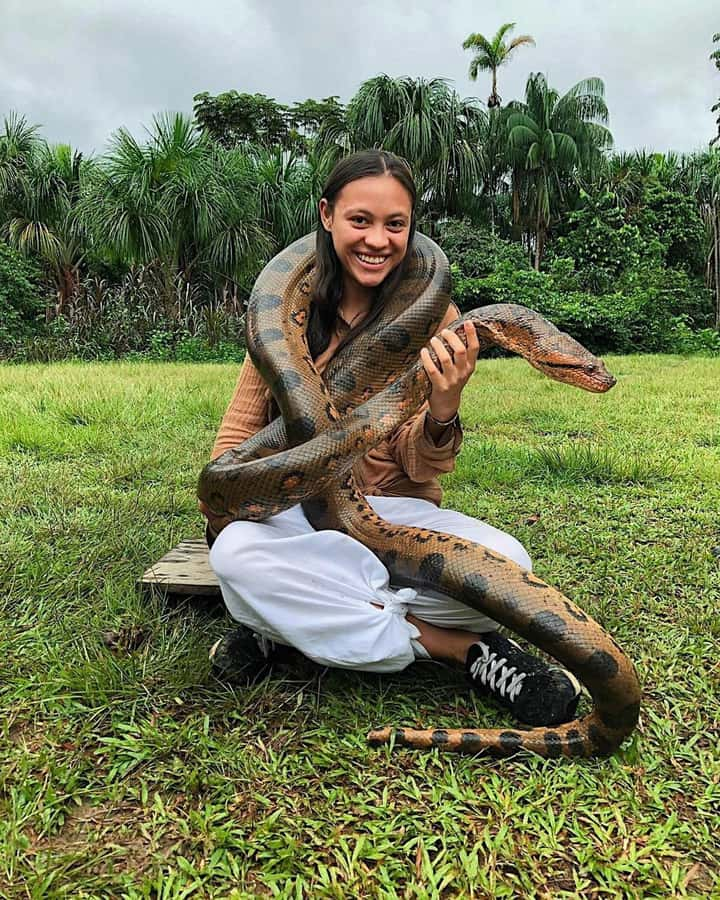
The return boat takes you back to the Nanay pier, followed by the short road transfer into Iquitos. The stated finish is at Plaza de Armas de Iquitos, although pickup and return arrangements should be confirmed by WhatsApp or email the day before.
The provider sends excursion details in advance, which is helpful because the exact meeting instructions may matter at a busy pier. Pickup is included from an Iquitos hotel or the airport, but transfer back to the airport is not included. Extra bar drinks, flights, personal snacks, and personal water are also outside the price.
Bring long trousers, a long-sleeved shirt, insect repellent, sunscreen, a sun hat, sunglasses, and sportswear. These are simple items, but they matter on a long day with sun, insects, and open-boat travel.
What $89 really buys you
At $89 per person, the package offers a lot of transport and several stops in one day. Pickup, the boat journey, lunch, the listed excursions, and bilingual guiding are included. For someone with only one free day in Iquitos, that convenience has real value.
The tradeoff is depth. You are paying to move between several attractions, not to spend hours quietly watching wildlife. A large group can reduce personal attention, and boat changes or slow meals can make the program feel less efficient.
The price is easier to justify if you value variety: dolphins, a community visit, monkeys, rescued animals, drinks, and a lodge meal. It is harder to justify if your main goal is free wildlife, detailed cultural interpretation, or an afternoon forest walk.
The guide can change the entire feel of the day. Alan has been singled out for making the experience exceptional. Since other accounts describe limited information, I would ask at booking whether an English-speaking guide will lead your group and how much explanation is planned at each stop.
Who should book this Amazon day tour?
I would recommend it to you if you have one day in Iquitos and want a broad introduction without arranging transport, food, and a boat separately. Families and first-time visitors may like the range of stops and the chance to see animals at close range.
It also suits you if the Amazon River itself is your main priority. The dolphin watching and long boat ride provide the most reliable sense of place, and the Kukama visit can add real value when handled with care.
I would hesitate if you want a quiet, small-group trip or serious wildlife observation. You may find the boat crowded, the animal stops brief, and the explanations too thin. A multi-day lodge stay would be a better fit for forest walks and more time in the wild, but this eight-hour option is the practical choice for a tightly planned visit.
At the time of booking, confirm the start time, boat arrangement, guide language, vegetarian meal, and return point. Cancellation is free up to 24 hours in advance, and you can reserve without paying immediately, which helps if your Iquitos plans are still shifting.
FAQ
How long does the Amazon tour last?
The experience lasts about eight hours, including transport, boat travel, visits, lunch, and the return to Iquitos.
Where does pickup take place?
Pickup is available from your hotel or the airport in Iquitos. The tour then transfers you to the Bella Vista Nanay tourist pier.
Which languages are available?
Live guiding is available in Spanish and English.
Are meals included?
Lunch at the lodge is included as a buffet with typical jungle cuisine. You should request a vegetarian option in advance if needed.
Can I see pink dolphins?
The route includes dolphin watching for gray or pink dolphins. Sightings are part of the program, but the information provided does not guarantee that dolphins will appear.
Is there a jungle walk after lunch?
The stated afternoon plan is to relax, explore the camp surroundings, or use the pool before returning by boat. A dedicated afternoon jungle walk is not included.
What should I bring?
Bring sunglasses, a sun hat, sunscreen, a long-sleeved shirt, insect repellent, long pants, and sportswear. Personal snacks and water are not included.
Is airport transportation included after the tour?
Pickup from the airport is included, but transfer back to the airport is not included. Flights are also not part of the tour price.
New safaris around the world
- Agadir Quad Bike Safari Desert Sunset★ 5.0 · 29 reviews
- Safari Camel Ride in Banana Beach from Agadir★ 5.0 · 10 reviews
- Agadir Buggy safari / off road Experience Half Day | Adventure & Connections ®★ 4.5 · 65 reviews
- Agadir Buggy Safari Adventure★ 5.0 · 93 reviews
- Full-Day Safari Small Desert With Lunch★ 4.5 · 224 reviews
- Agadir Jeep safari 4×4 Desert Adventures with Lunch★ 5.0 · 365 reviews
- Agadir National Park & 4×4 Jeep Desert Safari Tour with Lunch★ 4.5 · 30 reviews
- Jeep safari 4×4 mini sahara desert with Berber Lunch★ 5.0 · 130 reviews
Day Safaris: how they compare.

Mikumi Safari Day Trip with Flights and Meal
Read our review →
Full-Day Land Rover Safari from Heraklion with Lunch
Read our review →
Punta Cana: Monkey Land Half-Day Safari and Plantation
Read our review →
From Playa de las Américas: Full-Day Teide Jeep Safari
Read our review →
Full-Day Jeep Safari West: Fanal, Porto Moniz, Seixal, Cabo Girão
Read our review →
Addo Elephant National Park All Inclusive Full-Day Safari
Read our review →
Georgioupolis Full-Day Land Rover Safari Experience
Read our review →
Other lists this safari sits on